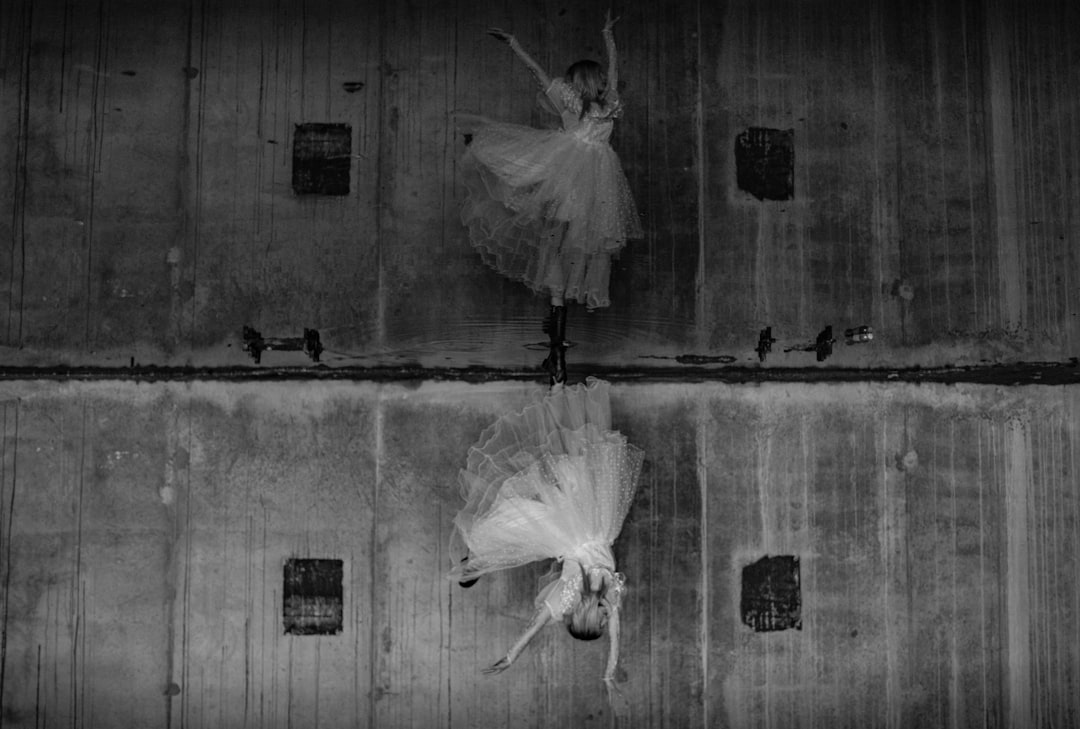
The third arabesque of Act II, and your leotard is already saturated. Sweat pools at your lower back, the fabric clings to your shoulder blades, and suddenly you're not thinking about extension or port de bras—you're thinking about how badly you want to tear this thing off. By the final curtain, you're depleted in ways that have nothing to do with choreography.
This scenario plays out in studios and theaters daily, and it reveals a truth many dancers learn too late: the wrong fabric doesn't just cause discomfort. It actively undermines the physiological conditions your body needs to perform.
What Actually Happens When You Dance in the Wrong Gear
Dance generates extraordinary metabolic heat. A 90-minute contemporary rehearsal can elevate core body temperature to 101°F or higher—approaching the threshold for heat stress. Your body responds with sweat, up to 1.5 liters per hour during intense movement. The critical question becomes: where does that moisture go?
Non-breathable fabrics trap sweat against your skin, creating a microenvironment of escalating humidity. The consequences cascade quickly:
- Thermoregulatory failure: Evaporative cooling—the body's primary heat-dissipation mechanism—shuts down when humidity at the skin surface reaches 100%
- Cardiovascular strain: Your heart works harder to pump blood to the skin for cooling that isn't happening, reducing oxygen delivery to working muscles
- Cognitive degradation: Core temperature rises of just 1.8°F impair decision-making and spatial awareness—dangerous when executing complex sequences
- Proprioceptive decline: Wet, clingy fabric alters sensory feedback from skin receptors, subtly disrupting balance and coordination
Research from the Gatorade Sports Science Institute demonstrates that even mild dehydration and overheating reduce muscular endurance by 15-20%. For a dancer, that's the difference between a clean final run and a compromised one.
Breathability, Wicking, Ventilation: Three Distinct Weapons
Dancewear marketing often conflates these terms. Understanding the distinction helps you build a smarter wardrobe.
Breathability refers to air permeability—how easily air moves through the fabric structure itself. Measured in cubic feet per minute (CFM), it determines whether fresh air reaches your skin and heated air escapes.
Moisture-wicking is capillary action: synthetic fibers (polyester, nylon) or specially treated natural fibers transport liquid sweat from skin to fabric's outer surface. Crucially, wicking doesn't accelerate evaporation—it enables it by exposing moisture to air.
Ventilation involves strategic engineering: mesh panels, cutouts, or garment architecture that creates airflow channels. A breathable fabric in a poorly designed garment still traps heat; ventilation ensures air actually moves.
The best dancewear combines all three. A mesh-paneled leotard in moisture-wicking fabric with articulated seam placement that doesn't compress at the thorax? That's thermoregulatory architecture.
Fabric Intelligence: Beyond "Synthetic Good, Cotton Bad"
The "avoid cotton" rule is correct but incomplete. Cotton absorbs up to 7% of its weight in moisture without feeling damp—initially comfortable—then retains it, becoming heavy and conductive to heat loss during cooldown. But not all synthetics perform equally, and some naturals deserve reconsideration.
| Fabric | Best For | Limitations |
|---|---|---|
| Polyester/spandex blends | High-intensity, short-duration classes | Can retain odor; wash frequently |
| Nylon/spandex | Long rehearsals, repeated wear | Slightly less wicking than polyester; superior durability |
| Merino wool blends | Cool studios, odor-sensitive dancers | Slower drying; premium price point |
| Bamboo viscose | Sensitive skin, sustainability priorities | Variable quality; verify certification |
| Tencel/lyocell | Moderate activity, luxurious handfeel | Limited stretch recovery; blend with elastane |
Avoid 100% cotton for performance. Avoid 100% polyester without elastane—it won't recover from stretch, bagging at knees and seat within weeks.
Genre-Specific Considerations
Breathability requirements vary dramatically by dance form, yet most dancers apply one standard to all training.
Ballet presents unique challenges: the traditional aesthetic demands coverage that conflicts with cooling needs. Look for leotards with hidden mesh panels at the thoracic spine and underarm—high-sweat zones that remain concealed by port de bras. Convertible tights in performance knit rather than opaque cotton allow calf ventilation during barre without violating dress code.
Contemporary and modern permit more architectural experimentation. Asymmetrical cuts, open backs, and strategic negative space become ventilation tools. Layering systems matter here: a breathable base with removable pieces for fluctuating rehearsal temperatures.
Hip-hop and street styles often involve longest-duration sessions and highest ambient temperatures. Prioritize moisture-wicking head