The First Time I Saw a Roda
Someone did a backflip. Someone else swept the ground with a spinning kick. A third person cartwheeled out of the way like they'd been doing it since birth. And all of it happened to the rhythm of a one-stringed instrument I couldn't name yet.
That was my first roda — the circle where capoeira happens. I didn't understand the rules. I didn't understand the music. But my body understood something: this was different from anything I'd ever tried.
Capoeira doesn't fit neatly into a box. Call it a martial art and dancers will argue with you. Call it a dance and fighters will raise an eyebrow. Born from the ingenuity of enslaved Africans in colonial Brazil, it was designed to look like play while being anything but. That tension — between beauty and danger, between performance and survival — is exactly what makes it magnetic.
Your Body Will Thank You (Eventually)
Let's get the obvious part out of the way. Capoeira will wreck you. In the best sense.
The ginga — that constant swaying movement that's the foundation of everything — looks simple until you've done it for ten minutes straight. Add in esquivas, au (cartwheels), and the dozens of kicks that range from low sweeps to head-height crescent strikes, and you've got a workout that doesn't feel like one. You're too busy trying not to get kicked in the face to notice your legs are burning.
Over weeks and months, things shift. Your hips open up. Your shoulders stop complaining. Balance becomes second nature. I've seen people who couldn't touch their toes do meia lua de compasso within a year — that's the move where you drop one hand to the ground and swing both legs overhead in a massive arc. It's as wild as it sounds.
The Part Nobody Talks About
Here's what surprised me most: capoeira trains your brain harder than your body.
Inside the roda, you're reading your opponent's weight shifts, listening for tempo changes in the music, calculating distance, and deciding whether to attack or escape — all in the span of a single beat. There's no pausing to think. You react or you get caught.
That kind of pressure-cooker decision-making rewires how you handle stress outside the roda too. Meetings feel less intimidating. Crises feel more manageable. You've already practiced staying calm while someone fakes a kick at your head, so a tense email exchange doesn't quite rattle you the way it used to.
It's Not a Solo Sport
Capoeira without a community is just gymnastics with a soundtrack.
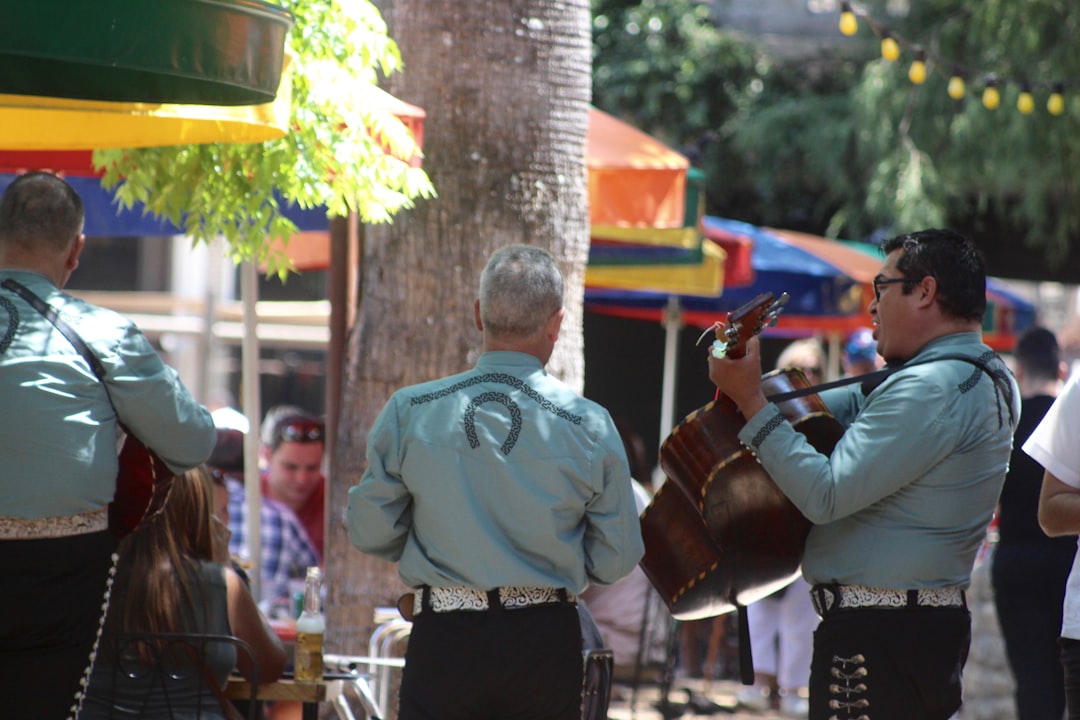
The roda is a conversation. Two players in the center, everyone else singing, clapping, playing instruments. The berimbau — that bow-shaped instrument — sets the speed and mood. Fast music means aggressive play. Slow, melodic music invites a more thoughtful exchange. The group shapes the energy of every game.
This is where capoeira gets under your skin. You start recognizing faces. You learn someone's tendencies — how Maria always feints left, how João favors tesoura when the music speeds up. You develop friendships built on mutual respect and the shared understanding that you're all doing something a little bit crazy.
Instructors carry decades of lineage in their movements. Every capoeira school (called an acadmia or grupo) connects back to specific mestres who shaped the art's evolution. When you train, you're stepping into a tradition that's survived slavery, police bans, and cultural erasure. That weight makes every roda feel like something bigger than exercise.
What You Actually Take Home
People ask me what capoeira gives them. The answer changes depending on who's asking.
For some, it's physical confidence — the knowledge that their body can do things they never imagined. For others, it's the music. Learning to play the berimbau or sing corridos in Portuguese opens a door to a culture most Western practitioners never expected to love. And for many, it's simply belonging — having a place where showing up consistently earns you respect and connection.
The "inner warrior" framing never sat right with me. Capoeira doesn't turn you into a warrior. It turns you into someone more comfortable with uncertainty. Someone who can move with a situation instead of freezing up. Someone who's learned, through hundreds of games in hundreds of rodas, that the smartest move is often the one that looks like play.
Step into a roda. Let the berimbau pull you in. You'll know within five minutes whether capoeira is yours — and if it is, it'll be yours for life.