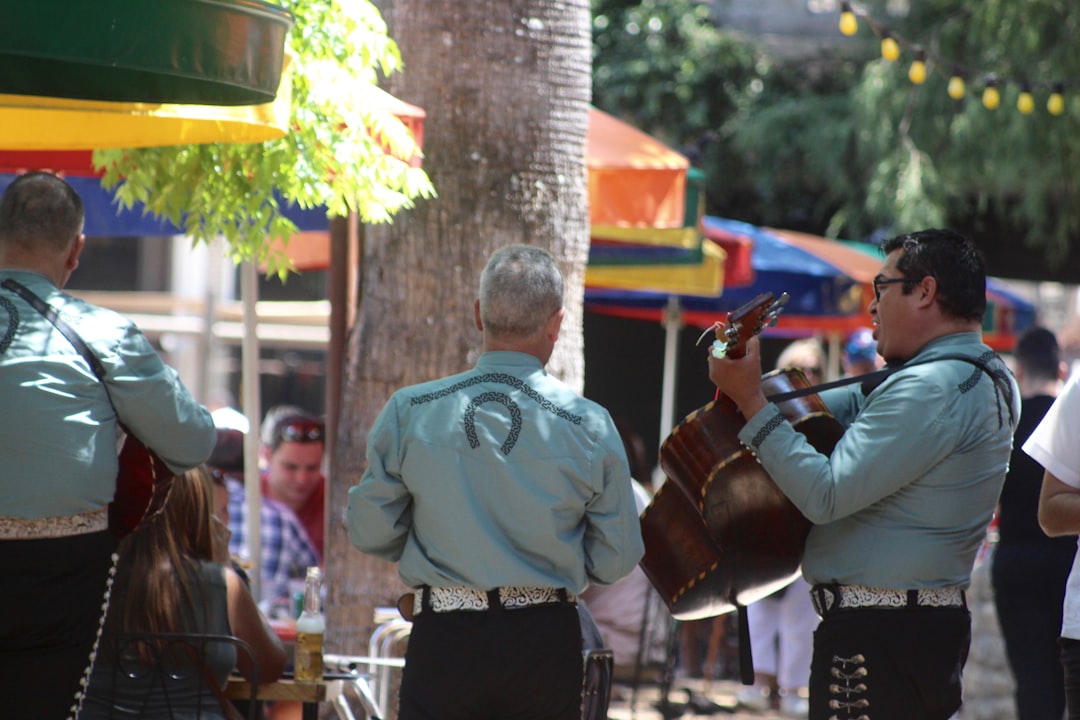
The first time I watched a roda, I couldn't tell if I was seeing a fight or a dance. Two people circled each other inside a ring of clapping hands, their bodies arcing and twisting in ways that looked impossible. One swept low with a rasteira while the other cartwheeled away like gravity was optional. A berimbau hummed underneath it all, steady and ancient, pulling the whole thing together like a heartbeat.
That confusion I felt? It's the whole point. Capoeira doesn't fit into a neat box. It's martial arts, sure, but it's also music, improvisation, storytelling, and community rolled into one. Born in 17th-century Brazil among enslaved Africans who needed to disguise fighting as dance, capoeira carries that duality in its DNA. Every movement has a purpose. Every game tells a story.
Getting Your Body to Listen
Forget everything you think you know about "warm-ups." In capoeira, warm-ups look like the actual thing — you'll be swinging your arms, dropping into squats, and practicing the ginga before you even realize class has started.
The ginga is the heartbeat of capoeira. It's that swaying, back-and-forth motion that looks deceptively simple until you try to hold it for three minutes straight. Your legs burn. Your coordination slips. And that's before anyone adds kicks.
Speaking of kicks — there are a lot of them. Meia lua de frente, armada, queixada. The names sound like poetry, and the movements feel like it too, once your body stops fighting you. You'll spend weeks just getting your roundhouse kick to look less like a confused windmill. That's normal.
Picking the Right School Matters More Than You Think
Not all capoeira schools teach the same thing. Capoeira Angola tends to be slower, more grounded, closer to the art's roots. Regional is flashier, more athletic. Contemporânea blends both. None is "better" — they're different flavors of the same spirit.
What does matter is the mestre. A good teacher doesn't just correct your form; they pass on the history, the songs, the unspoken rules of the roda. Visit a few schools. Watch how students interact with each other. If people are laughing and helping each other up after a takedown, you've probably found a good one.
You Will Feel Lost (That's Part of It)
Your first class will overwhelm you. You'll try to remember the ginga while someone explains that you also need to dodge a kick, stay on beat with the music, and smile because capoeira is supposed to be play, not stress.
Here's the thing nobody tells beginners: feeling lost is the curriculum. Capoeira teaches you to think on your feet — literally. The more comfortable you get with not knowing what's coming next, the better you play. That skill leaks into the rest of your life in ways you don't expect.
The Music Isn't Optional
Some martial arts let you skip the cultural stuff and just learn the moves. Capoeira isn't one of them. The berimbau controls the game — it tells players when to speed up, slow down, or switch partners. If you can't hear what the music is saying, you're playing blind.
You don't need to master every instrument right away. Start by clapping along in the roda. Learn a few corridos (songs). Pay attention to how the music shifts when the game gets intense. Slowly, you'll start hearing the conversation happening between the instruments and the players, and everything clicks differently after that.
Why People Stay for Decades
Capoeira has a way of hooking people that's hard to explain to outsiders. It's not just the acrobatics or the self-defense. It's walking into a room where a 60-year-old mestre and a 19-year-old beginner are playing the same game, both laughing. It's the feeling of your first successful dodge in the roda. It's singing a song you finally understand in Portuguese and feeling connected to something that stretches back hundreds of years.
Your body gets stronger, sure. Your flexibility improves. But what keeps people showing up, year after year, is the way capoeira rewires how you move through the world — more alert, more playful, more willing to take up space.
Start with one class. Let the berimbau do the rest.