That First Roda Changes Everything
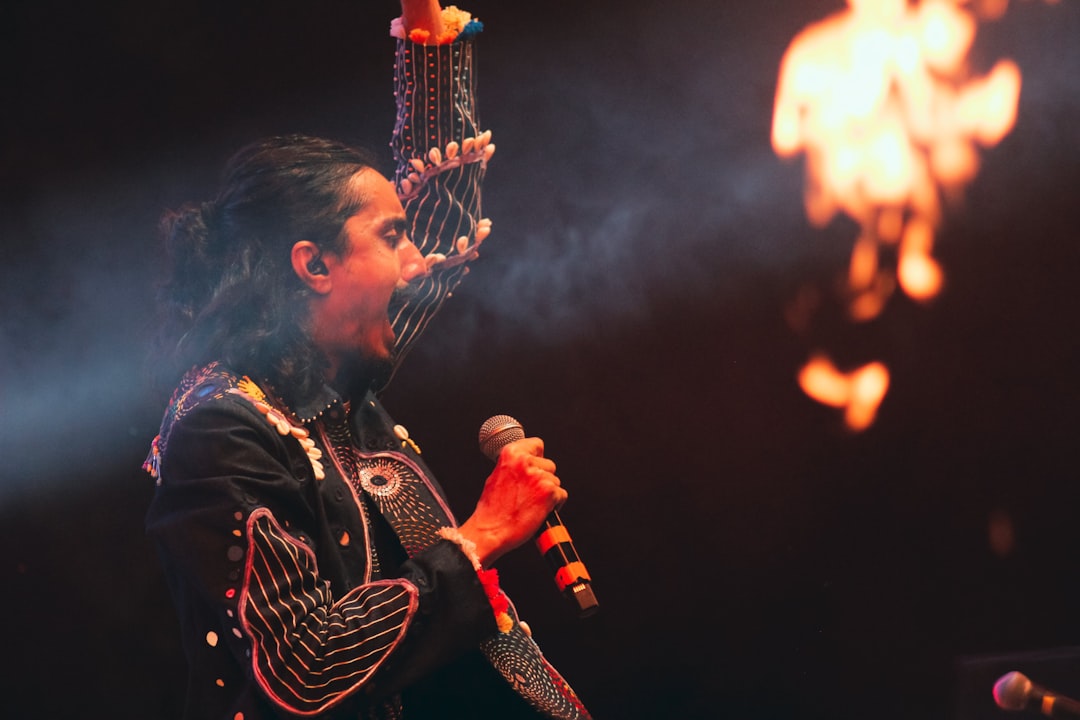
You walk into a capoeira class expecting kicks and cartwheels. What you get instead is a circle of people singing in Portuguese, a weird one-stringed instrument humming a melody you can't quite place, and two players moving like water inside a ring of clapping hands. Nothing about it makes sense. And that's exactly the point.
Capoeira wasn't built to make sense to outsiders. Enslaved Africans in Brazil disguised fighting technique as dance so plantation owners wouldn't catch on. That tension — beauty hiding danger, play masking combat — still lives at the center of every roda. Once you feel it, you don't forget it.
Philosophy Isn't Extra — It's the Whole Thing
Some people show up wanting to learn flips. Cool. But capoeira without its philosophy is just gymnastics with a soundtrack. The art carries centuries of resistance, community, and survival in its movements. Your mestre isn't just teaching you a meia lua de frente — they're passing down something their mestre gave them, and their mestre before that.
Ask questions. Sit with the history. Listen when elders in the group talk about what capoeira meant in the favelas, in the senzalas, in the streets of Salvador. This isn't background info. It's the reason the art still breathes.
Ginga First, Fancy Stuff Later
Every capoeirista lives and dies by the ginga — that rhythmic, swaying backstep that looks simple until you try to do it for ten minutes without looking like a confused pendulum. The ginga is home base. From it, every kick, dodge, and escape flows.
New students rush past it. Don't. Drill your esquivas until ducking under a kick feels as natural as blinking. Practice the aú slowly, with control, not speed. The fundamentals aren't a stepping stone to the "real" capoeira. They ARE the real capoeira. A mestre can spot a sloppy ginga from across the room, and so can everyone else in the roda.
You Gotta Learn the Music (Yes, All of It)
Here's where capoeira separates itself from every other martial art on the planet: if you can't play the berimbau, you're only doing half the art. The music doesn't just accompany the game — it dictates it. A faster rhythm called são bento kicks the energy up. A slower one like angola pulls things into a slower, more strategic dance. Miss those cues and you'll be moving to the wrong beat without knowing it.
Start with the songs. Learn the corridos your group sings most often. Pick up the pandeiro before the berimbau — it's more forgiving. Eventually, sit with that berimbau and figure out how a single steel string and a gourd produce music that's kept this tradition alive for five hundred years.
Your Body Will Thank You (Eventually)
Let's be honest: the first few months hurt. Your legs burn from the ginga. Your wrists ache from supporting your weight in ground movements. You'll discover muscles you didn't know existed, mostly because they'll be screaming at you.
But then something shifts. Your coordination sharpens. Your reflexes quicken. You move from clunky to fluid, from thinking about each step to feeling them. Capoeira builds a kind of functional fitness that no treadmill or weight machine can replicate — the kind where your whole body works as one unit, reacting in real time to another person's energy.
The Roda Is Where It All Comes Together
Training is one thing. The roda is another beast entirely. Standing in that circle, facing another player, with music pushing the tempo — that's where capoeira stops being practice and becomes conversation. You read your partner's body language. You bait, you feint, you respond. Every exchange is improvised, and every game ends with respect.
Get in the roda as often as you can. Watch games when you're not playing. Notice how experienced capoeiristas control space, how they use the music, how a simple negativa can turn the entire flow of a match. The roda teaches things no drill ever will.
This Takes a Lifetime (That's the Good News)
Nobody masters capoeira in a year. Or five. Or twenty. The art is too deep, too layered, too connected to culture and history and music and community to be "finished." That used to frustrate me. Now it's the thing I love most about it.
You don't arrive. You just keep showing up, keep learning, keep playing. And somewhere along the way, the art stops being something you do and becomes part of who you are. That's not a motivational poster — that's what capoeiristas across the world will tell you with complete sincerity.
So find a group. Show up. Let the berimbau pull you into the roda. The rest takes care of itself.