The Day I Realized Capoeira Wasn't Just Fancy Kicking
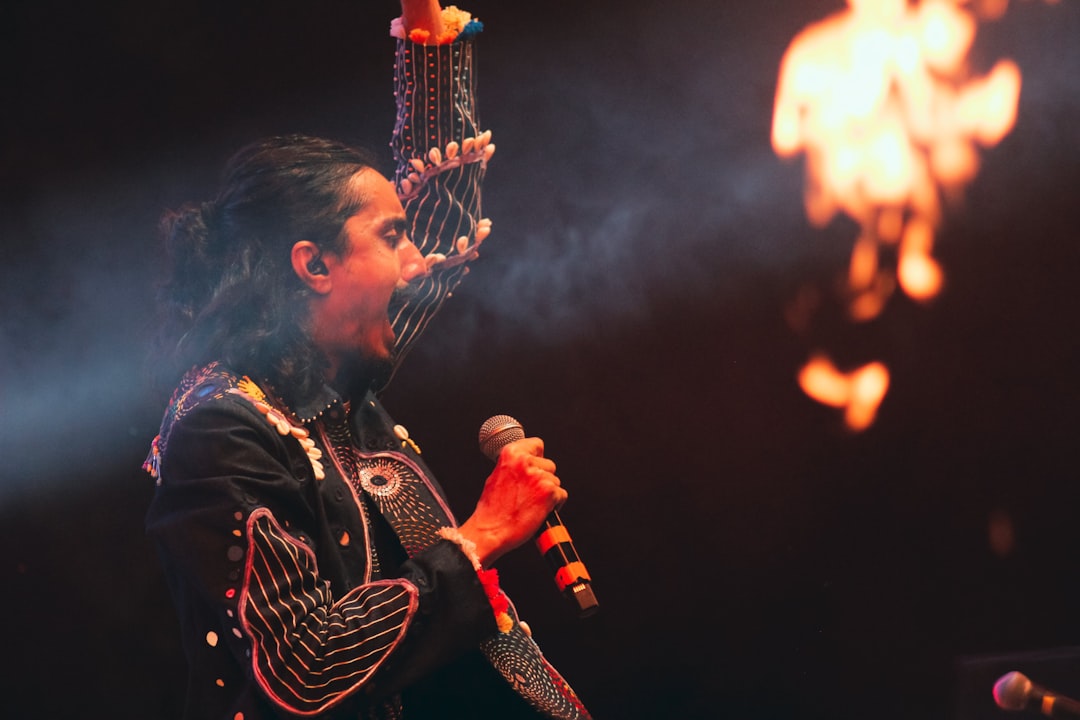
I remember watching my first roda at a community festival in Salvador. Two players moved inside the circle like water — ducking, spinning, barely missing each other with sweeps that made the crowd gasp. A berimbau hummed underneath it all, controlling the speed and intensity like an invisible conductor. I thought, I need to learn this. What I didn't realize was that I was signing up for years of humbling, bruise-covered, deeply rewarding work.
Capoeira pulls you in because it looks like play. But behind every fluid exchange is a lifetime of practice, cultural knowledge, and physical conditioning that most people underestimate. If you're serious about going pro — teaching, performing, building a life around this art — you'll need more than cool moves. You'll need roots.
Build Your Base Before You Build Your Brand
There's a temptation to rush toward the flashy stuff. You see someone nail a backflip out of a queda de rins and you want that now. But the players who last aren't the ones who learned the most tricks fastest. They're the ones who spent months perfecting their ginga until it felt like breathing.
The ginga is Capoeira's heartbeat — the constant swaying motion that keeps you moving, ready, unpredictable. Pair it with solid meia-lua kicks, reliable esquivas, and a few basic escapes, and you've got a vocabulary that'll carry you through any game. Skip this phase and you'll hit a ceiling fast. Trust me, I've watched talented athletes stall out because they built a house on sand.
Find an instructor who drills the fundamentals relentlessly. A good teacher won't let you progress until your basics are clean, and that patience will pay off exponentially later.
You Can't Separate the Movement From the Music
Here's something that trips up a lot of newcomers: Capoeira isn't just a physical discipline. The berimbau, the pandeiro, the atabaque — these instruments don't just accompany the game. They direct it. The rhythm the bateria plays determines whether you're in a slow, strategic Angola game or a fast, aggressive Regional showdown.
Learn to play. Seriously. Pick up a berimbau early, learn the ladainhas and corridos, sing in the roda. Players who don't engage with the musical side always feel incomplete, no matter how athletic they are. The music tells you when to attack, when to show respect, when to slow down. Ignore it and you're just doing gymnastics in a white uniform.
Get Your Body Ready for the Long Haul
Capoeira is brutal on your body in ways that are hard to predict. You'll need wrist strength for all those handstands and negativas. Hip flexibility for the low sweeps and coca. Shoulder mobility for the au and macaco. Core stability for everything.
Supplemental training isn't optional — it's survival. Yoga helps with flexibility and breath control. Bodyweight strength work (think push-ups, pull-ups, pistol squats) builds the kind of functional power Capoeira demands. And don't skip the stretching after class. Your thirty-five-year-old self will thank your twenty-five-year-old self.
The mental side matters just as much. Capoeira teaches you to stay calm when someone's foot is flying toward your face. That composure — reading your opponent, adapting mid-movement, making split-second decisions — takes years to develop. Meditation or even just focused breathing during warm-ups can accelerate that growth.
Learn the History or Risk Looking Foolish
Capoeira was born from enslaved Africans in Brazil who disguised fighting technique as dance to survive. That history isn't decoration — it's the foundation of everything. Knowing about Mestre Pastinha's Angola style versus Mestre Bimba's Regional approach tells you why the art looks the way it does. Understanding the resistance, the outlaw years, the cultural revival gives your practice meaning beyond physical skill.
When you travel to teach or perform, people will ask about the art's origins. If your answer is shallow, you lose credibility instantly. Read books. Watch documentaries. Talk to Mestres who lived through Capoeira's transformation from criminalized activity to UNESCO-recognized heritage. That knowledge shapes how you carry yourself in the roda.
Teaching Is a Completely Different Skill
Being good at Capoeira doesn't automatically make you a good teacher. I've seen incredible players who couldn't explain a simple esquiva to a beginner to save their lives. Teaching requires empathy, patience, and the ability to break down complex movements into digestible pieces.
Start assisting classes early. Watch how experienced instructors adjust their language for kids versus adults, beginners versus advanced students. Learn to demonstrate clearly — half the battle is showing the movement from the right angle so students actually understand what they're copying. And get comfortable with feedback. Your students will tell you what's not working, if you listen.
Put Yourself Out There
The Capoeira community is global, and it thrives on connection. Batizados, workshops, international festivals — these aren't just fun events. They're where you build your reputation, learn from different lineages, and find opportunities you'd never discover sitting in your home academy.
Travel when you can. Train with Mestres outside your own group. The exposure to different styles and teaching methods will make you a more versatile player and a more effective instructor. Some of my biggest breakthroughs came from a single conversation with a Mestra I met at a workshop in Lisbon.
Stay Hungry, Stay Humble
The art keeps evolving. New sequences, new musical interpretations, new ways of teaching — Capoeira in 2025 doesn't look the same as it did in 2005. The practitioners who stagnate are the ones who decided they'd learned enough. Keep seeking. Keep questioning. Keep playing with people who challenge you.
And honestly? The day you stop being nervous before a roda is the day you've stopped growing. A little fear keeps you sharp. A little humility keeps you open. That balance — between confidence and curiosity — is what separates a professional Capoeirista from someone who just knows a lot of moves.
The roda is waiting. Get in it.