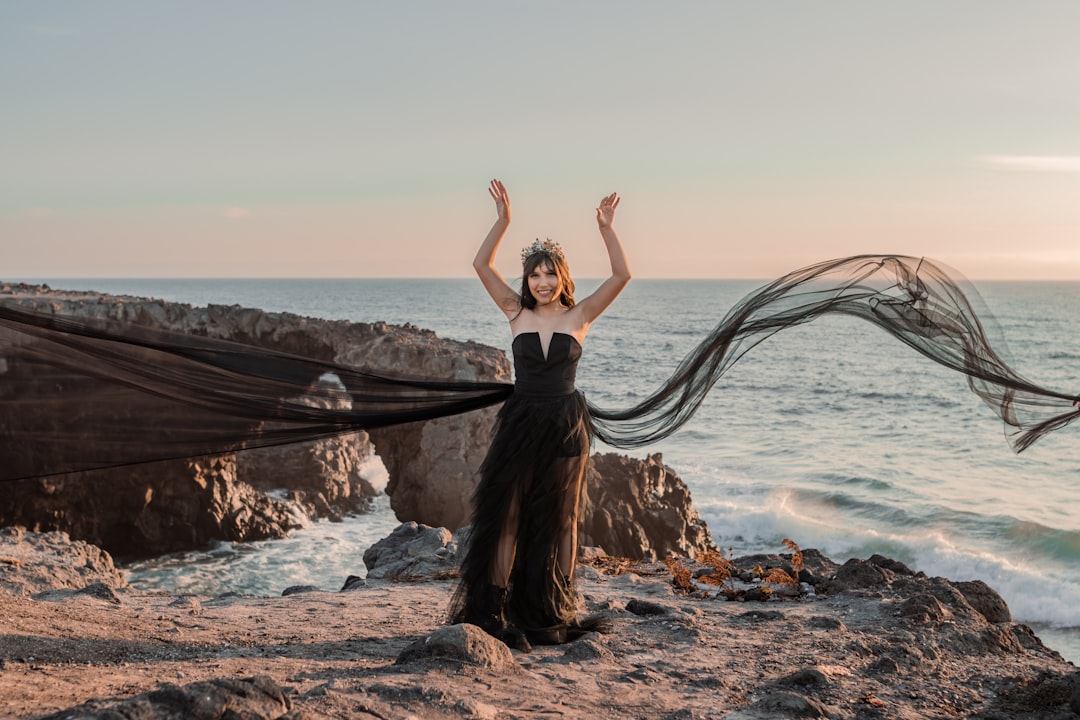
I'll never forget watching a dancer in a faded gray tank top sprint toward the edge of the stage, stop short, and simply... fold. No prepared landing. No elegant port de bras. Just knees buckling, shoulders rounding, and a head dropping like a stone into water. The audience gasped. Then we leaned forward.
That was the night I stopped looking for perfection in dance.
Contemporary dance has this way of catching you off guard. You walk in expecting technique—pointed toes, high extensions, the polished machinery of classical training. Instead, you get a performer crawling through a pool of light, breathing so loud you hear it from row K. You get two bodies colliding and unraveling in slow motion. You get anger, joy, and exhaustion delivered not through facial expressions, but through the arch of a spine or the drag of a heel across marley flooring.
It's unsettling. And that's exactly the point.
The Body Doesn't Lie
Ballet asks the body to defy gravity. Contemporary dance asks it to negotiate. Watch a skilled performer and you'll see the negotiation in real time—the micro-adjustment of a foot finding balance, the intentional waver of an arm, the choice to let momentum carry you farther than feels safe.
Last season, I watched a piece where the choreographer had dancers execute perfect pirouettes, then immediately break the illusion by flopping onto their backs like exhausted children. The contrast stung. One minute you're watching superhuman control; the next, you're watching someone give up. Both were choreographed. Both required insane precision. But the second one—the flop—was what stuck with me three days later.
That's the sneaky brilliance of this form. It hijacks your expectation of grace and redirects it toward honesty. A turned-in foot replaces a turned-out one. A sagging torso says more than a rigid back ever could. The vocabulary isn't foreign; it's just been waiting in your own body, unacknowledged.
When the Floor Becomes a Partner
Contemporary choreographers have stopped treating the stage like a pedestal. In spaces from Brooklyn black boxes to London's Sadler's Wells, the floor isn't just something to stand on—it's something to fall into, push against, or melt across.
I saw a solo last year where the dancer never once stood at her full height. She spent eleven minutes in constant negotiation with the ground, rolling, scooping, pressing her cheek to the floorboards as if listening for a heartbeat. By the end, the stage looked less like a platform and more like a bed she was too restless to sleep in. You don't walk away from something like that thinking about her extensions. You walk away remembering how it felt to be small in a large room.
This physical democracy changes who gets to dance, too. Companies are increasingly built on what bodies can communicate, not how closely they match a Balanchine ideal. Dancers with broader frames, older dancers, performers with disabilities—they're not being "included" as a kindness. They're being cast because their specific physicality tells a story that a conservatory-perfect body cannot.
Lights, Projections, and the Glitch That Worked
Technology in contemporary dance sometimes feels gimmicky. But when it clicks, it doesn't overshadow the body—it extends it.
One company I follow projects live biometric data onto a scrim behind the dancers. You see a leap, and simultaneously you see the heart rate spike. You watch a duet, and the screen shows their breathing falling into sync before their movements do. It's not distracting; it's intimacy made visible.
Other groups are using motion capture in reverse—dancers respond to avatars in real time, creating a weird, beautiful lag between the digital and the physical. The best moments aren't the ones where the tech works perfectly. They're the glitches: the avatar stuttering, the human dancer pausing to account for it, both worlds negotiating the same awkward beat.
The Stories We Carry Across Borders
What blows me away is how this form travels. A piece built in Tel Aviv about grief lands in Chicago and wrecks an audience there too. A solo made by a choreographer in Lagos finds its way to a festival in Berlin, and nobody needs a translator to understand the shaking hands, the held breath, the sudden stillness.
Contemporary dance has become a kind of global whisper network. Artists aren't just borrowing from each other; they're building works together across time zones, often starting with nothing but a video call and a shared playlist. The result isn't a watered-down "world dance" aesthetic. It's fierce and specific—dancers arguing, yielding, and rebuilding form from the ground up, carrying their own histories in their hip replacements and calluses.
The Fall Is the Point
Here's what I've learned after years of watching: contemporary dance isn't trying to be pretty. It's trying to be present. That dancer who folded at the edge of the stage? She wasn't failing. She was choosing the fall over the pose, and there's a world of difference between the two.
The next time you find yourself in a dark theater and something on stage looks broken, or ugly, or confusing—stay with it. That discomfort is the sound of an art form trusting you enough to show its work. And if you're lucky, you'll feel something in your own chest unlock, recognizing a movement you didn't know your body remembered.