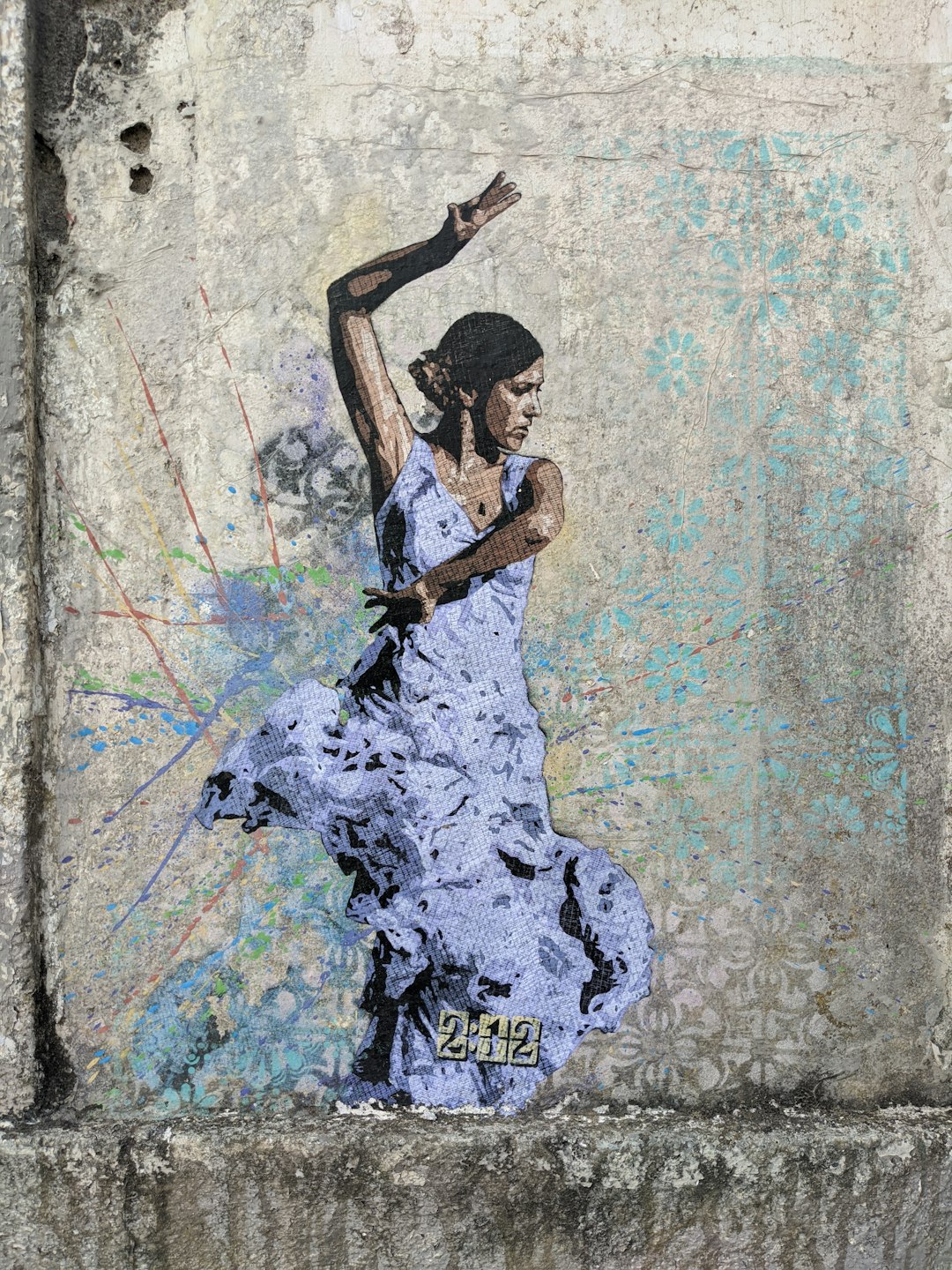
The reedy cry of the accordion cuts through the room first. Then the scrape of the guacharaca, the thump of the tambora drum—cumbia announces itself before you see a single dancer. When the movement begins, it's unmistakable: hips tracing continuous figure-eights, fluid as water, driven by knees that bend and straighten in subtle counter-rhythm. The feet drag and pivot in the signature arrastre, a motion born on Colombia's Caribbean coast nearly two centuries ago.
Born in the 1800s as a courtship dance among African communities, cumbia emerged from the cultural fusion of enslaved Africans, Indigenous peoples, and European colonizers. The traditional cumbia de gaita featured dancers moving in circular patterns—women holding candles aloft, men circling with hats in hand—imagery that still echoes in modern social dance floors from Mexico City to Buenos Aires. Today, cumbia has splintered into vibrant regional styles: Mexican cumbia sonidera with its electronic flourishes, Argentine cumbia villera born in Buenos Aires slums, and the original Colombian form that started it all.
Yet this article isn't a history lesson. It's an invitation—because beneath cumbia's cultural richness lies something surprisingly practical: one of the most sustainable, enjoyable, and effective fitness practices you can adopt.
Cardiovascular Health Without the Misery
A single cumbia track typically runs 90–110 BPM—fast enough to keep your heart rate in the aerobic zone, but not so intense that beginners gasp for air. The dance's signature dragging step and quick weight shifts keep your pulse elevated for sustained periods, mimicking the cardiovascular benefits of brisk walking or light jogging, but with considerably more joy.
Research supports what dancers feel. A 2016 study in the Journal of Physical Activity and Health found that social dancing reduced cardiovascular mortality risk by 46%—nearly double the protective effect of walking. Unlike treadmill sessions that feel like punishment, cumbia's structured improvisation keeps your mind engaged and your body moving through variable intensity: the verses let you recover, the choruses demand more.
The result? Lower blood pressure, improved circulation, and a heart that grows stronger without you ever checking a clock or counting steps.
Sustainable Weight Management Through Movement You Actually Want to Repeat
Here's what most fitness programs get wrong: they optimize for calorie burn in a single session while ignoring whether you'll show up next week. Cumbia inverts this equation. A vigorous hour can torch 300–500 calories, comparable to moderate swimming or cycling. But the metric that matters is adherence—and cumbia's social, musical, and cultural dimensions create something rare: exercise you crave rather than endure.
The rapid footwork and continuous hip engagement demand significant energy expenditure. More importantly, they build movement vocabulary. As you progress from basic steps to more complex turns and partner work, your body adapts, your confidence grows, and your motivation compounds. The weight loss becomes a side effect of skill acquisition and community connection.
Coordination, Balance, and the Hidden Fitness of Dance
Cumbia's physical demands run deeper than cardio. The intricate footwork—precise placement of the arrastre, quick pivots, weight shifts that seem to defy momentum—requires genuine motor learning. Your core engages continuously to stabilize the hip movements. Your proprioception sharpens as you navigate crowded dance floors without visual focus on your feet.
This matters beyond the club. Improved balance reduces fall risk as you age. Enhanced coordination transfers to athletic performance in other domains. The physical confidence you develop—knowing your body can execute complex patterns on demand—reshapes how you move through daily life.
Mental Health: From Immediate Relief to Lasting Resilience
The psychological benefits of cumbia operate on two distinct timescales.
Immediate stress relief arrives through what researchers call "embodied cognition"—the way physical movement directly influences emotional state. The upbeat tempo and full-body engagement leave no cognitive bandwidth for rumination. Worries about work deadlines or relationship tensions simply cannot coexist with the demands of following a complex rhythm while coordinating with other dancers. The dance becomes a moving meditation, a forced present-moment awareness that rivals formal mindfulness practice.
Sustained mood improvement builds through different mechanisms. Regular cumbia practice elevates baseline endorphin levels, the brain's natural mood regulators. More significantly, the social architecture of cumbia—classes, social dances, festival gatherings—combats the isolation epidemic that modern life propagates. You arrive as an individual, develop skill through structured learning, then integrate into a community that recognizes and celebrates your progress.
The distinction matters. Some activities relieve stress temporarily without building resilience. Cumbia does both.
How to Start: A Practical Roadmap
**Find your