The First Time I Got Swept Up
I'll never forget the night a stranger grabbed my hand and pulled me into a circle I hadn't even noticed forming. The accordion was wheezing out this irresistible melody, drums hit like a heartbeat on espresso, and suddenly my feet were doing something I'd never learned in any studio. That was my introduction to cumbia—and I've been chasing that same rush ever since.
Cumbia doesn't ask for your dance resume. It shows up at backyard barbecues in Barranquilla, living room get-togethers in Mexico City, and basement parties in Brooklyn, offering instant membership to anyone willing to shuffle their feet.
Where This Rhythm Actually Comes From
Back in the 1800s, Colombia's Caribbean coast wasn't exactly a melting pot—it was more like a pressure cooker of cultures thrown together by colonialism. Enslaved Africans brought polyrhythmic drumming. Indigenous communities contributed ceremonial flutes and chants. Spanish colonizers lugged over accordions and Catholic festival traditions. Nobody sat down and "invented" cumbia. It bubbled up from people making something joyful out of forced proximity.
The music traveled. By the 1960s, Mexican groups were electrifying it. Argentinian rockers were fusing it with psychedelia. These days, you'll hear cumbia samples dropped into reggaeton tracks and electronic remixes at 2 AM in Berlin clubs. But the coastal Colombian spirit—that communal, we're-all-in-this-together heartbeat—never really left.
What You're Actually Hearing
Throw on a classic cumbia track and listen past the melody. That driving pulse comes from layered percussion: the deep thud of the caja drum, the scratchy rattle of the guache (basically a metal shaker that sounds like rain on a tin roof), and the bass locking everything into a groove so thick you could spread it. The accordion doesn't just play notes—it wheezes and cries, carrying melodies that somehow sound nostalgic even on first listen.
Modern cumbia might swap in synthesizers or drum machines, but that core rhythm—the "two-step" pulse that makes swaying almost involuntary—remains the skeleton everything else hangs on.
Your Feet Already Know What to Do
Here's the beautiful thing: cumbia was never designed for perfection. It was built for fishermen coming off boats, grandmothers at street festivals, kids sneaking into their first dance. The basic step is gloriously simple. You step, you drag, you step, you drag—shifting weight in a smooth, ground-skimming motion that feels like you're gliding across sand.
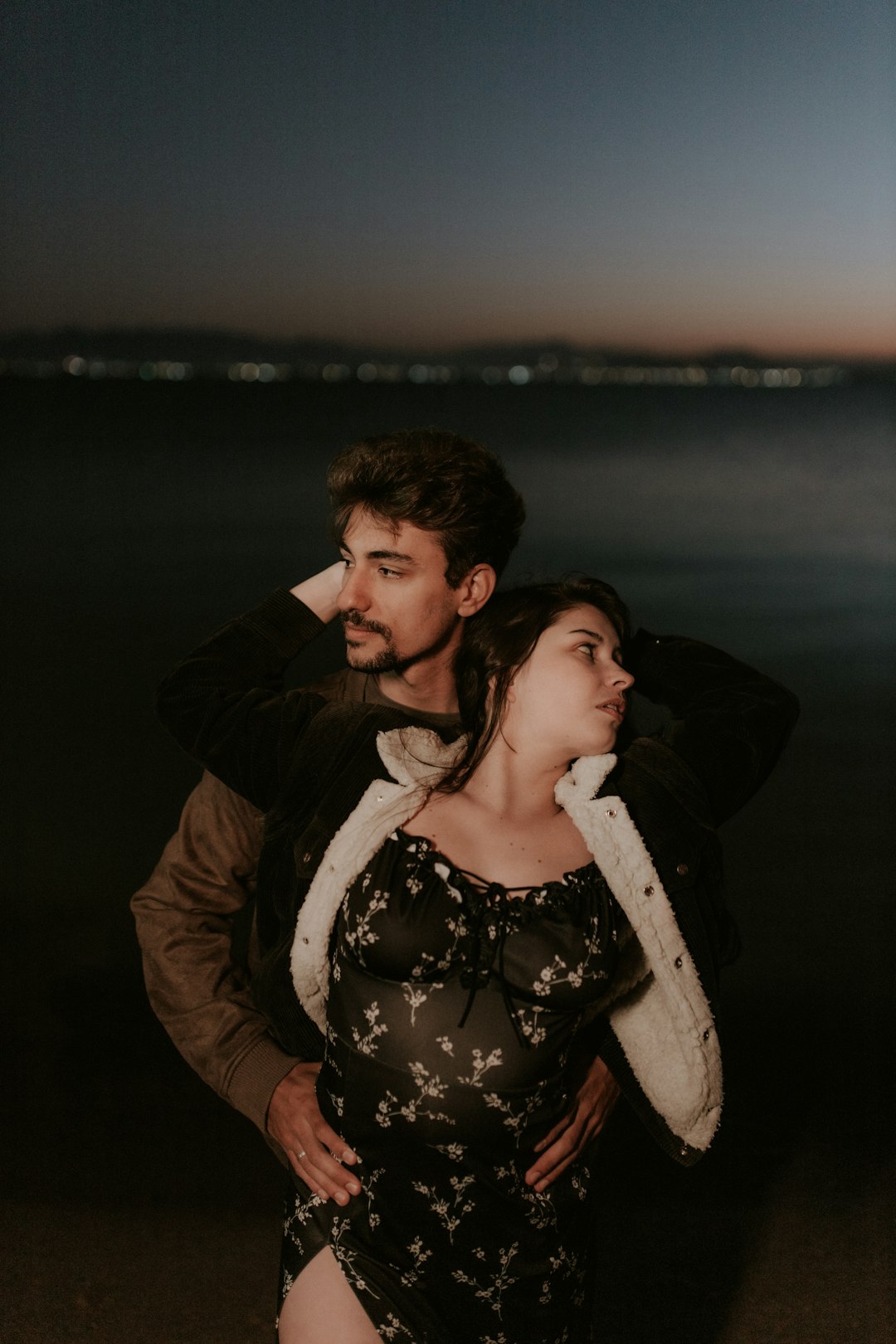
Partners face each other, often holding hands or with the lead's hand at the follower's waist. The dance travels in circular patterns, the couple rotating together while somehow staying loose and conversational. Unlike salsa's sharp turns or bachata's tight intimacy, cumbia gives you breathing room. You can chat, laugh, or spin out for a solo moment before reconnecting.
Want to level up? Add a subtle shoulder dip on the fourth count. Or try the "cumbia reggae" variation popular in El Salvador, where the upper body gets more isolations and the footwork picks up a slight bounce. But honestly? Nobody's grading you. The goal is to look like you're having too much fun to care how you look.
A Playlist That Actually Slaps
Skip the algorithm for a minute. These tracks will give you the real texture of what cumbia feels like at different energies:
"La Noche" by Joe Arroyo – The Colombian classic that makes every room feel like Carnival. Arroyo's voice alone could start a party in a parking garage.
"Cumbia Sobre el Río" by Celso Piña – The Monterrey accordion legend took coastal cumbia and gave it norteño swagger. This track hits different after midnight.
"Somos Pacífico" by ChocQuibTown – Modern, urgent, and rooted. Perfect for understanding how cumbia lives in contemporary Colombian hip-hop.
"Nuestra Canción" by Monsieur Periné – Dreamy, jazzy, and effortlessly romantic. The kind of song that makes you want to dance close with someone you just met.
"La Pollera Colorá" by Wilfrido Vargas – Technically merengue-cumbia fusion, but try standing still when this horn section kicks in. You can't.
Finding Your Way In
You don't need a plane ticket to Barranquilla—though if you get the chance, take it. Start local. Search "cumbia night" plus your city. Check university Latin American student associations, cultural centers in immigrant neighborhoods, or even Latin dance studios that offer "social dance" hours rather than structured classes. The best cumbia experiences rarely happen on polished studio floors. They happen in converted warehouses, community center basements, or someone's aunt's backyard where a Bluetooth speaker and a cooler of beer do the heavy lifting.
Show up. Stand near the edge of the dance floor. Someone will pull you in. That's not just a possibility—it's practically the culture's onboarding process.
The Thing Nobody Tells You
After years of dancing different styles, I've realized cumbia's secret weapon isn't the steps or the music. It's the invitation. Every cumbia gathering operates on an unspoken agreement: whoever's dancing has permission to pull in whoever's watching. The wallflower doesn't stay a wallflower for long.
So next time you hear that accordion swell and those drums kick in, don't overthink it. Let your shoulders relax. Let your hips respond. And when someone reaches for your hand, take it. The dance floor is already yours.