The Beat That Refused to Stay Local
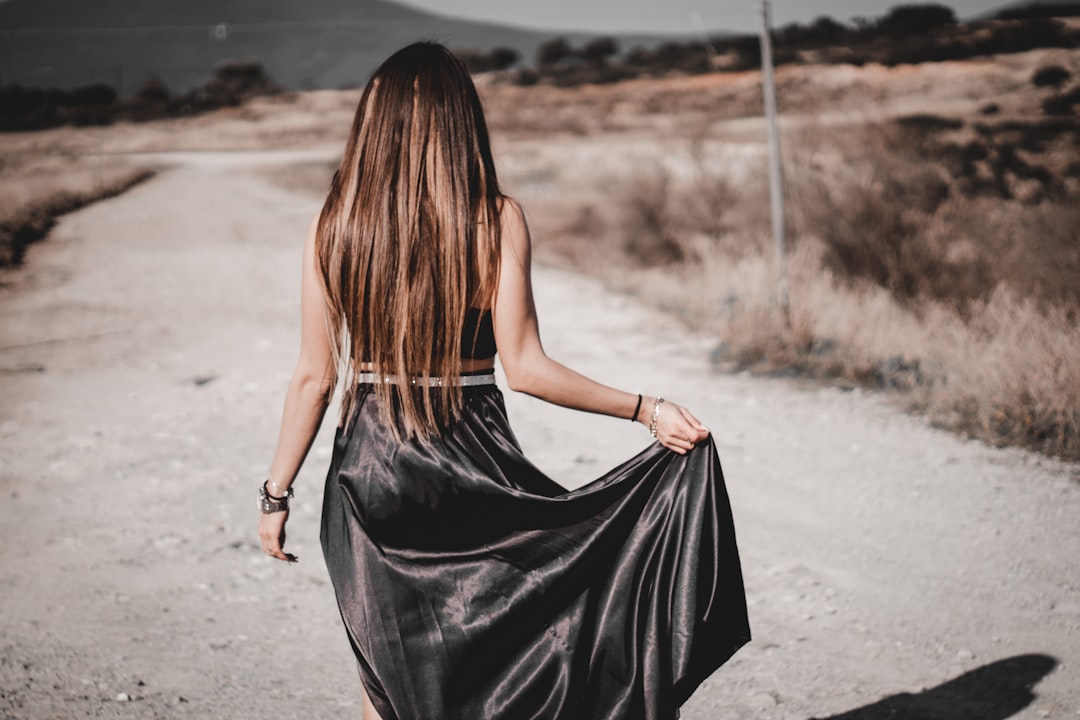
Picture a dimly lit patio in Barranquilla, maybe 1960s. A drummer squeezes a gaita flute between his fingers while couples shuffle in slow, deliberate circles — the woman's long skirt swaying like a pendulum, one hand holding a candle, the other resting on her partner's shoulder. That backyard ritual? It's now filling stadiums in Mexico City, Buenos Aires, and Los Angeles.
Cumbia didn't ask for permission to go global. It just did.
More Than Steps — It's a Conversation
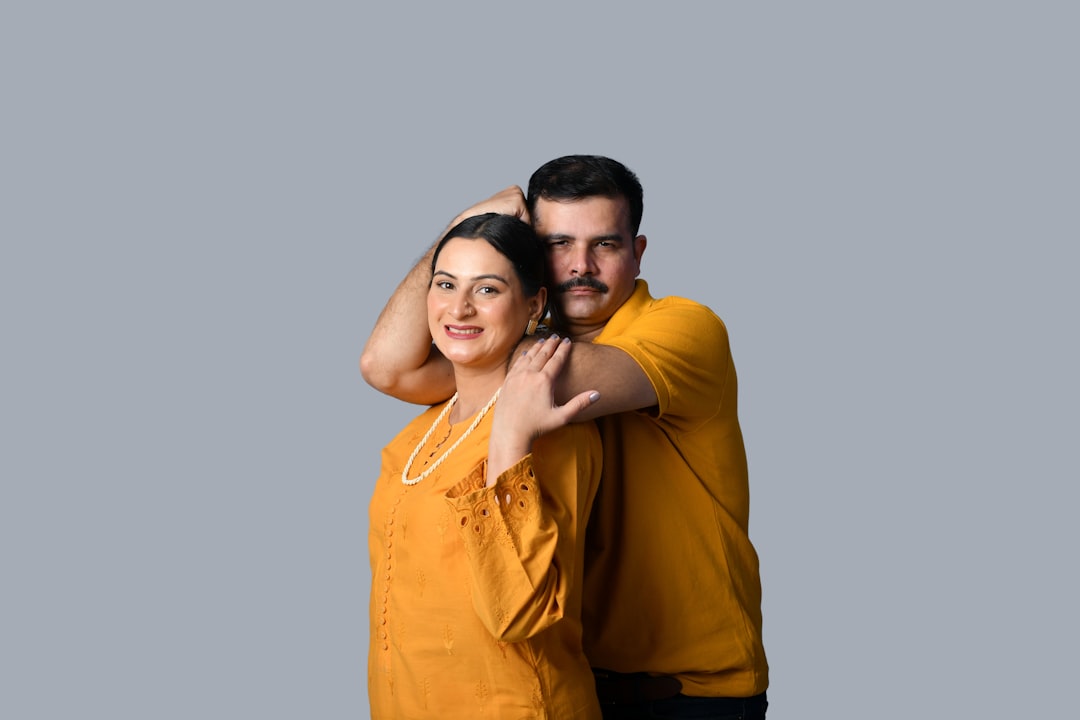
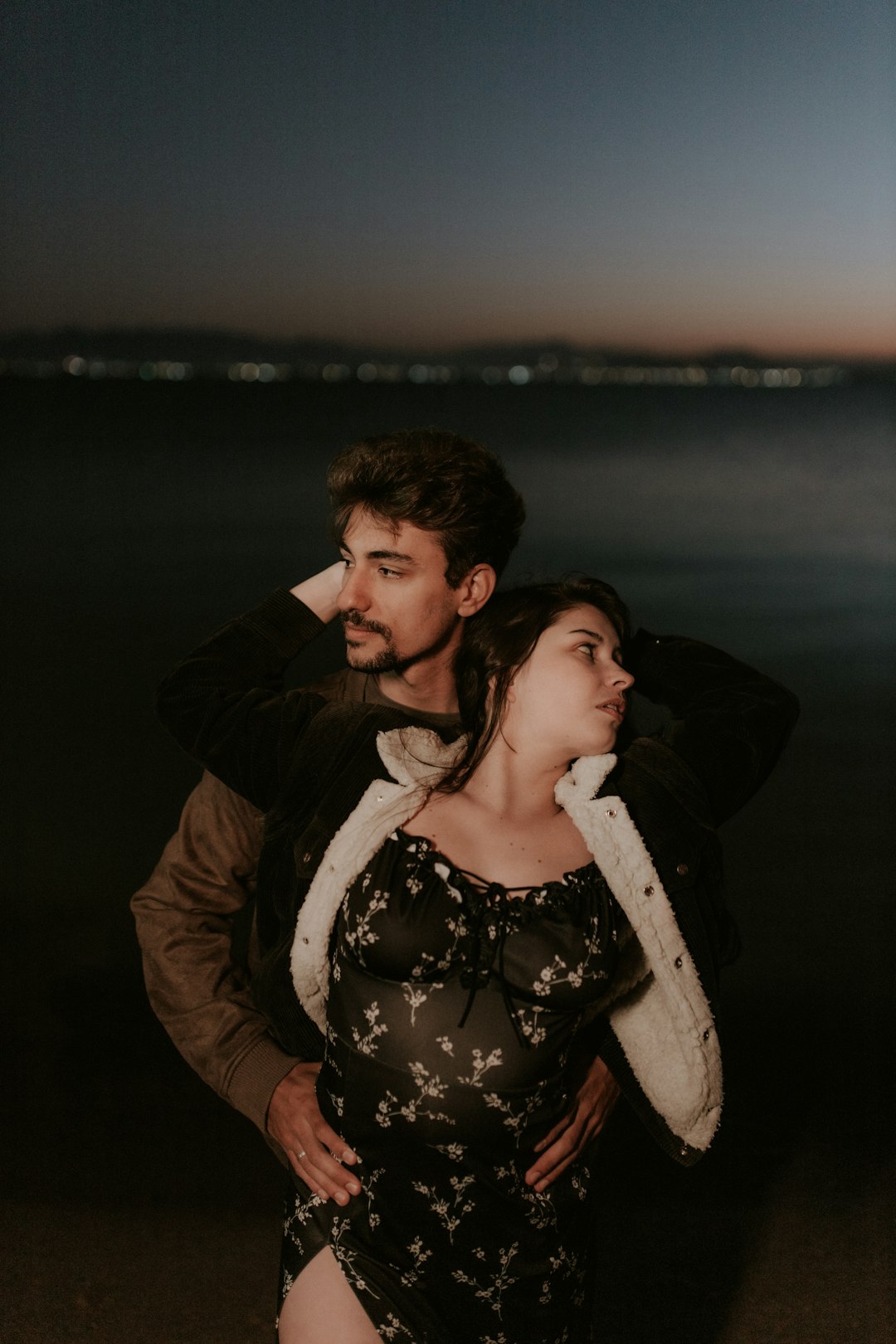
What makes cumbia stick isn't complexity. Quite the opposite. The basic step is almost deceptively simple: a circular shuffle, weight shifting side to side, the upper body staying relatively calm while the feet do all the talking. But watch two people who really know cumbia dance together, and you'll see something electric — a wordless dialogue built on timing, eye contact, and that one moment when the woman dips her shoulder and the man knows exactly what comes next.
It started as something Afro-Colombian communities created for themselves. Not for audiences. Not for stages. Just people moving to drums and flutes at neighborhood parties, weddings, and late-night street gatherings. The candle the woman traditionally carried? Some say it was a remembrance of enslaved ancestors who danced in the dark. Others just think it looked beautiful. Both things can be true.
How Cumbia Became a Shape-Shifter
Here's where it gets interesting. Cumbia hit Mexico and became something else entirely — faster, brassier, with that unmistakable accordion sound. Argentina picked it up and slowed it down, layering in synthesizers and creating "cumbia villera," the raw soundtrack of Buenos Aires slums. Peru added psychedelic guitars. Chile mixed it with electronic beats.
Each country took the skeleton of cumbia and dressed it in local clothes. And that's exactly why it survived where other fads didn't. Cumbia doesn't demand you follow rules. It invites you to remix them.
The Internet Did What Radio Couldn't
Social media turned regional curiosity into worldwide obsession almost overnight. A 30-second clip of a couple killing it at a Mexican wedding — that's all it took. Suddenly dance crews in Tokyo and Berlin were posting their own cumbia routines, adding hip-hop footwork or contemporary flair. TikTok accelerated everything further. Young dancers who'd never set foot in Colombia were learning the basic cumbia step from YouTube tutorials filmed in someone's garage.
The music adapted too. Producers started sampling classic cumbia basslines over house and reggaeton beats. Clubs in Brooklyn and London caught on. Festivals like Coachella booked cumbia-adjacent acts. What was once "that Colombian thing" became impossible to pin down — and that fluidity became its superpower.
What Cumbia Actually Means Now
Ask ten people what cumbia is and you'll get ten different answers. A Colombian abuela will tell you about candlelit processions. A Mexican teenager might describe the bass-heavy sound coming out of Monterrey clubs. An Argentine DJ will talk about mixing cumbia with techno at 3 AM.
That's not confusion. That's the whole point.
Cumbia carries history — colonial resistance, migration, reinvention — but it wears that history lightly. You don't need to know any of it to feel the pull of that rhythm. Your hips figure it out before your brain does.
Still Moving
The street where cumbia was born still hosts dancers. But now so does a warehouse in São Paulo, a rooftop in Bogotá, and a festival stage in Barcelona. The beat keeps adapting, keeps pulling people into its orbit. Some dances burn bright and fade. Cumbia just keeps picking up speed — one shuffled step at a time.