---
That Moment When Your Feet Know Something Your Mind Forgot
There's a moment—maybe you've felt it—where the music starts, your body moves before you think, and suddenly you're doing something your grandmother did, or her grandmother before that. No instructions needed. Your feet just know.
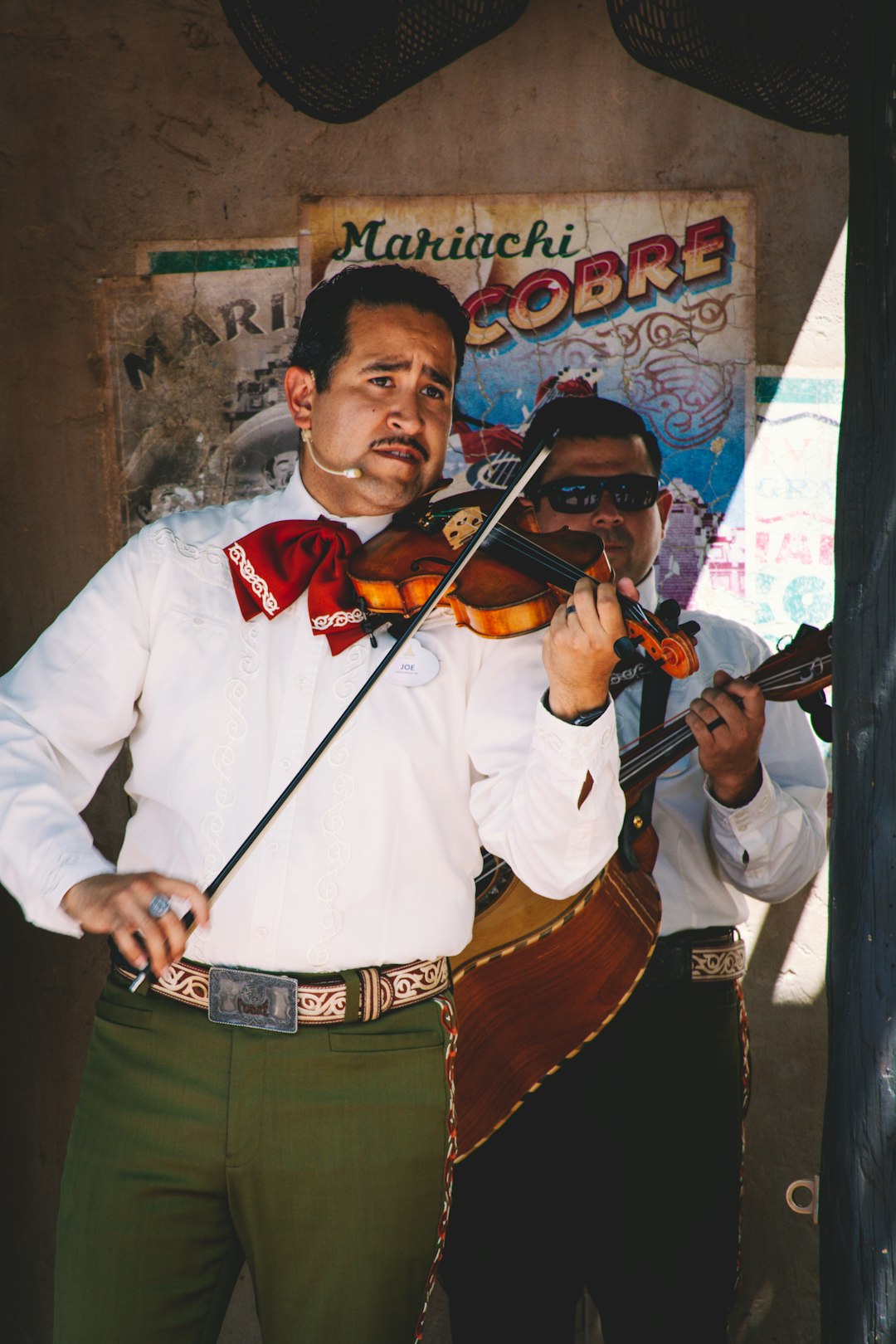
That's folk dance. Not the staged, museum-piece version your high school might have shown you. The real thing. The kind that happens at weddings in Romanian villages at 2 AM, in Buenos Aires milongas where strangers become partners, in Irish pub sessions where the floor shakes and nobody cares who's watching.
It's Not a relic. It's a Pulse.
People hear "folk dance" and think dusty. They think costumes in glass cases, documentaries with sad narration about traditions dying out. Wrong. It's alive and sweating in dance halls from Kentucky to Kerala right now.
The reason's simple: folk dance does something no choreographed routine can replicate. It connects you directly to a lineage—hundreds, sometimes thousands of years of humans moving together. You're not following a choreographer's vision. You're participating in a conversation that started before your great-great-grandparents were born.
Think about that. You're in a hora circle at a Jewish wedding, holding hands with cousins and strangers, and the same step was happening in some Eastern European village in the 1700s. Probably with better food.
What Happens When Old Meets New
Here's where it gets interesting. Modern choreographers aren't preserving folk dance—they're messing with it, and it's glorious.
Ballet companies staging contemporary pieces with Appalachian clogging. Electronic musicians sampling traditional Bulgarian choral recordings, and suddenly you hear your grandmother's wedding song remixed in a Berlin club. Dancers in Seoul learning Irish stepdance and bringing a completely different flavor to it.
The purists clutch their pearls, but honestly? This is how traditions survive. Not frozen in amber, but bleeding into each other, evolving, staying relevant. Flamenco used to be just what the Romani people brought to Spain. Now it's in jazz clubs, movie soundtracks, and—somehow—TikTok videos.
The Hidden Curriculum
Here's what nobody talks about: folk dance teaches you things that no app, no meditation retreat, no productivity system can.
You learn to listen. Not just to the music—to the person next to you. Your steps have to sync. Your weight shifts have to match. You can't be a selfish dancer in folk; the whole circle falls apart.
You learn to let go of perfection. Because folk dance isn't about executing steps perfectly. It's about the joy of the attempt, the community, the slightly off-beat guy in the back who doesn't care and makes everyone else relax.
You learn your own body in a different way. Modern dance often asks you to abstract, to become something other than yourself. Folk dance asks you to be more yourself—stronger, more grounded, more present.
The Real Reason It Endures
In a world of doom-scrolling and isolation, people are desperate for one thing: to be in a room with other humans, moving together, not performatively, just... together.
Folk dance offers that without the pressure of a concert. No audience needed. No follower count. Just bodies in motion, music that makes you want to move, and that specific feeling of "I don't know these people but right now we're doing something together."
That's not nostalgia. That's not "preserving culture" in some academic way. That's just... what humans actually need.
The Invitation
So yeah, the next time you hear there's a folk dance night in your city—Irish set dancing, Greek festivals, contra dances where the caller teaches you everything in thirty seconds—just go.
Don't worry about looking awkward. Don't worry about knowing the steps. The point isn't the steps.
The point is showing up, grabbing a stranger's hand, and joining a conversation that's been happening for centuries.
Your feet will figure it out. They always have.