I still remember the first time I watched a folk dancers' circle at a county fair. Something about the way they moved—not polished, not "correct," but alive—made me put down my popcorn and actually pay attention. Within a month, I was stumbling through an Irish reel in my living room, and I've never looked back.
That initial spark is what folk dance is all about. It's not about achieving perfection. It's about joining something older than your phone, your car, your ancestors' memories. Here's how to actually get started—without making the mistakes I made.
The Moves Don't Need to Be Perfect. They Need to Be Yours
Here's the truth nobody tells beginners: folk dance isn't one thing. It's not even ten things. There are hundreds of distinct styles across every continent—each with its own steps, rhythms, and "rules" that evolved over generations in specific villages, at specific celebrations.
Start small. Pick one style that calls to you—maybe you've always been curious about those rapid-fire Irish jigs, or maybe the flowing arm positions of Greekhasapiko caught your eye. YouTube is invaluable for learning the basics, but nothing beats an in-person class where someone can actually watch your feet and correct your posture. Check community centers, university extension programs, or that one person in your town who always seems to know about "the old dances." They'll exist. Trust me.
What You Wear Actually Matters (Here’s Why)
I showed up to my first folk dance workshop in jeans and a t-shirt. I regret that decision deeply—not because I didn't look the part, but because I couldn't move the part.
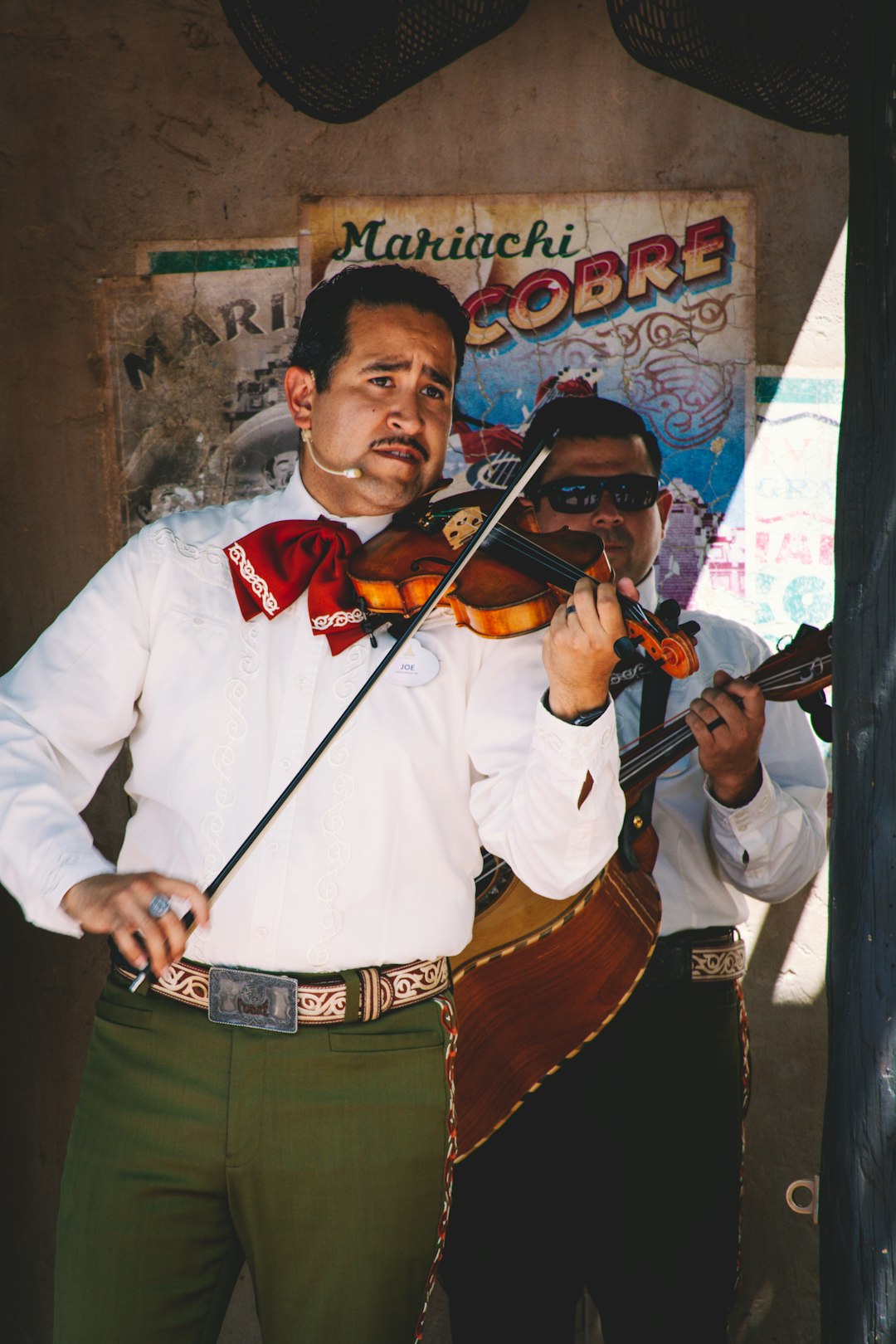
Traditional folk costumes evolved for a reason. A Russian Sarafan has loose fabric that flares when you spin. A Flamenco dress has just enough weight to make your turns dramatic. Even simple items—like a Scottish kilt or a Bavarian dirndl—change how your body moves through space. You don't need to spend hundreds of dollars. But you do need fabric that moves with you, and shoes that let you feel the floor.
Start with whatever loose, comfortable clothes you have. Then, as you fall deeper into a specific style, invest in one piece that matters.
You Can't Do This Alone (And You Shouldn't Try To)
The best thing about folk dance isn't the steps—it's the people who do them.
I joined a folk dance group in my third month because my living room practice was getting lonely and my neighbors were starting to complain about the stomping. That single decision taught me more than six months of YouTube tutorials. Someone corrected my arm position. Someone showed me the story behind the footwork. Someone handed me a beer after practice and told me about a festival three towns over.
Look for local groups, community dance nights, or festivals. Even if you're shy—and I was shy enough to almost back out on my first meeting—find a way to show up anyway. Social media can help you locate these communities, but don't let a keyboard substitute for actual human bodies in a room with music playing.
Practice Makes Permanent (So Practice With Purpose)
I'm going to let you in on a secret that took me too long to learn: you can practice the wrong thing endlessly and get very good at being wrong.
Schedule regular practice—ideally the same time each week—so it becomes as routine as brushing your teeth. But here's the catch: record yourself. I know it feels awkward watching your own awkward body shuffle around, but spotting that your weight is in the wrong place or your timing is slightly off is the difference between six months of plateau and actual improvement.
Also: slow down. Learn it right at half speed before you try it at full speed. Your future dancing self will thank you.
The Story Behind the Step
Here's the part I missed for too long: folk dance isn't just movement. It's meaning.
Each step in a Hungarian Csárdás tells a story about resistance and revolution. The partner work in Argentine Tango reflects a conversation in a language older than words. When I finally sat down and read about the why behind the steps I'd been practicing—the historical context, the community rituals, the folklore—something clicked. My dancing changed overnight. Not because I learned new steps, but because I finally understood what I was saying with the steps I already knew.
This transforms folk dance from exercise to expression. Look it up, read about it, ask your dance partners about it. The history matters.
Dances Worth Dancing
The first time I fully understood what folk dance was about—that spark from the county fair—I was twenty-seven years old and convinced I was too old to learn. I wasn't. You aren't either.
Find your style. Find your people. Put in the work, but remember why you're doing it: because somewhere, for hundreds of years, people gathered in rooms like the one you're standing in now and moved their bodies to tell stories that words couldn't hold.
That's still waiting for you. All you have to do is show up and move.