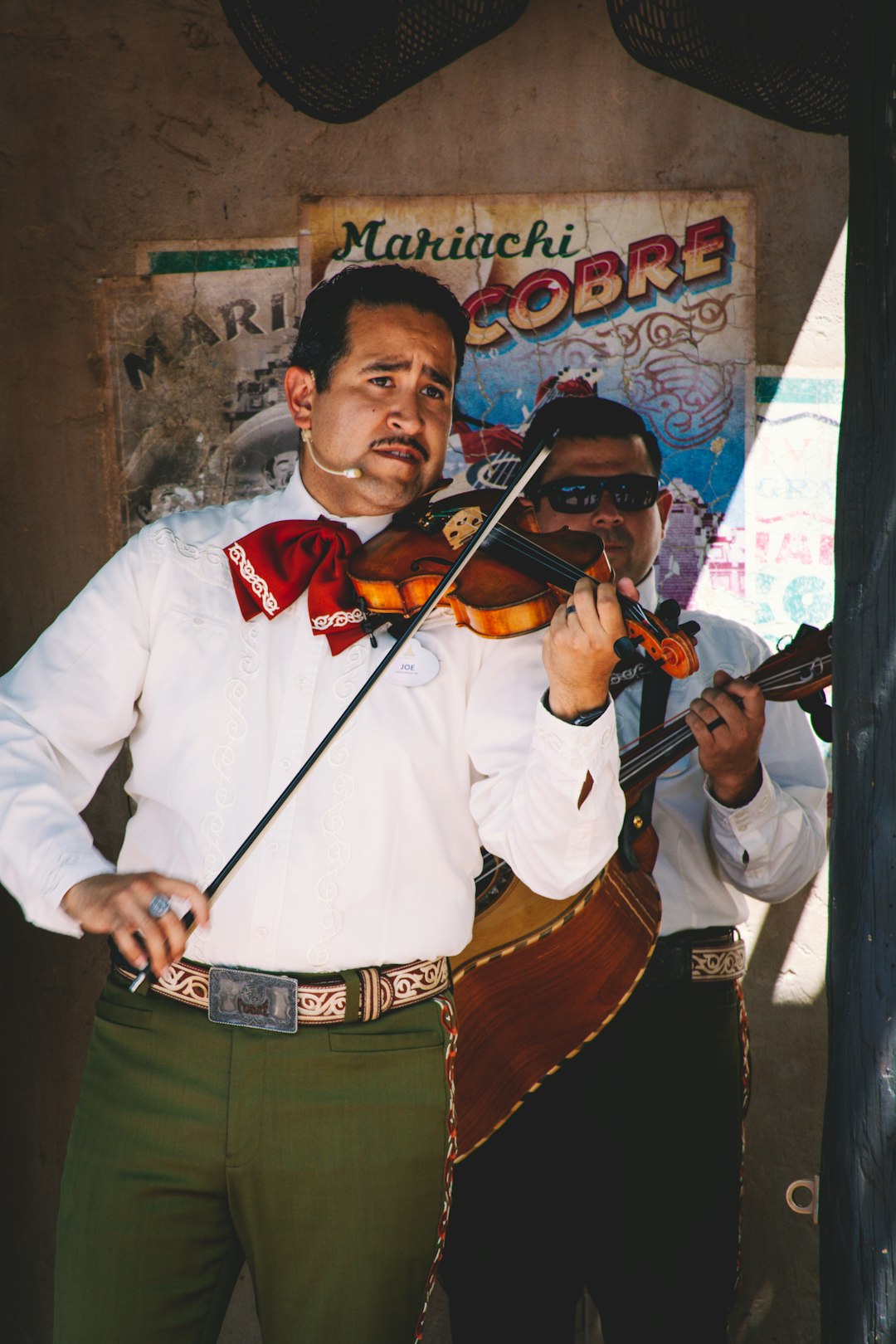
There's something about watching a room full of people move together—bodies linked by rhythm that's survived centuries, borders, and every trend that tried to bury it. Folk dance doesn't get the red carpet treatment like ballet or the Instagram clout of contemporary. But walk into the right studio in Girard City on a given evening and you'll find something that feels rarer: a community that moves like it's been doing this together forever, even if they started three months ago.
If you've been curious about folk dance, now is a surprisingly good time to start. The city's training landscape has shifted in ways that make it more accessible—and more interesting—than ever before.
Where Tradition Meets Something New
Girard Folk Dance Academy has been around since 1990, which means it's outlived three generations of fitness fads and at least two decades of "dance is dead" obituaries. Walking through their doors feels like entering a place that takes its work seriously: the walls might hold photographs from past festivals, the instructors carry certifications and, more importantly, decades of muscle memory. What sets the academy apart isn't just its longevity—it's the way it approaches folk dance as a living culture rather than a museum piece.
Every year, the academy brings in guest instructors from international dance communities. Polish wedding dances one season, Colombian cumbia the next. Students don't just learn steps—they learn where those steps came from, what they meant to the people who invented them, and why they still matter. If you want to understand why a Greek zeibekiko feels the way it does, you need context, not just choreography. This place provides both.
The catch? It's not for passive learners. The academy expects you to show up, practice, and engage with the cultural weight of what you're studying. That makes it ideal for dancers who want depth over decoration.
The Studio That Refuses to Get Dusty
City Steps Dance Studio occupies a different corner of the same world. Where the academy preserves, City Steps experiments. Their instructors take traditional folk forms and ask: what happens if we layer in contemporary movement language? What if a Morris dance walked into a modern dance studio and they had to figure it out together?
It's a question that could easily go wrong—turning tradition into a gimmick. But the instructors here have earned their reputation for doing it right. They understand the source material well enough to remix it without mocking it. The results appeal to younger dancers who might have bounced off the formality of more traditional programs but still want connection to something older than themselves.
City Steps also runs community outreach into local schools and neighborhood centers. That means the dance isn't just happening in the studio—it's bleeding out into the city. You might catch a flash mob of teenagers executing surprisingly competent Irish step variations at a farmers market. The scene is alive, and you can feel it.
For the Serious Ones
Heritage Dance Conservatory sits at the other end of the spectrum. This is where you go if folk dance isn't a hobby you're exploring—it's a path you're committing to. The conservatory focuses on regional forms with academic rigor. Students don't just learn Hungarian folk dances; they study the regional variations, the historical migration patterns that shaped them, and the scholarly debates around authenticity in movement traditions.
The facilities are impressive—a proper performance hall with lighting rigs and acoustic treatment. But the real resource is the faculty. Instructors here have performed professionally, conducted field research in source communities, and published on dance anthropology. When they correct your posture, they can tell you exactly why the correction matters and where it comes from.
Graduates from the conservatory go on to perform, choreograph, and teach. Some join professional folk ensembles. Others open their own studios, carrying what they learned into the next generation. If you have professional ambitions around folk dance, this is the pipeline.
Finding Your Entry Point
The question isn't really which studio is best—it's which studio fits where you are right now. Curious and casual? City Steps will welcome you without making you feel like a tourist. Serious about craft? The academy and conservatory both offer the depth you're looking for, just with different emphases. Ready to go professional? The conservatory has the track record.
One thing worth noting: folk dance communities tend to be generous with newcomers. Dancers who have spent years mastering difficult forms remember what it felt like to start. Don't be surprised if someone invites you to a social dance night after your first class. Take the invitation. That's where the real education happens—in a gymnasium somewhere, partnered with a stranger, learning to listen with your body.