The Night Everything Changed
Three years ago, I couldn't dance. Not "I was rusty" or "I needed practice" — I genuinely, physically could not move my body to music without looking like a malfunctioning vending machine. Then a friend dragged me to a small tablao in a basement bar downtown, and a woman in a black ruffled dress set the floor on fire.
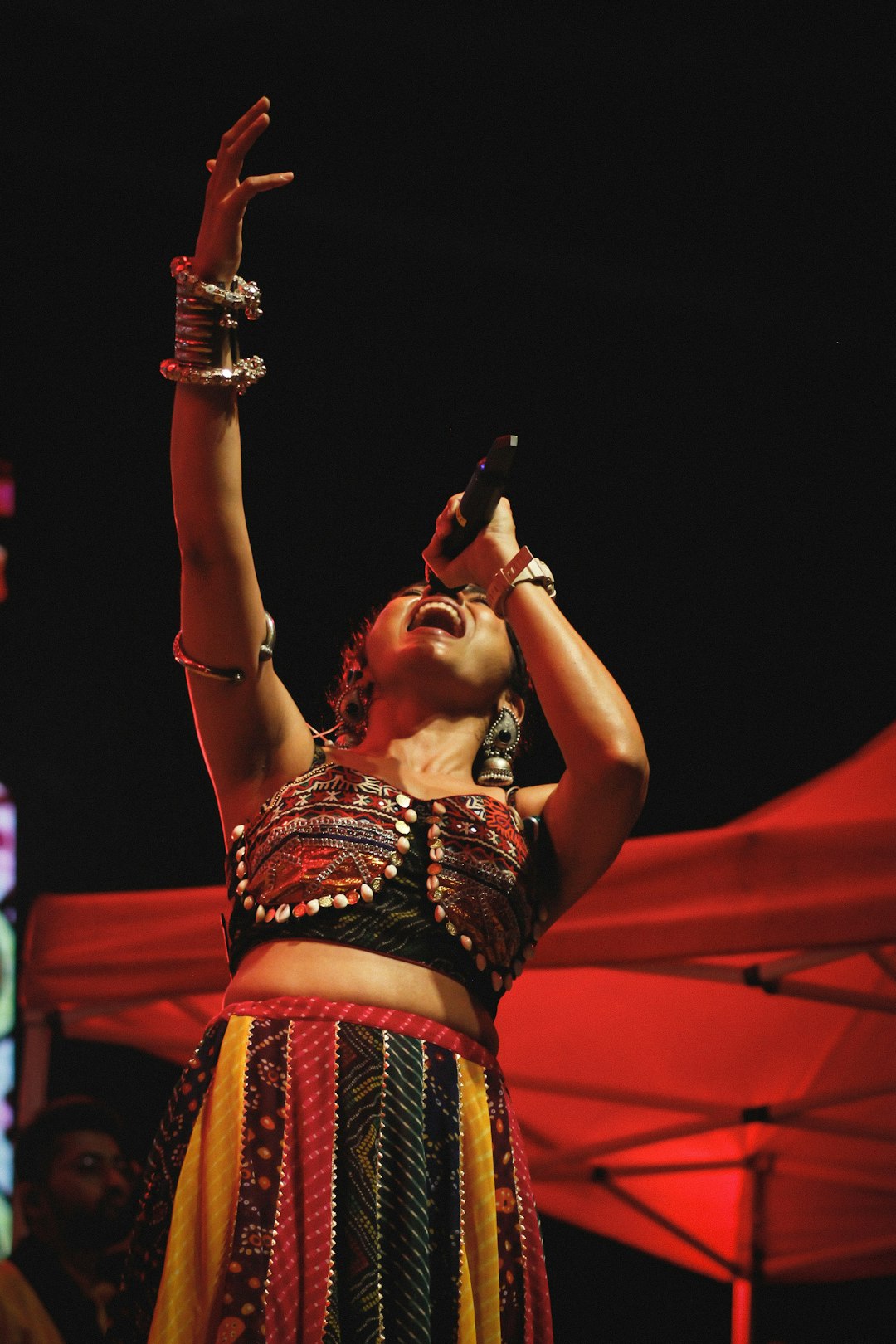
I don't mean that metaphorically. Her feet moved so fast I thought the wooden stage might crack. The guitarist's fingers bled emotion. A man in the corner shouted "¡Ole!" like his life depended on it. I sat there with my overpriced cocktail, completely stunned, thinking: I need to know how to do that.
Stumbling Into My First Class (and Nearly Stumbling Out)
I signed up for a beginner Flamenco course the next week. Showed up in yoga pants and sneakers — my first mistake. Everyone else had proper shoes with nails in the heels. I didn't even know shoes could have nails.
The teacher, Maria, had been dancing since she was six. She moved like water and fire somehow existed in the same body. She didn't coddle us. She clapped out rhythms — compás — and expected our feet to follow. Mine did not follow. Mine did their own confused thing while the rest of me tried to figure out what my arms were supposed to do.
Here's what nobody tells you about Flamenco: your brain will want to quit before your body does. The zapateado (that footwork that looks effortless when pros do it) uses muscles you didn't know you owned. After class two, I hobbled down the stairs like I'd run a marathon in stilettos. My downstairs neighbor knocked on my door to ask if I was "dropping things."
More Than Fancy Footwork
Something shifted around month three. Maria played a soleá — one of the deep, mournful styles — and told us to stop thinking about technique. "Feel where the music sits in your chest," she said. "Dance from there."
I felt ridiculous. Then I felt something else.
The guitar wept. My arms rose without me telling them to. My feet found a rhythm that wasn't choreographed but was mine. For maybe fifteen seconds, I wasn't a beginner fumbling through steps. I was just... moving with the sound. It was the most honest my body had ever been.
That's when I understood what Flamenco really is. It's not a performance — it's a confession. The Romani families who shaped it in southern Spain weren't trying to entertain anyone. They were telling stories of exile, heartbreak, defiance, and fierce joy. Every cante (song), every zapateado, every wrist turn carries centuries of someone saying: this is what it feels like to be alive.
The People Who Keep Me Coming Back
My Flamenco class became my therapy group, my book club, and my family dinner all rolled into one. There's Amaia, a retired nurse who dances like she's settling old scores with the floor. There's Dev, a software engineer who blushes every time he has to do the paseo but attacks the zapateado with surprising fury. There's me, still the worst one there, still showing up twice a week.
We went to Jerez de la Frontera last spring — the birthplace of modern Flamenco. Watched a gypsy family perform in a tiny courtyard with plastic chairs. The grandmother sang. Her granddaughter, maybe twelve years old, danced with a gravity that made grown adults cry. No stage, no lights, no costumes. Just cracked concrete and raw truth.
I cried. Dev cried. Amaia pretended she didn't cry and then blew her nose for ten minutes straight.
What This Dance Actually Taught Me
Flamenco didn't make me a better dancer — well, marginally. What it made me was a more present person. You cannot think about your inbox while your feet are hammering out a twelve-beat cycle. You cannot worry about tomorrow when your entire body is channeling a siguiriya.
It also taught me that being bad at something is wildly underrated. I spent my adult life only doing things I was already decent at. Flamenco humbled me, frustrated me, and occasionally made me want to throw my shoes at the wall. But every small victory — nailing a turn, finding the compás without counting, feeling the duende — tasted sweeter because I'd earned it the hard way.
Your Turn
You don't need rhythm. You don't need dance experience. You don't even need the right shoes (though eventually, get the shoes — they're fun). You just need curiosity and the willingness to look silly for a while.
Find a local class. Watch a Sara Baras video. Put on Camarón de la Isla and see if something in your chest responds. If it does, follow that feeling. It might lead somewhere extraordinary.
And if you see someone in beginner Flamenco class stomping like a confused horse with a slightly unhinged grin — that's probably me. Come say hi. I'll save you a spot in the back row.