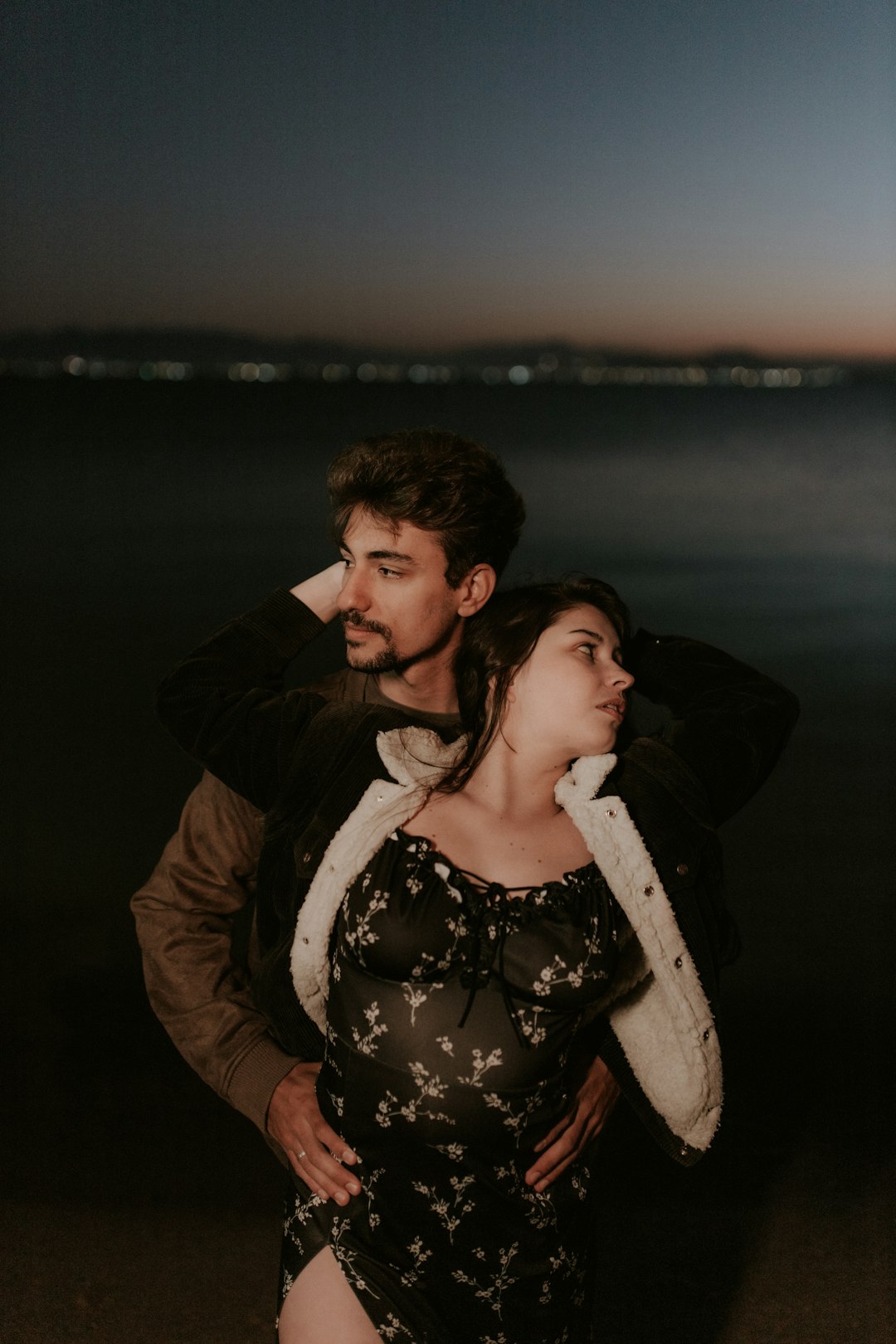
The Rhythm That Crossed Continents and Landed in Iowa
There's a moment in every Cumbia class when the drums kick in and something clicks. Your hips start moving before your brain gives permission. Your feet find a rhythm you didn't know you had. And suddenly, a dance born on the Caribbean coast of Colombia feels like it was made for a Tuesday night in Franklin City, Iowa.
That moment is why Cumbia is quietly exploding across the Midwest.
What Makes Cumbia Different From Everything Else
Forget what you think you know about partner dances. Cumbia doesn't demand the precision of ballroom or the athleticism of salsa. It asks for something simpler — that you listen to the music and let your body respond.
The basic steps are deceptively easy. You're essentially walking in a circle, shifting your weight, letting your hips do the talking. But here's the thing: that simplicity is what makes it so addicting. There's always another layer to unlock. A shoulder roll here. A syncopated pause there. The difference between a beginner and an intermediate dancer isn't complexity — it's how deeply they've internalized the rhythm.
Where to Train in Franklin City
Franklin City's Cumbia scene is small but genuine. Three spots stand out.
Franklin Dance Academy runs the most structured program. Their instructors actually trained in Latin America, and it shows. They teach Cumbia the way it's taught in Colombia — rooted in musicality, not just choreography. Classes split by level, so you won't be thrown into a turn pattern you're not ready for.
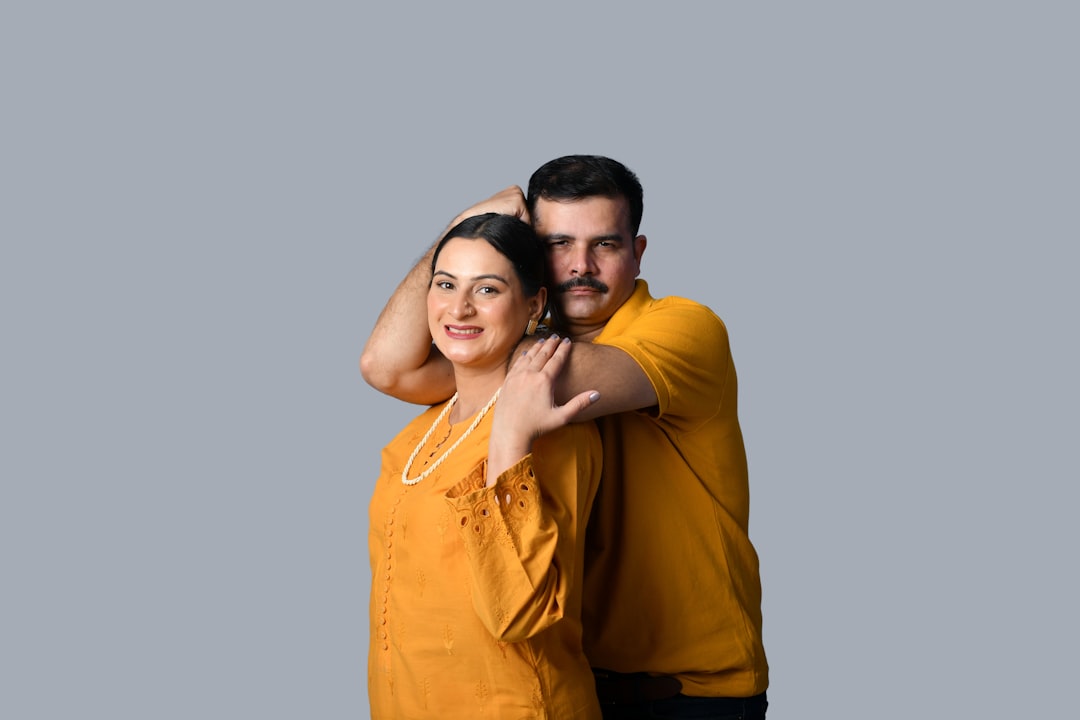
The Community Center workshops take a different approach. These are drop-in sessions, no commitment required. You'll find retirees next to college students, couples on date nights alongside solo newcomers. The vibe is warm and zero-pressure. If you just want to move and laugh and sweat, this is your spot.
Latin Groove Studio sits somewhere in between. They run a dedicated Cumbia track that builds week over week, but they also host monthly socials where you can practice what you've learned with real people, not just mirrors.
What Your First Class Actually Looks Like
You'll start with a warm-up that doubles as a rhythm lesson. Expect to clap, stomp, and isolate body parts you forgot you had. Then your instructor will break down the caminada — the walking step that forms Cumbia's backbone. It looks easy. Your brain will tell you it's easy. Your feet will disagree for about twenty minutes.
By the end of class, you'll string together a few moves and probably surprise yourself. Nobody's judging. Everyone remembers their first time feeling ridiculous.
Four Things That Actually Help
Show up regularly. Twice a week is the sweet spot — enough to build muscle memory without burning out. Wear shoes that let you pivot (running shoes grip too hard). Drink water like you mean it. And honestly? Leave your self-consciousness at the door. The dancers who improve fastest are the ones who look goofy and don't care.
More Than Steps on a Floor
What surprised me most about Franklin City's Cumbia community wasn't the dancing — it was the people. The socials feel like block parties. Someone's always bringing food. Someone's always dragging a nervous friend onto the floor. There's a generosity in Cumbia culture that doesn't exist everywhere.
Local festivals have started featuring Cumbia performances, and a few dancers have even traveled to Chicago and Minneapolis for larger events. The network is growing, one beat at a time.
Your Move
Cumbia doesn't care about your age, your experience, or your coordination level. It cares that you showed up. Franklin City has the teachers, the spaces, and the community — all that's missing is you stepping onto the floor.
And trust me: once you feel that first bassline move through you, there's no going back.