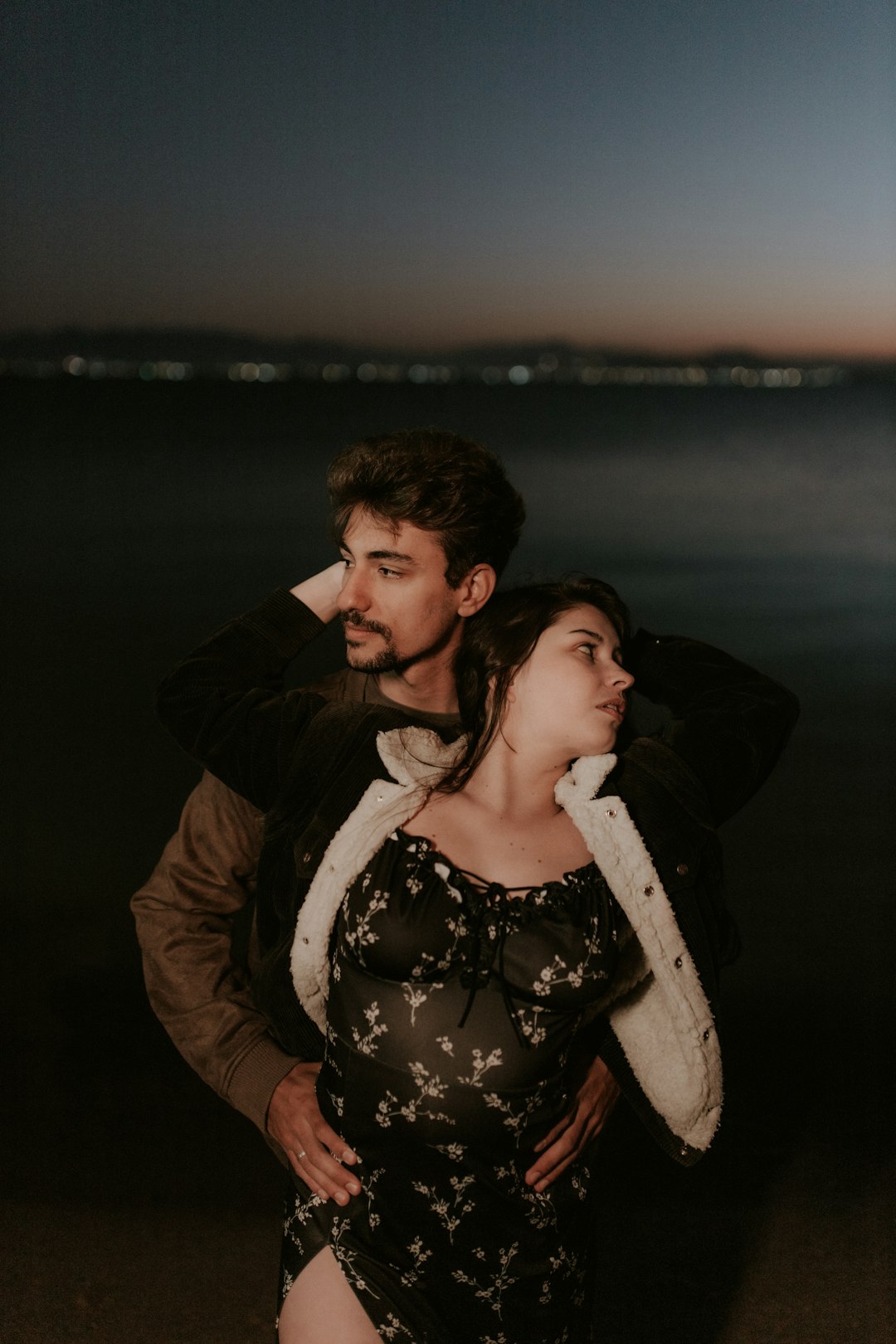
The rhythm pulled me in before I even knew what was happening
I was at a friend's backyard party in Loxahatchee Groves last summer when someone cranked up a cumbia track. Within seconds, half the yard was moving — hips swaying, feet shuffling in that signature two-step pattern, hands waving like they were conducting an invisible orchestra. A woman in her sixties was dancing with a teenager. Neither seemed to care about the age gap. The music had erased it.
That's the thing about cumbia. It doesn't ask permission. It just grabs you.
And if you live in or around Loxahatchee Groves, you've got more options to learn this Colombian-rooted dance than you might realize. I spent a few weeks checking out what's actually available — not the polished marketing copy, but the real experience of walking through these doors.
Groves Dance Academy: Where technique meets tradition
This is where the serious students tend to land. Groves Dance Academy runs cumbia classes across multiple levels, and their instructors don't just teach footwork — they explain why the movements exist. One teacher I spoke with traced the cumbia's circular motion back to the shackles worn by enslaved Africans in Colombia. That historical weight gives every step a little more meaning.
The studio itself is spacious. Wide floors, good lighting, mirrors on every wall. If you've ever tried learning choreography in a cramped room with fifteen other people bumping elbows, you'll appreciate the breathing room here.
They offer both group sessions and workshops that focus on specific skills — like mastering the cumbia zapateada footwork or learning to lead and follow without verbal cues. Pricing sits in the mid-range for the area, and they'll let you drop in on a class before committing.
Tropical Rhythms: The social butterfly's paradise
Tropical Rhythms feels less like a school and more like a neighborhood hangout that happens to have incredible instructors. The vibe is warm and unpretentious. I watched a Saturday afternoon class where couples practiced alongside solo dancers, and everyone swapped partners every few minutes. No cliques, no attitude.
What makes this place stand out is their calendar. They host dance socials roughly twice a month — think live DJs, dimmed lights, and a floor full of people actually using what they've learned. It's one thing to nail a cumbia turn in a classroom. It's another to execute it while a real crowd swirls around you and the bass is rattling your ribcage.
Families love it here too. They run parent-kid sessions on Sunday mornings that are chaotic in the best possible way.
Latin Vibes: For those who want to go deep
Latin Vibes attracts a different crowd — people who aren't content with just learning the basics. Their cumbia curriculum is structured almost like a university program. You progress through levels, and each one introduces more complex timing, body isolations, and partner work.
The instructors here have competition backgrounds. One had danced professionally in Medellín before relocating to South Florida, and her classes carry that authentic Colombian flavor that's hard to replicate. She doesn't just demonstrate — she breaks down the feeling behind each movement. "Your hips should respond to the drum, not your brain," she told a class I observed. The room laughed, but everyone's hips loosened up immediately.
Private lessons are available and surprisingly reasonable. If you've got a wedding coming up or you just learn better one-on-one, it's worth inquiring. They also run intensive weekend bootcamps a few times a year for people who want rapid progress.
Groves Community Center: No frills, all heart
Not everyone wants a polished studio experience. Some folks just want to show up, move their body, and go home happy. The Groves Community Center gets that.
Their cumbia classes are drop-in friendly and cost a fraction of what the private studios charge. The instructors are volunteers — local dancers who genuinely love sharing the art form. Classes skew casual, but don't mistake casual for sloppy. I sat in on a beginner session and watched the teacher patiently work with an older gentleman who kept mixing up his left and right. By the end of the hour, he was gliding across the floor with a grin that could've lit up the parking lot.
The community center also throws occasional dance nights, usually on Friday evenings. They're family-friendly, BYOB-friendly, and the playlist bounces between cumbia, salsa, and merengue. It's the kind of place where you might arrive knowing nobody and leave with three new friends.
So which one's right for you?
Here's my honest take: if you're brand new to cumbia and just want to test the waters, start at the community center. Low pressure, low cost, high warmth. If you catch the bug — and you probably will — graduate to Groves Dance Academy or Tropical Rhythms for more structured learning. And if you're the type who obsesses over technique and wants to dance like the Colombians do, Latin Vibes will push you further than you thought possible.
The common thread across all four? Nobody's judging you. Cumbia has always been a dance of the people — working-class origins, communal spirit, no prerequisites except the willingness to move. Loxahatchee Groves has somehow preserved that ethos across every studio and classroom I visited.
One piece of advice: wear shoes you can pivot in. Sneakers grip too hard. Flip-flops are a disaster. Something with a smooth sole — even old dress shoes — will make your first class dramatically more enjoyable.
The music's already playing. All you have to do is walk in.