---
I still remember my first flamenco class. Twenty-something dancers in a bright studio, all of us shuffling our feet like confused cats while the instructor shouted "¡Más arriba! ¡Más vivo!" I had no idea what any of it meant. I just knew my feet hurt and I was completely hooked.
That's the thing about flamenco—you don't choose it. It chooses you.
What You're Actually Getting Into
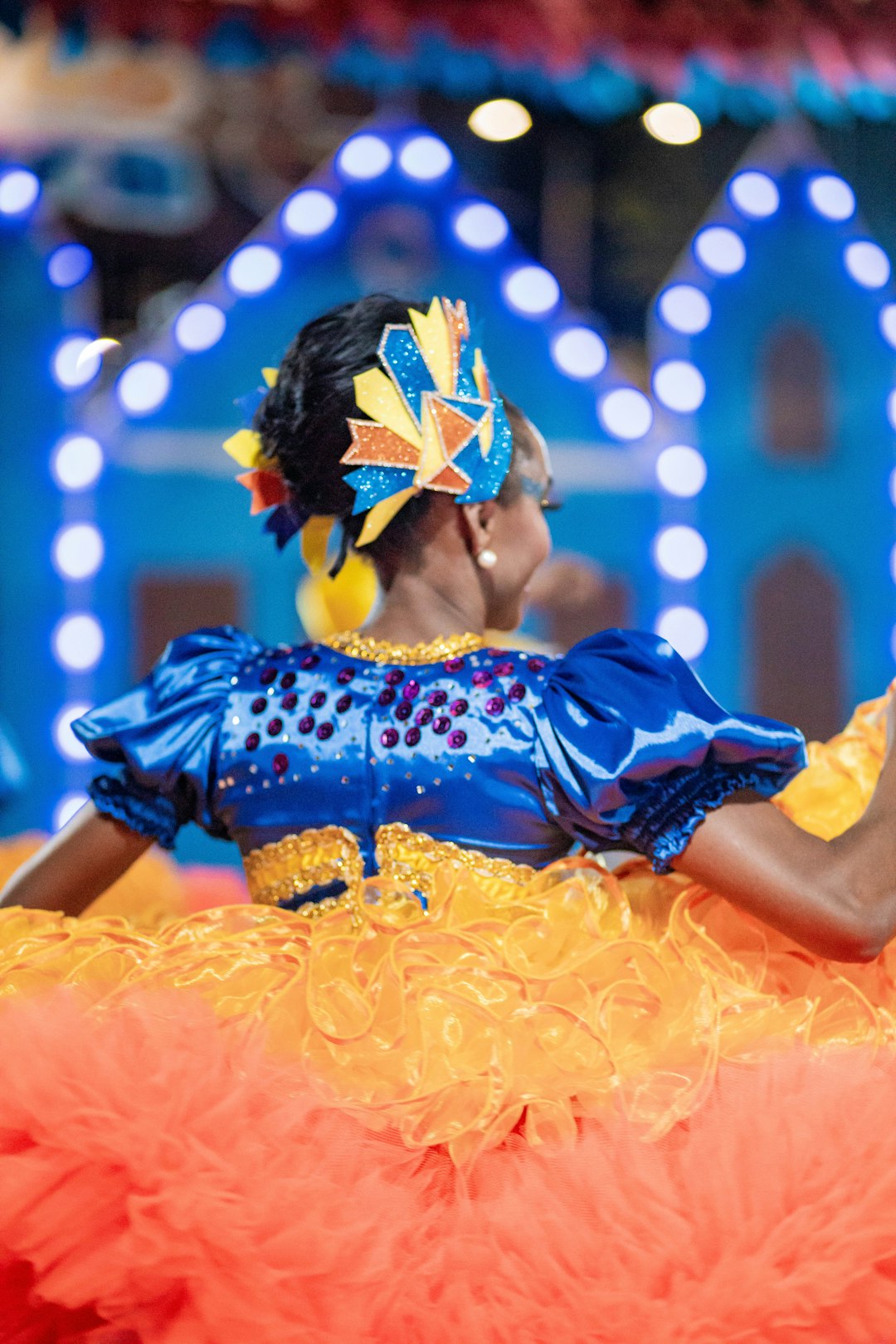
Forget everything you've seen in videos of swirling dresses and fiery performers. The real starting point is messier, quieter, and way more human. Flamenco, at its core, is about three things connecting: the singer, the guitarist, and the dancer. As a beginner, you won't be doing all three (thankfully), but understanding that connection changes how you move. You're not just stamping your foot—you're answering a question the music is asking.
Start by just listening. Put on some Sevillanas recordings while you're cooking or commuting. Notice how your body wants to sway. That's flamenco teaching you before anyone else does.
Finding Your People
Here's where most people get stuck: they think they need to find the "perfect" studio first. You don't. You need to find a teacher who explains things clearly and a class with actual beginners in it—not a advanced workshop that'll make you feel like you're drowning on day one.
Check community centers, local dance studios, and yes, YouTube has solid instructors if you're remote or stubborn like me. What matters is consistency. One hour a week for three months beats four hours one weekend and then forgetting about it entirely.
The Moves That Actually Matter
Forget complex choreography for now. What you need is:
- **Zapateado** — that foot-stomping that makes you feel ridiculous at first but creates the heartbeat of flamenco. Practice on a pillow if your neighbors complain.
- **Arm phrasing** — your arms tell a story while your feet keep time. Start with just raising your arms like you're about to embrace the sky.
- **The posture** — shoulders back, chest open, weight forward. It feels unnatural at first because we're all hunched over phones. Fight that.
Don't try to absorb everything at once. Pick ONE thing and drill it until it stops feeling weird. Then add the next.
Why Sevillanas Specifically
Among all the flamenco styles—Tangos, Alegrías, Bulería—why start with Sevillanas? Because they're predictable in the best way. They follow a clear structure: three parts, each with repeating patterns. The music is bright and cheerful. You can learn a whole dance in weeks, not months.
Plus, they're the foundation. If you ever go to Seville (and you should), you'll see locals dancing Sevillanas at festivals, weddings, Random Tuesdays. It's the Spanish equivalent of people randomly breaking into dance at a party—except it's always happening.
The Middle Is Where Most People Quit
I'm not going to pretend the learning curve is gentle. There's a phase—usually around month two or three—where you've learned enough to feel awkward but not enough to feel good. Your zapateado sounds like thunder in a quiet room. You forget the arm movements the second the music starts.
This is the messy middle. Everyone hits it. Everyone wants to quit right then. The secret is simple: keep showing up. The breakthrough usually comes when you're not expecting it.
What No One Tells You
The footwork gets addicting. Once you nail a clean zapateado, you'll find yourself tapping on kitchen tiles, bathroom floors, anywhere you can make noise. Your neighbors will learn more Spanish than they wanted to.
And the emotional part sneaking up on you—we're all there for the technical stuff at first, but then one day you'll be mid-dance and realize your chest feels strange. Not bad. Just... full. That's the cultural weight of centuries hitting you. Flamenco isn't just steps. It's grief and joy and defiance and celebration, all happening in three minutes.
Getting Lost (In a Good Way)
Once Sevillanas feels solid, the rabbit hole opens wide. Tangos has a different energy—heavier, more powerful. Alegrías is all about lightness and brightness. Bulería is the rebellious sibling where everyone shows off.
But don't rush it. Stay with Sevillanas until they feel like breathing. Until your feet know where to go without you thinking about it. That's when you're ready for more.
And honestly? Even then, come back to Sevillanas. They're never really "done."