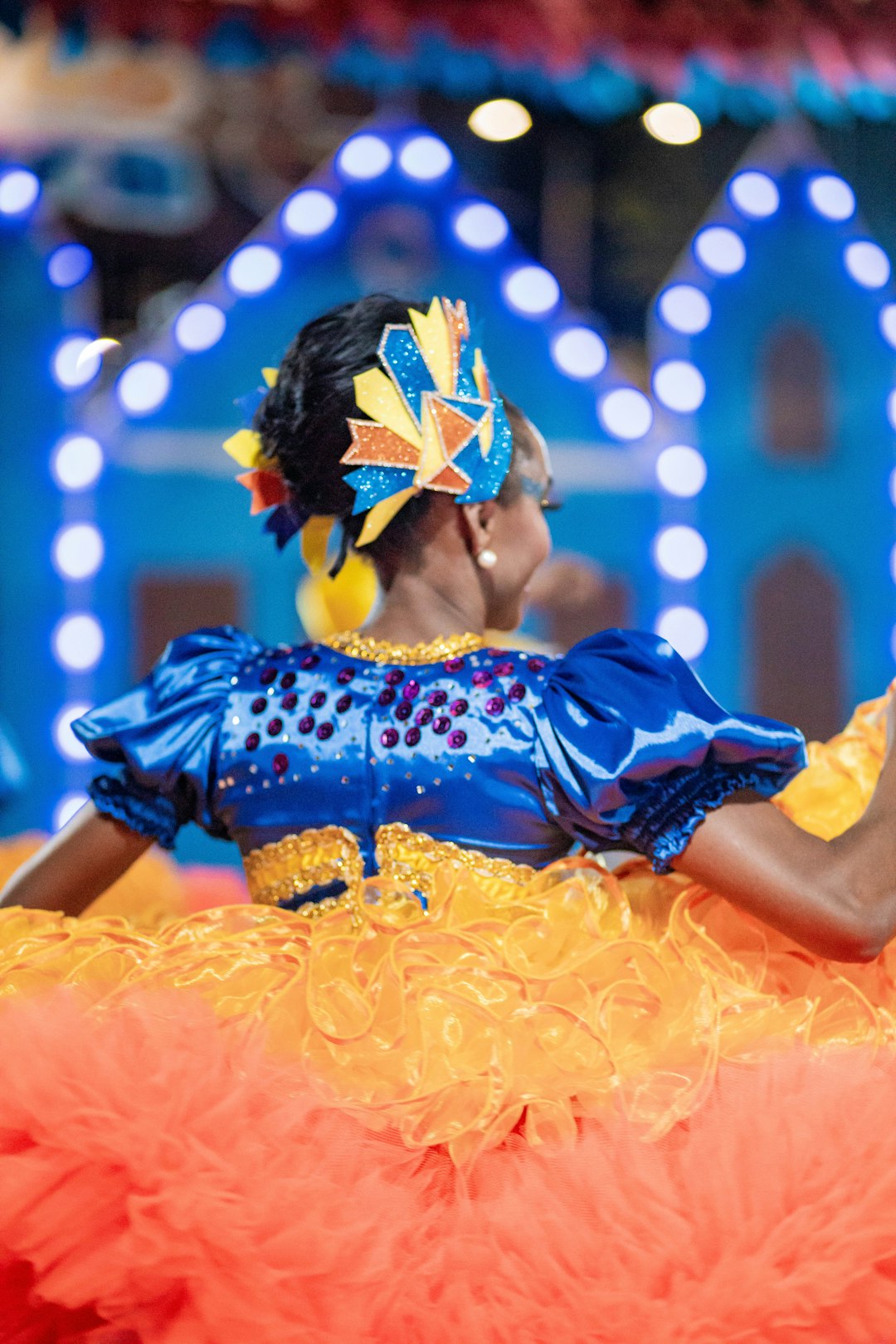
The first time I watched people dance Sevillanas at a village fair in Carmona, I had no idea what I was seeing. Couples moved in wide, confident circles, hands occasionally meeting in gentle contact, feet striking the wooden floor in crisp, syncopated rhythms that echoed off the whitewashed walls. An old woman beside me tapped her folded fan against her palm in perfect time. Nobody was watching the dancers — everyone was part of it. And within twenty minutes, a stranger had pulled me into the circle and I was shuffling along, completely lost, grinning like an idiot.
That's the thing about Sevillanas. You don't need to understand it to feel it.
What Makes Sevillanas Different
Flamenco carries a reputation for being intimidating — years of technique, a stoic demeanor, the weight of centuries pressing down on every brace of the shoulders. Sevillanas throws all of that out the window. It's the most accessible entry point into flamenco culture, a style rooted in celebration rather than sorrow. Where flamenco's deep styles like soleá carry profound emotional weight and demand real technical command, Sevillanas exists to be joyful. You dance it at weddings, ferias (the great annual festivals across Andalusia), and birthday parties. You dance it with your aunt, your coworker, your landlord.
The dance itself follows a four-part structure, each part with its own character and rhythm. The first part unfolds slowly, almost hesitantly, like two people meeting and sizing each other up. The second part picks up energy, feet beginning to stamp with more conviction. By the third and fourth parts, you're moving with the music, the choreography building toward something that feels almost like resolution — and then you start over. Most Sevillanas songs repeat this cycle two or three times, which means once you learn the pattern, you can stay on the floor for the whole song without panicking.
Getting Started Without Looking Foolish
Here's the honest truth: you will look a bit foolish your first few times. Everyone does. The woman who taught me my first Sevillanas steps told me this outright, laughing, and I respected her for it. The secret is that nobody at a real evento is judging you. They're either dancing themselves or they were beginners once.
That said, there are a few things you can do before you set foot on a dance floor that will save you a lot of stumbling.
Learn to listen first. Sit with Sevillanas music for a while before you worry about your feet. María José León's versions are clean and clear, perfect for beginners trying to hear the rhythm. Close your eyes and tap your knees — palm, palm, silence, stomp — and you'll start to feel where your body wants to move. Your feet will follow.
Find your palmas. The handclapping isn't decorative. It anchors the rhythm for the dancers, and learning to clap in time gives you an immediate relationship with the music. Start simple: a slow clap on every beat, then try clapping on the off-beats once that feels natural. When you can do both without thinking, you've built a foundation most beginners skip entirely.
Watch couples in person whenever you can. There's a subtlety to the way partners communicate through Sevillanas — the slight lean, the guiding hand, the way one dancer signals a turn before it happens. YouTube tutorials show you steps, but live Sevillanas shows you the conversation. The annual Feria de Abril in Seville is the obvious dream, but many cities with Spanish communities hold their own events throughout the year.
Your First Footwork: Three Things That Actually Matter
Forget complicated footwork patterns for now. Three things will carry you further than any sequence:
The stamp is everything. Not a stomp — a controlled, decisive strike where your heel meets the floor and your foot rolls flat. Flamenco shoes help enormously here (they're designed so you can hear the sound clearly), but you can start in any hard-soled shoe. The sound is part of the performance, not an afterthought.
The weight transfer between steps needs to be deliberate. In Sevillanas, you're rarely standing still. Your body is in constant gentle motion — shifting, swaying, responding. Beginners tend to lock their hips and look stiff. Let your torso move independently from your hips a little. It feels strange at first, then it starts to feel like dancing.
The posture matters more than any individual step. Shoulders back, chest lifted, chin parallel to the floor. Flamenco teachers will tell you this constantly and you're going to ignore it until you see yourself on video, at which point you'll understand immediately. Good posture doesn't just look elegant — it makes your footwork sound cleaner and your arm movements more expressive.
What Nobody Tells You About Learning Sevillanas
You will plateau. For about two to three weeks, you'll feel like you're making no progress at all — the steps feel clumsy, the music feels too fast, you keep dropping your partner's hand at the wrong moment. This is normal. It happens to everyone. Push through it. Something clicks somewhere around week four, and suddenly the rhythm starts living in your body instead of just your head.
Also, Sevillanas rewards specificity. Once you know the basic structure, focus on one thing at a time: your posture for a week, your palmas the next, your footwork the week after. Trying to fix everything simultaneously leads to nothing improving.
The Reason You Should Start This Week
I want to be specific with you, because this isn't just about learning steps. Sevillanas is a social practice — it exists because people dance it together, at parties, in the streets, under the strings of colored lights at a fair. When you learn to dance it, you're not just adding a skill. You're getting access to a community and a tradition that has survived for centuries precisely because it belongs to everyone who shows up and moves.
That stranger in Carmona who pulled me into the circle didn't care that I'd never danced before. She just smiled, counted the rhythm out loud, and moved. Within thirty seconds, I was part of something. That's still my favorite thing about Sevillanas. You don't have to be ready. You just have to be there.
So put on some music. Stamp your foot. See how it feels.