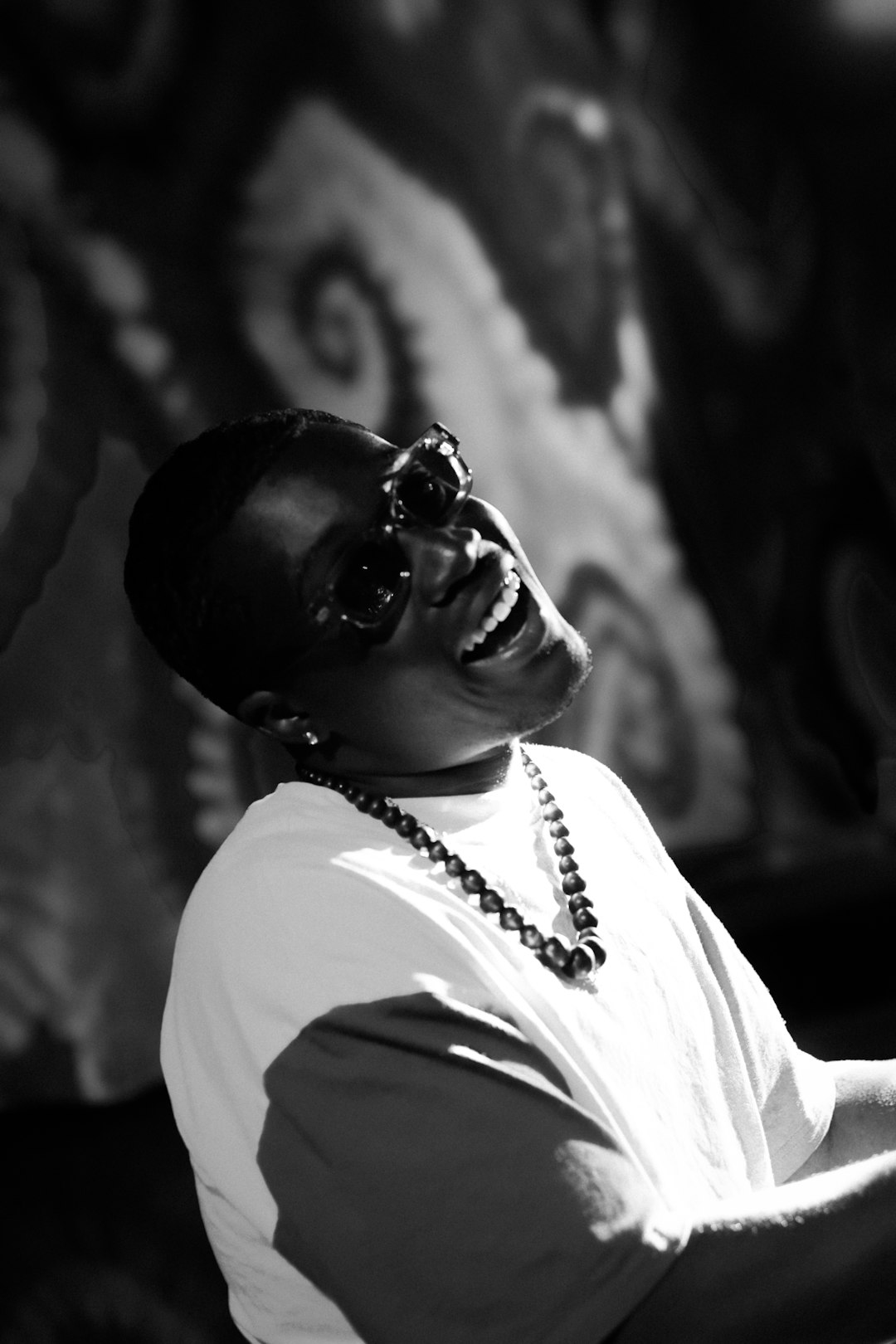
You know that dancer. The one who catches the trumpet's sneer in their shoulder drop, who hits the break so clean the whole floor inhales at once. You've stood at the edge of the room, water bottle in hand, watching them ride a swing-out like they saw the wave coming three bars before it arrived. You go home and count your basics, wondering what secret they know.
It isn't one secret. It's a hundred tiny rebellions against "good enough."
Stop Collecting Steps, Start Collecting Moments
Most dancers hit a plateau that feels like a wall. You know all the moves — swing-out, circle, Charleston, tandem — but somehow the dance still feels like a vocabulary test. That's because sophisticated Lindy Hop isn't a bigger bag of tricks. It's learning to forget the tricks while your body keeps them.
Watch old footage of Frankie Manning at the Savoy. He isn't executing. He's reacting. That looseness came from dancing to live bands five nights a week, from competitions where the prize was a cake or a bottle of whiskey, from a culture where the dance was a release, not a performance. You don't have to live in 1938 Harlem, but you do have to understand that the dance was born in a room where people showed up raw and left lighter. Carry that intention onto the floor. It changes your weight before your first rock-step.
Listen to the Horn, Not Just the Metronome
Musicality isn't the cherry on top. It's the whole sundae, and most people are eating plain ice cream.
Here's a trick that changed my dancing: pick one instrument and make it your boss for the whole song. Let the clarinet guide your footwork for thirty-two bars. When the trombone slides, let your hips answer. When the drummer drops a bomb on two and four, let it rattle through your core instead of just hearing it in your ears. You'll look like you're hijacking the band's conversation — because you are.
Syncopation isn't math. It's mischief. Throw a delayed triple-step. Hang back on the one. Make the rhythm breathe the way the bass player does when they've been holding the same walking line for five minutes and suddenly decide to wake everyone up.
Your Body Is a Radio, Not a Robot
Good posture in Lindy Hop isn't ballet straight. It's athletic readiness. Core engaged, sure, but your shoulders should hang loose like you just took off a heavy backpack. Your knees should feel springy, like you're about to jump for a frisbee. The best dancers look like they could change direction mid-air.
Spend time on the weird stuff. Body waves across the floor. Hip isolations that make you feel ridiculous in front of the mirror. The more you map where your body is in space, the more you can throw it around without panic. One night, during a fast song, you'll find your torso twisting on a beat you normally would've straightened up for. That twist? That's yours now. Keep it.
Connection Is a Dialogue, Not a Dictatorship
In beginner classes, leads push and follows react. Sophisticated dancing is messier and more beautiful.
Think of the lead-follow relationship like driving a car together where both people have a steering wheel. The lead suggests a direction, but the follow can swerve for a pothole, take a scenic detour, or suddenly stomp the gas. The magic lives in that negotiation. Lighten your frame until you can feel your partner's pulse through their hand. When they stretch the timing, stretch with them. When they add a pop on the exit, answer it.
Dance with strangers. Dance with beginners. Dance with that person whose style annoys you. Every different connection teaches your body a new dialect of the same language.
Steal Something, Then Make It Unrecognizable
Your style isn't discovered in a workshop. It's assembled in the dark, like a jazz standard played by a musician who can't read sheet music.
Take a move from a YouTube clip. Warp it. Change the footwork. Add a hand flick you saw a tap dancer use. Combine two things that don't belong together and make them fight until they get along. I once saw a lead exit a swing-out with a brief Michael Jackson toe-stand. It lasted half a second. It was absurd. It was perfect. That was his.
Record yourself. Not to criticize — to notice. You'll catch gestures you didn't know you had, habits that are actually signatures. Lean into the weird ones.
The Obsession That Doesn't Feel Like Work
There's no finish line. That's the good news.
The dancers you admire aren't practicing because they have discipline. They're practicing because they're slightly unhinged about it. They listen to Count Basie on the subway. They shadow-step in grocery store lines. They have a notebook of songs with timestamped breaks. This isn't homework. It's becoming the kind of person who can't hear music without moving.
Show up to the social dance when you're tired. Dance the slow song that scares you. Stay for the last set when the band is sweaty and taking risks. That's where your style gets forged — not in the perfectly planned practice session, but in the messy, glorious moments when the music demands something you didn't know you had.
The floor is waiting. Stop preparing and start talking back to the horn.