On a rainy Tuesday evening in Leeds, 34-year-old software developer Marcus Chen stands barefoot in a church hall, surrounded by people he has never met. A choreographer asks the group to mirror each other's movements without speaking. Within twenty minutes, Chen—who has not danced since a school disco—finds himself laughing with a retired nurse and a university student as they collapse into an unplanned, three-bodied heap on the floor.
"I came because I was lonely," Chen says later. "I didn't expect to feel seen."
His experience is not unique. Across cities from Leeds to Lagos, community contemporary dance programs have reported surging demand since 2022, with many beginner classes carrying waiting lists for the first time in years. Something is shifting. In an era of chronic isolation, algorithmic entertainment, and frayed social trust, contemporary dance is being reclaimed not primarily as performance art but as infrastructure for connection.
The Problem Dance Is Quietly Addressing
The post-pandemic mental health landscape has been well documented. In 2023, the World Health Organization reported that rates of anxiety and depression among young adults remained 25% above pre-2020 levels in many regions. Less examined is the crisis of social health: the atrophy of our capacity to be physically present with strangers, to improvise together, to tolerate vulnerability in shared space.
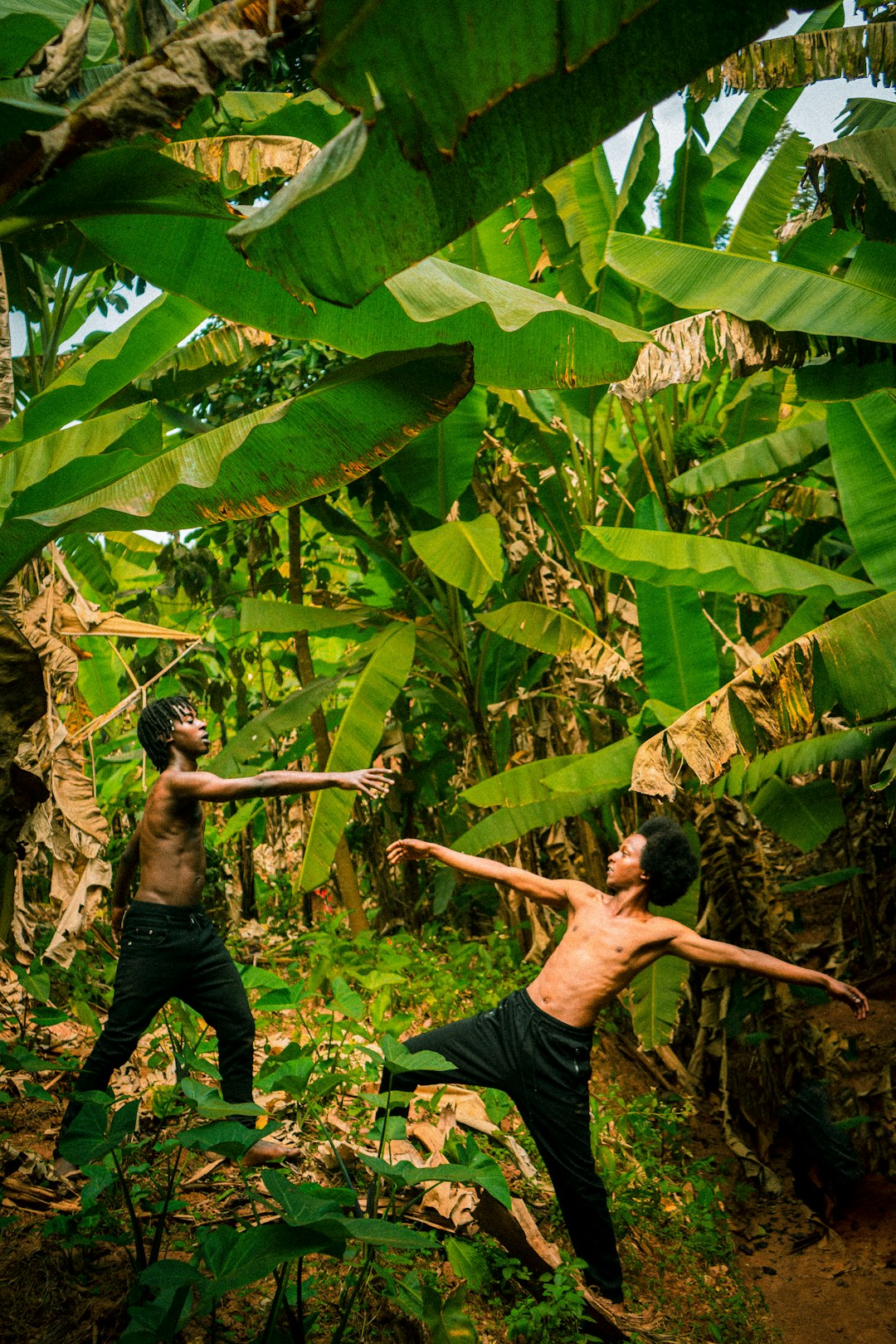
Contemporary dance, with its rejection of rigid technique and its emphasis on individual interpretation, has become an unlikely corrective. Unlike ballet or ballroom, it does not demand years of training. Unlike gym culture or team sports, it privileges collaboration over competition. The form's defining feature—its openness to any body, any movement vocabulary—makes it structurally democratic.
"The studio becomes a temporary society," explains Dr. Sara Houston, a researcher at the University of Roehampton who has studied participatory dance and social cohesion for over a decade. "People negotiate space, timing, and meaning together. Those skills transfer."
What These Programs Actually Look Like
Concrete examples belie the abstraction.
Dance Exchange, based in the United States, has run community residencies since 1976 in which professional choreographers collaborate with local participants—seniors, scientists, dockworkers—to create works rooted in their lived stories. Participants do not merely take class; they co-author performances that premiere in their own towns.
In the UK, Candoco Dance Company has expanded its community arm to include mixed-ability workshops where disabled and non-disabled movers devise choreography together. The company reports that 89% of community participants in its 2022–2023 programs said they had formed lasting friendships through the work.
These are not recreational afterthoughts. They are deliberately structured social experiments. Participants learn to read nonverbal cues, to adjust to unexpected choices, to support weight—literal and metaphorical. The body, as Martha Graham once wrote, "says what words cannot." Contemporary dance organizes that bodily communication into sustained, creative encounter.
Why Contemporary Dance—and Why Now?
The timing matters. Our social lives have been flattened by screens. We scroll through performances rather than inhabit them. We consume culture in isolation and comment asynchronously. Contemporary dance demands the opposite: real-time, full-body, co-present engagement.
There is also a political dimension. In polarized societies, shared physical practice across difference becomes quietly radical. A 2023 study published in Frontiers in Psychology found that participatory arts programs significantly reduced intergroup anxiety among participants from conflicting backgrounds. Dance was among the most effective modalities, outperforming discussion-based interventions.
"The risk is built in," says Houston. "You are visible. You cannot hide behind a statement or a screen. That exposure, in a well-held space, builds trust faster than almost anything else I have studied."
The Barriers That Remain
This is not to suggest that community dance has solved its own accessibility problems. Cost, location, and cultural perception still exclude many. Working-class communities, rural populations, and men over thirty remain underrepresented in most programs. The very studios celebrating inclusivity often operate in gentrified city centers, their marketing coded toward the already arts-engaged.
Some organizations are responding. Subsidized "pay-what-you-can" models are spreading. Outdoor and site-specific work is reaching audiences who would never enter a traditional theater. In Lagos, the Q Dance Company has begun offering free community classes in public markets, drawing traders and passersby into improvised sessions that dissolve the boundary between artist and public.
The challenge now is scaling these successes without losing their intimacy.
An Invitation with a First Step
Contemporary dance is not about aesthetic perfection. It is about the negotiation of presence. The connections forged in these spaces often extend beyond the studio—into friendships, professional collaborations, and altered relationships with one's own body.
If you are curious, the barrier to entry is lower than you might assume. Search "community contemporary