You've been there. Halfway through a développé, and your leotard decides to ride up like it's trying to escape. Or that beautiful chiffon skirt you bought online? It bunched around your hips during floor work and stayed there, turning you into a fabric burrito instead of a floating angel.
Lyrical dance is all about losing yourself in the music. The last thing you need is your costume screaming for attention while you're trying to tell a story. I've watched dancers nail the technical elements but look strained because they're secretly adjusting a strap or fighting a seam. The right dancewear shouldn't be a hurdle you clear before the choreography starts—it should disappear entirely.
Start With Fabric That Forgets You're Wearing It
Lyrical movement lives in the transitions. A reach becomes a fall, a fall becomes a recovery, and nowhere in that chain do you want to think, "Can I actually lift my leg in this?"
Skip the cotton blends that hold sweat like a grudge. You want materials with memory—spandex that springs back, nylon that breathes, maybe a touch of microfiber that feels cool against your skin during that emotionally charged final eight-count. Last spring, I wore a four-way stretch piece to a showcase, and the difference was ridiculous. For the first time, I wasn't mapping my choreography around my costume's limitations. I just danced.
The Leotard Test: Can You Raise Your Arms Without a Battle?
Here's my non-negotiable fitting room ritual: put the leotard on, reach both arms straight overhead, and hold for ten seconds. If you feel the shoulder straps digging in or the leg line cutting off circulation, put it back. Immediately.
Lyrical leotards need to feel like a second skin, not a compression chamber. Look for styles with wider straps if you need support during partner lifts, or a built-in shelf bra if you're tired of layering. Color-wise, I've always gravitated toward deep burgundies and dusty blues—they catch stage lights without blinding the audience. But I've also seen a dancer absolutely demolish a contemporary piece in stark white. The shade matters less than the fit. If it doesn't feel like yours, the audience can tell.
Skirts That Speak When You Do
Not every lyrical piece needs a skirt, but when the choreography calls for one, it should add poetry, not panic.
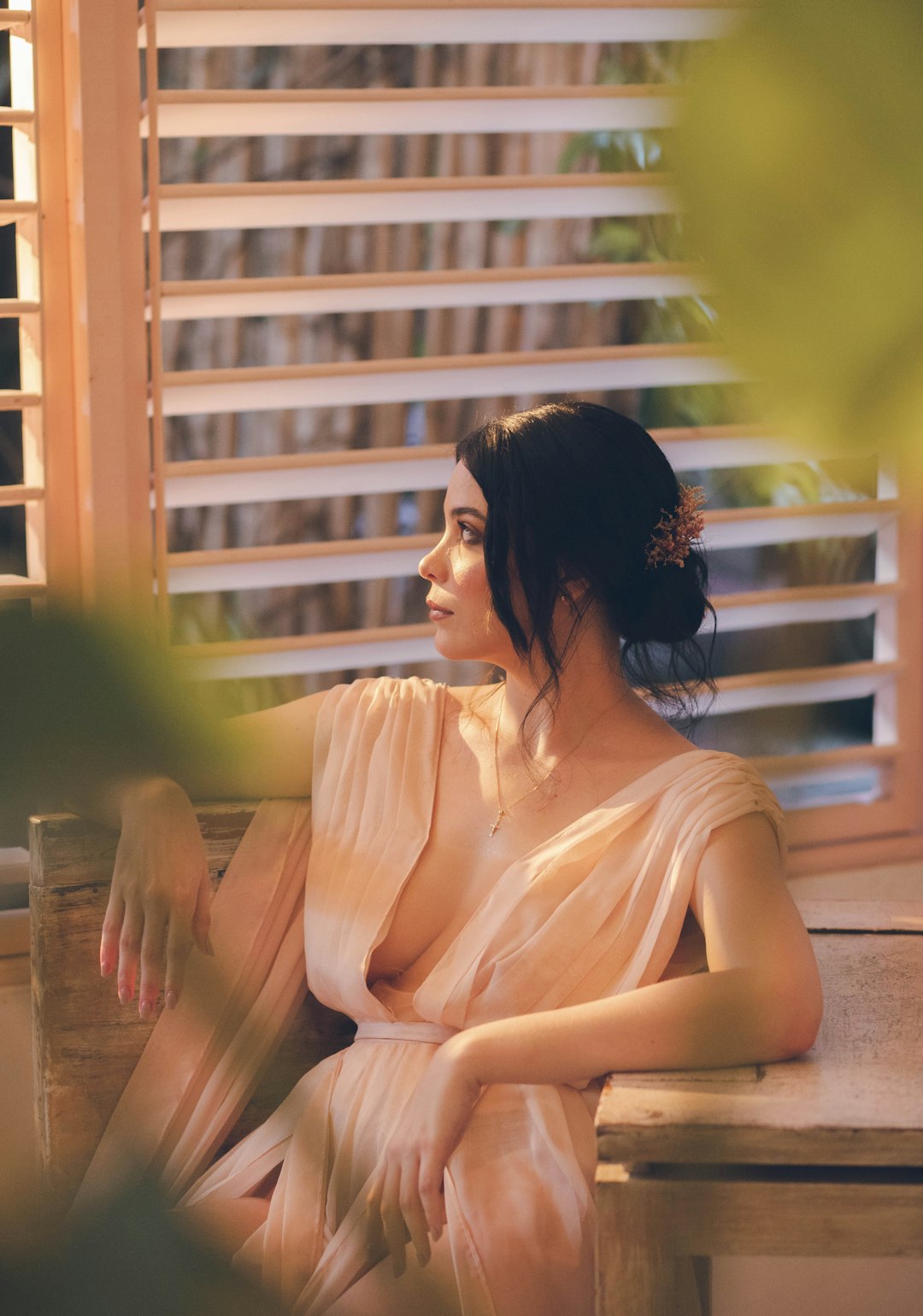
Chiffon is the obvious darling here, and for good reason—it floats on air currents you didn't even know existed. But layer it thoughtfully. A skirt with too much tulle underneath will work against you during grounded floor work, twisting and bunching like a determined enemy. I learned this the hard way during a performance of "Jar of Hearts" when my triple-layered skirt decided to camp out around my waist during the bridge.
For rehearsals, I keep a simple wrap skirt in my bag. For performances, I look for cuts that hit mid-thigh or slightly above. Long enough to create illusion when you turn, short enough that you won't trip when you run across the stage in that final triumphant moment.
The Barefoot Question (And When to Cheat)
Lyrical is one of the few dance styles where barefoot isn't just accepted—it's often preferred. You want that direct connection to the floor, the ability to grip and release, to feel the wood under your arches as you spiral down.
But studio floors can be brutal. If you're rehearsing six hours or dancing on questionable surfaces, a pair of flesh-toned lyrical shoes can save your soles. The good ones are basically foot gloves—soft leather or canvas, a split sole that lets your foot articulate, so natural that judges often can't tell you're wearing them from the audience. Try them on and point your foot. If you can see the outline of your toes straining against the material, they're too tight. You want a snug hug, not a python squeeze.
Accessories: The "Blink and You'll Miss It" Rule
Lyrical is not the genre for statement necklaces or chandelier earrings. I've seen too many promising performances undermined by a dancer fussing with a hairpiece that came loose during a turn.
If you need something in your hair—a small comb, a few pins with pearls—secure it like your life depends on it. Test it: do a chain of piqué turns in the dressing room. If it shifts, it won't survive your routine. As for jewelry, I wear nothing. Zero. The focus should be on the line of your arm, the expression on your face, the story unfolding in your torso. A bracelet catching the light is just a distraction you paid money for.
The Invisible Costume
The best lyrical dancewear doesn't get compliments. That sounds wrong, I know, but think about it: when was the last time you watched a breathtaking lyrical solo and thought, "Wow, what a great leotard"? You didn't. You thought, "She looked so free."
That's the goal. Your costume should reach a point of such perfect alignment with your body and your piece that it becomes invisible. I've had costumes I loved and costumes I tolerated, but the transcendent ones? They were the ones I put on and promptly forgot about. The music started, and there was only me, the story, and the movement.
So try this: the next time you're standing in front of the mirror in something new, close your eyes. Take a deep breath. Do a port de bras, a tilt, maybe a quick leap. Then open your eyes. If you're thinking about the dance and not the outfit, you've found it. That's your costume. Everything else is just fabric.