That Moment the Dress Starts Dancing for You
Picture this: a dancer steps onto the stage at a tablao in Seville. She hasn't moved yet — hasn't stamped a single compás — and the audience is already hooked. Her bata de cola pools around her feet like a river of crimson, catching the light as she breathes. Then she moves, and the fabric explodes into motion, a full second behind her body, creating this wild echo of sound and color.
That's not just fashion. That's part of the dance itself.
I've watched beginners show up to class in leggings and a tank top, and they do fine. But the first time one of them puts on a proper vestido de flamenco? Something shifts. The shoulders drop, the chin lifts, and suddenly there's intention in every step. The clothes don't make the dancer, sure — but they definitely unlock something.
The Dress That Speaks
The bata de flamenco isn't just a pretty costume. It's an instrument.
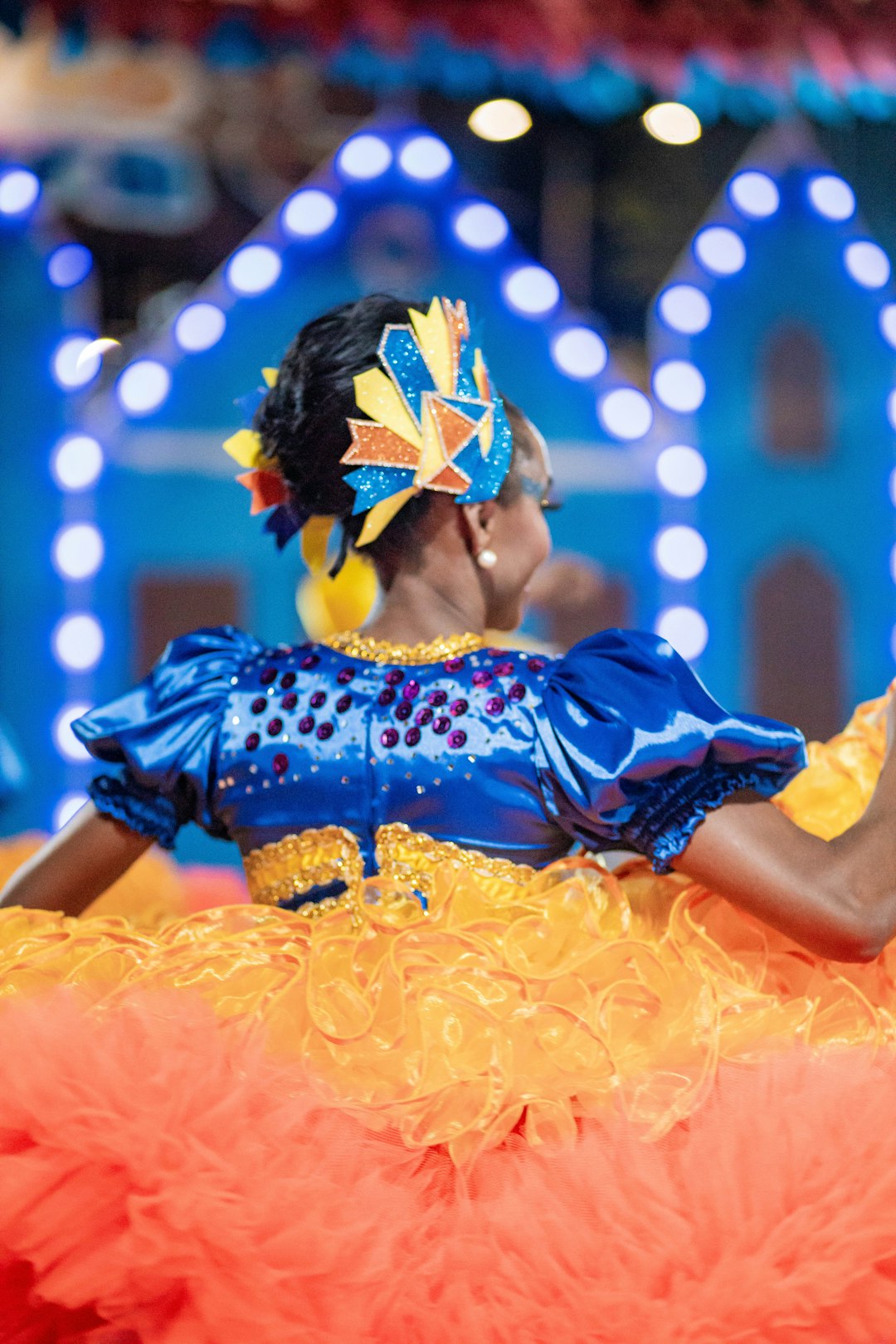
Those cascading ruffles — called volantes — aren't decorative fluff. When a dancer does a vuelta, the volantes spiral outward and create this gorgeous centrifugal effect that makes every turn look twice as dramatic. The fabric literally amplifies movement. A simple braceo looks elegant in a T-shirt; in a well-constructed bata, it looks cinematic.
Most serious performance dresses are built on structured bodices with steel boning, because you need the top half locked in tight while the skirt flows freely. Think of it like architecture — rigidity in the frame so freedom can happen everywhere else. The fabrics matter too: silk crepe for that liquid drape, wool gabardine for structured volume, or stretch velvet when you want something that moves like a second skin.
Color plays its own game. Black is eternal — it's slimming, dramatic, and lets the footwork command all the attention. Red is the classic showstopper. But I've seen dancers in deep teal, burnt orange, even pale blush pink, and when the color matches the dancer's complexion and the mood of the piece, it just works. The old rule about "stick to dark colors for stage" feels outdated. Pick what makes you feel dangerous.
The Jacket That Sharpens Everything
Not every flamenco look involves the chaquetilla, but when it does, the whole silhouette tightens. This cropped jacket — usually hitting right at the waist — adds structure and contrast to the flowing dress underneath. It's the visual equivalent of a sudden silencio in the music: a pause, a definition, a hard edge against softness.
A good chaquetilla is embroidered by hand, often with bullion thread or tiny seed beads. The best ones I've seen look almost military in their precision — every stitch deliberate, every curve of the embroidery following the lines of the body. Wearing one over a simpler dress can take a "nice" outfit and push it into "unforgettable" territory.
Shoes: Where Sound Is Born
Here's what nobody tells beginners: your flamenco shoes are the single most important piece of gear you'll own. More than the dress. More than the fan. The shoes are where technique lives.
A proper zapato de flamenco has a reinforced toe and heel — usually with nails or taps (called clavos) — that produce that crisp, percussive sound. The heel should be low and wide enough to balance on comfortably, but tapered enough to strike cleanly. You want a shoe that fits like a glove, because the moment your foot slides inside the shoe, your zapateado loses clarity.
I've seen dancers ruin performances with shoes that were too loose, too stiff, or — worst of all — too new. Break them in at home. Stamp on your kitchen floor. Walk to the grocery store in them. The leather needs to know the shape of your foot before you take it onstage.
The Fan: More Than a Prop
The abanico gets dismissed as a pretty accessory, and that's a mistake. In the hands of a skilled bailaora, a fan becomes a language.
A quick snap open — clack — announces defiance. A slow, deliberate flutter behind the fan's edge says something entirely different. The fan can hide the face, frame the eyes, slice the air during a sharp marcaje. Traditional abanicos are made from lacquered wood or bone with lace or silk panels, and they have a satisfying weight that makes each movement feel intentional rather than fussy.
Not every piece calls for a fan. But when the choreography demands one, you'd better know how to use it — because a dancer fumbling with a stuck fan mid-solo is the flamenco equivalent of a guitarist breaking a string.
Getting Dressed Without Losing Your Mind
If you're shopping for your first real flamenco outfit, here's the honest truth: budget more for shoes than for the dress. A stunning dress with bad shoes will sabotage you. Solid shoes with a simple skirt and fitted top can carry a whole performance.
For fabric, feel it before you buy. Run it through your hands. Does it move? Does it make sound when you flick it? A dress that's beautiful on the hanger but stiff as cardboard when you try a cambré is going to fight you for the entire show.
Fit matters more than you think. A flamenco dress should sit close through the torso — not squeezed, but secured — so the skirt can do its thing. Too loose up top and you'll spend the whole performance tugging at your neckline instead of focusing on your footwork. Get it altered if you need to. A €50 alteration on a €150 dress turns it into something that looks like it cost €500.
The Feeling You Can't Fake
There's a moment — and every flamenco dancer knows it — when you catch your reflection mid-performance and think, who is that? The dress is moving, the shoes are singing, your arms are painting shapes you didn't know you could make, and for a few seconds you're not thinking about technique at all.
That's what the right outfit gives you. Not vanity. Permission. Permission to be bigger, bolder, louder than you are in regular life. Flamenco has always been about channeling raw emotion through disciplined form, and the costume is the bridge between the two.
So yeah — what you wear matters. Not because anyone's keeping score on who has the prettiest dress. Because when you step into something that fits, that flatters, that moves the way you move, you stop performing and start dancing.
Now go stomp something.