Twenty minutes into my first professional performance, my beaded bra strap sliced into my shoulder so deeply I couldn't raise my arms for the drum solo. The audience saw a frozen smile; I felt trapped in my own costume. My outfit was stunning—and I was utterly miserable.
That night I learned what veteran dancers know: the most photographed costume in your closet means nothing if you can't breathe, shimmy, or finish your set. Comfort isn't a luxury in belly dance; it's the foundation that allows artistry to happen.
Why Discomfort Destroys Your Dance
Belly dance demands continuous torso articulation, rapid weight shifts, and sustained muscular engagement. Restrictive clothing doesn't just feel bad—it physically prevents the movement patterns that define the form. A too-tight hip belt locks your pelvic floor. An ill-fitting bra restricts chest lifts and drops. Heavy coin scarves throw off your center of gravity during turns.
Beyond mechanics, discomfort hijacks your mental focus. When you're adjusting, tugging, or bracing against pain, you're not present in your music or your audience. The dancers who captivate rooms aren't suffering silently; they're so at home in their bodies that technique becomes invisible.
Common Comfort Pitfalls by Garment Type
Understanding how specific pieces fail helps you shop smarter and modify what you own.
Hip Belts and Coin Scarves Weight matters more than beginners realize. For sets longer than ten minutes, limit loaded hip pieces to 1.5–2 pounds maximum. Heavier belts fatigue your obliques and compress your lower back. Check that coin edges don't snag base layers—velvet and loose knits are especially vulnerable. For practice, consider lightweight chiffon hip scarves with minimal beading.
Bra Tops and Bedlah Bases Test coverage during full arm raises and chest expansions. Many decorative bras gap at the underarm or center front during movement. Beaded fringe should clear your skirt's embellishments; catching fringe mid-performance is a common malfunction. For larger busts, look for wide straps (minimum 1 inch) and three-hook closures rather than single ties.
Skirts Full-circle cuts allow hip work visibility for audiences and freedom for your technique. Straight skirts, popular in some fusion styles, restrict figure-8s, mayrides, and large hip circles. If you prefer fitted silhouettes, ensure substantial stretch content (20%+ spandex) or side slits positioned for your range of motion.
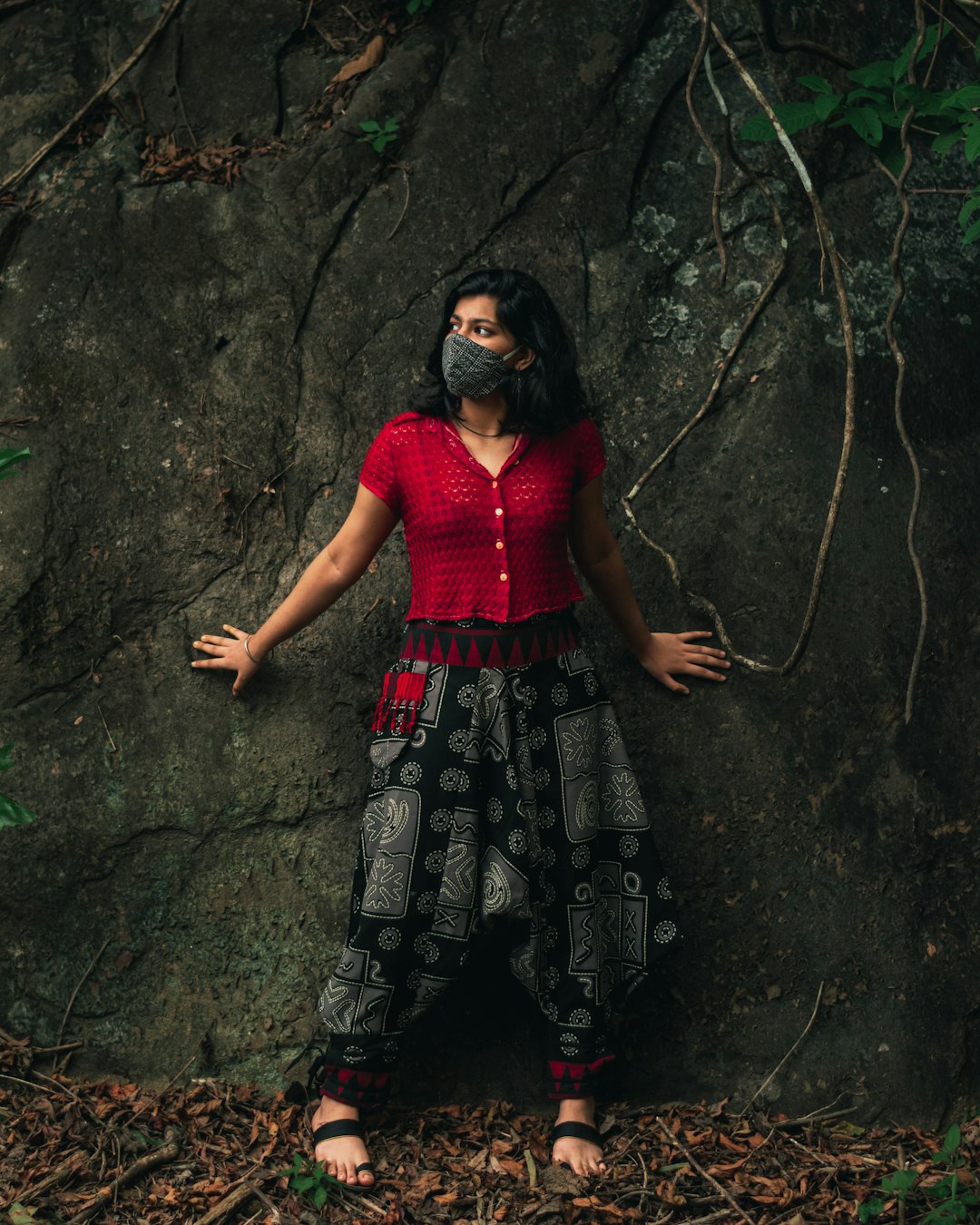
Pants and Leg Coverings Tribal and fusion dancers: low-rise styles slip during torso undulations. Wide waistbands with silicone grip strips solve this without constant adjustment. Avoid heavy embellishment at the knee that restricts floor work or quick transitions.
The Movement Test: Evaluating Fit Before You Buy
Replace vague "right size" advice with specific functional checks:
| Movement | What to Test | Red Flags |
|---|---|---|
| Camel undulation | Full vertical chest-hip wave | Waistband rolls, bra shifts upward |
| Arm raises | Both arms overhead, then out to sides | Underarm gaping, shoulder strap digging |
| Hip drop series | Rapid weighted drops on each side | Belt migration, hip piece sliding |
| Full spin | Multiple continuous turns | Costume pieces separating, dizziness from weight imbalance |
| Floor descent | Controlled drop to knees | Restricted breathing, fabric binding at thighs |
Always test with the undergarments you'll actually wear. A costume that fits over a t-shirt won't perform the same over dance briefs and a performance bra.
Fabric Choices: Practice vs. Performance
Practice Wear Priorities
- Moisture-wicking lycra blends (80% nylon/20% spandex) for heated studios
- Lightweight cotton voile for breathability in outdoor or unairconditioned spaces
- Dark colors and busy patterns that hide sweat and travel wear
Performance Fabric Trade-offs
- Silk: Catches light beautifully, breathes well, but wrinkles irreversibly in luggage and shows moisture immediately
- Synthetic chiffon: Travels better, holds embellishment stitching, but traps heat under stage lights
- Stretch velvet: Forgiving fit across body types, photographs richly, but adds visual weight and retains heat
- Mesh and cutouts: Strategic ventilation, especially at back and underarms, without sacrificing coverage
Style-Specific Considerations
Egyptian Raqs Sharqi and Cabaret Fitted bedlahs require precise measurements—order by your actual bust and hip numbers, not generic small/medium/large. Beaded fringe density affects weight dramatically; sample different densities if possible. Many professionals own "travel bedlahs" with lighter beading for long sets.
American Tribal Style (ATS) and Improvisational Tribal Layered construction allows more fit flexibility, but bulk management becomes crucial. Test how skirts stack over pants, how vests layer over ch