The Plateau Nobody Warns You About
You've been dancing for a while now. Your shimmies don't fall apart, your hip drops land on beat, and you can string together a full routine without blanking out halfway through. So why does something still feel... off? Why do you watch advanced dancers and sense a gap that no amount of extra practice seems to close?
That frustrating middle zone — where you're clearly past beginner but nowhere near mastery — catches almost every belly dancer off guard. And the usual advice ("just keep practicing!") doesn't help much when you don't know what to practice differently.
Your Foundation Has Cracks You Can't See
Here's the uncomfortable truth: the thing holding you back probably isn't a missing advanced technique. It's a basic one you've been doing slightly wrong for months.
I once spent an entire workshop with a visiting Egyptian instructor who made me repeat a single hip drop — just one — for forty-five minutes. Forty-five minutes! My hips were on fire. But when I finally got it right, everything downstream changed. My figure-eights became smoother. My shimmies felt more grounded. All from fixing one "simple" move I thought I'd nailed years ago.
Before chasing flashy combinations, film yourself doing your most fundamental movements. Chest lifts, hip drops, horizontal figure-eights. Compare them side-by-side with dancers you admire. You'll find your gap — and it's almost always in the basics.
Pick a Style That Challenges Your Assumptions
Most intermediate dancers settle into one belly dance style and stay there. Egyptian cabaret feels comfortable, or maybe you fell in love with Tribal Fusion early on. But comfort is the enemy of growth here.
Turkish Roman will force you to rethink your relationship with the floor. Saidi stick work demands a kind of rhythmic precision that bleeds into everything else you do. Even something as simple as learning a Khaleegy hair-toss section teaches you upper-body isolation you didn't know you lacked.
You don't have to commit to a new style forever. Spend a month immersing yourself in something unfamiliar. The cross-pollination is where the magic happens.
Stop Dancing *At* the Music — Dance *With* It
Musicality isn't a soft skill. It's the difference between a dancer who executes moves and one who makes an audience hold their breath.
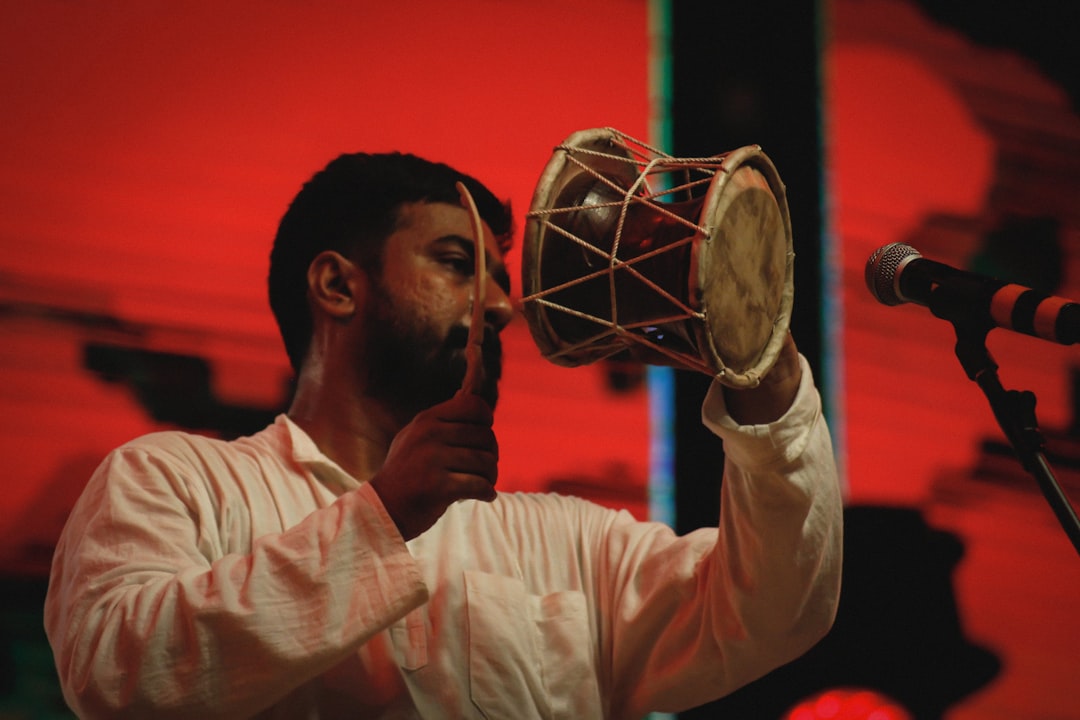
Start by listening to Middle Eastern music without dancing. Really listening. Pick out the doumbek pattern. Notice when the violin lifts the melody. Feel where the taqsim is going emotionally. Then, next time you practice, let one instrument lead your movement instead of counting beats mechanically.
A friend of mine used to practice by putting on a single Umm Kulthum track and improvising for the full twelve minutes. No choreography, no planned combos — just responding. She said it rewired how she heard music entirely.
Your Body Needs to Be an Instrument
Advanced belly dance asks a lot of your body. Layered movements — a shimmy on top of a traveling step on top of an arm pattern — require genuine core stability and hip flexibility that regular dance class warm-ups won't build.
You don't need a gym membership. Fifteen minutes of daily Pilates targeting your deep core, combined with hip-opening stretches, will transform what your body can do on the dance floor within a couple of months. Yoga helps too, especially for learning to control your breath while moving — something that matters more than most dancers realize.
Choreography Should Scare You a Little
If every piece you learn feels manageable, you're coasting. Push into choreographies that make you mutter "there's no way I can do that" when you first watch them. Layer a veil toss over a traveling shimmy combo. Try sword balancing while executing a full-body undulation. Improvise to a song you've never heard before, in front of people.
The dancers who break through to advanced aren't the ones with the most natural talent. They're the ones willing to look clumsy while learning something genuinely hard.
Find Someone Who'll Tell You the Truth
Self-assessment only gets you so far. You need eyes on you — ideally belonging to someone who won't just say "that was great!" after every run-through.
Seek out workshops with instructors whose dancing you respect. Film yourself in class and ask for specific critique. Join a performance circle where dancers give each other honest notes. If you can find a mentor — someone a few years ahead of you who's willing to watch your practice videos and point out what you're missing — that's gold.
The Gap Is the Point
That frustrating space between where you are and where you want to be? It's not a sign you're failing. It's the exact stretch of road where growth lives.
Every advanced dancer you admire stood exactly where you're standing now, wondering if they'd ever bridge that gap. They did it by staying curious, staying humble, and refusing to settle for "good enough."
Your body already knows more than it did a year ago. Trust that. Then go make it learn something new this week.