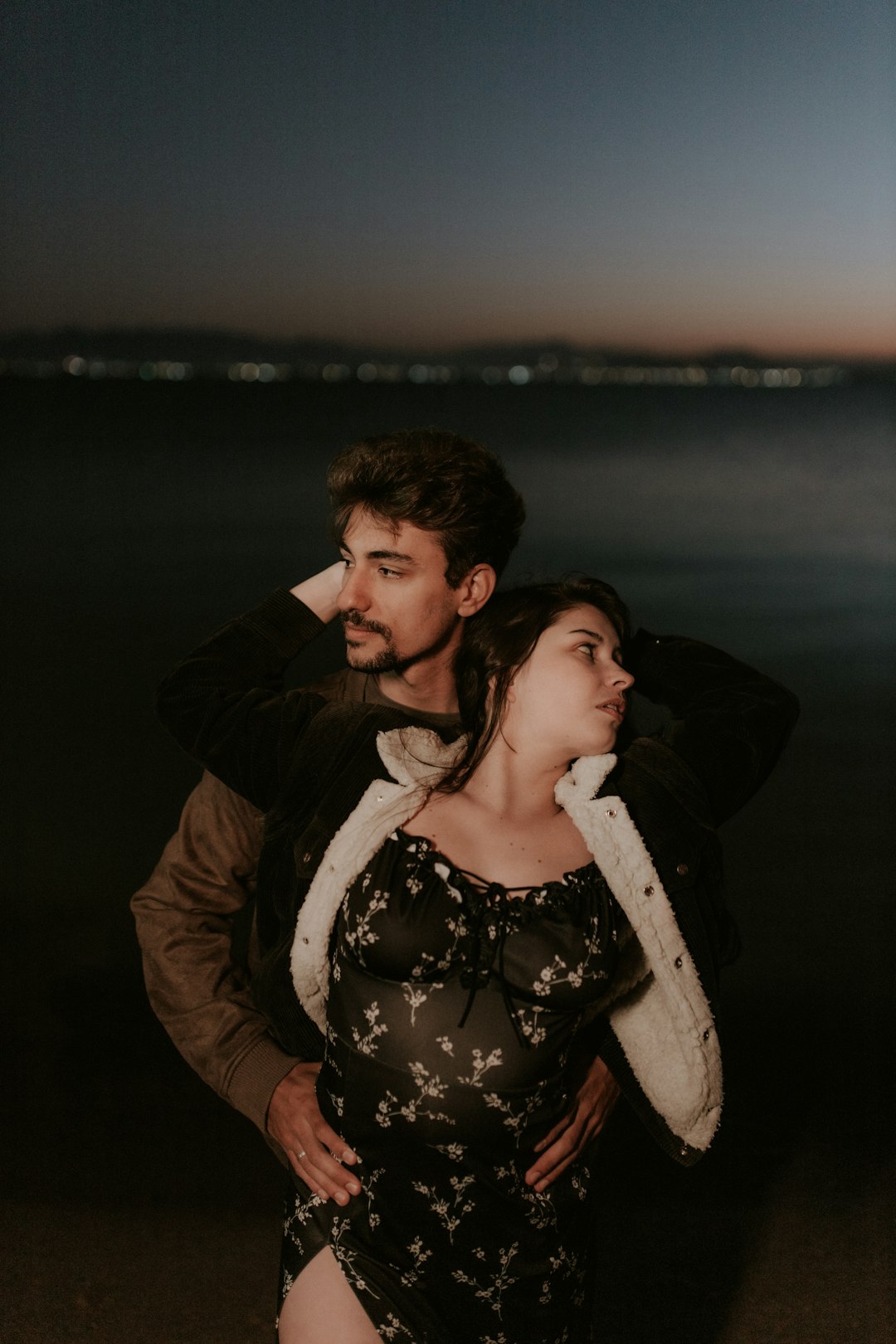
There's a moment every intermediate Cumbia dancer hits — you know the steps, you can follow along, but something's missing. The music is thumping, your feet are moving, but something about your body just looks... mechanical. Like you're going through a checklist instead of feeling the dance.
I've been there. Most of us have.
The truth is, Cumbia has a sneaky learning curve. The basic step feels simple enough, but the moment you try to layer in everything you've learned — hips, arms, turns, partner connection — things start falling apart. You're thinking so much that you're not actually dancing anymore.
Here's the thing nobody tells you at the intermediate level: Cumbia isn't about learning more moves. It's about understanding how one move creates everything else.
Let me walk you through what actually clicked for me, and what I see consistently tripping up dancers in our community classes.
The Hip Movement Isn't Optional — It's the Whole Point
Most dancers approach the hip movement (caminando) as an add-on. You do the footwork, then you try to add hips on top. But that's backwards. In proper Cumbia, the hips lead the footwork, not follow it.
Try this right now, even if you're sitting down: feet shoulder-width apart, knees soft. Instead of moving your hips to match your feet, let your hips initiate the movement and let your feet respond. Feel how different that is? Your body wants to sway — you're just used to overriding it with your thinking brain.
Once you let your hips drive, the steps start feeling organic instead of performed. This is the shift that separates someone who "does Cumbia steps" from someone who actually dances Cumbia.
The Basic Step Deserves Way More Love
We rush past the basics because they feel boring. Forward, back, weight transfer, repeat. But here's the uncomfortable truth: if your basic step is sloppy, every advanced move you layer on top will also be sloppy. The foundation determines everything.
When you're practicing the foundation, pay attention to three things: your center of gravity, your breath, and your grounding foot. The weight transfer shouldn't come from lifting your leg — it should come from your core rotating and your standing leg receiving your weight. Sounds abstract, but you'll feel the difference immediately.
Arms Are Not Decorative
I used to treat arm movements like sprinkles on a cupcake — nice to have, not essential. That was wrong. In Cumbia, your arms tell the story of the dance. They express the emotion that your footwork can't carry alone.
The mistake most intermediate dancers make: they throw their arms around after they've figured out their feet. Instead, reverse the process. Learn the arm pattern first, with stationary feet. Get that arm isolation locked in your muscle memory. Then, once your arms are automatic, add the footwork.
Why does this work? Because your brain can only hold so much conscious attention. If your arms are the variable, your feet can stay grounded. If your feet are the variable, your arms go flying. The emotional expression of Cumbia lives in your arms — protect that real estate.
Turns Will Humble You (Then Make You)
Cumbia turns look graceful when done well and completely chaotic when done poorly. The secret nobody talks about: turns are really about your preparation step, not the turn itself.
Before you initiate any turn, your body should already be set. Your weight should be centered, your frame should be stable, and your eyes should be fixed on your destination point. The actual pivot? That's just the physical consequence of being properly set. If you find yourself stumbling out of turns, go back and examine what happened before the turn started.
Start ridiculously slow. I mean embarrassingly slow. The goal isn't speed — it's building the correct neural pathway. Speed comes later, almost automatically, once your body knows the feeling of a clean turn.
Partner Work Is a Conversation, Not a Performance
This is where a lot of social dancers check out mentally. Partner Cumbia feels intimidating because you're worried about looking bad in front of someone. But that fear creates tension, and tension kills the connection.
The best partner dancing happens when both people stop thinking about how they look and start focusing entirely on what they're feeling from their partner. Can you feel their weight shift before they move? Can you sense their intention through your hands? That's the level of connection Cumbia is reaching for — not synchronized robot movements, but a genuine physical conversation.
A practical tip: practice with someone at your level or slightly below. It's better to learn to lead and follow with someone forgiving than to develop bad habits trying to keep up with someone much more advanced.
Music Is Your Teacher, Not Your Background Track
So many dancers treat music as something happening around them while they do their choreography. Big mistake. Cumbia music is speaking to you constantly — the drums, the bass, the accordion flourishes — and if you're not listening, you're missing half the dance.
The clave rhythm is foundational, as everyone mentions, but here's what they don't tell you: Cumbia has layers. There's the rhythm layer (what you count), the melody layer (what you feel emotionally), and the percussive layer (the tiny accents that make the dance come alive). Start by dancing to the rhythm. Once that's solid, close your eyes and try to dance to just the melody. Finally, see if you can find those hidden percussive accents and let them influence your movements.
When you can dance to all three layers simultaneously, something magical happens — you stop counting and start listening. That's when Cumbia stops being choreography and starts being music made visible.
The Real Secret Nobody Admits
Here's what I wish someone told me at the intermediate level: you're going to feel like you're getting worse before you get better. When you start paying attention to all these details — hip initiation, arm expression, turn preparation, musical layers — your brain gets overloaded and your dancing actually looks more awkward for a while.
This is normal. This is growth. The awkward phase means you're building new neural pathways, and those pathways haven't been myelinated yet (that's the fatty coating that makes movements automatic). Keep practicing through the awkwardness. Everyone goes through it. The dancers who quit at this stage never reach what comes next.
Where to From Here
Cumbia is endlessly deep. You can spend a lifetime with this dance and still discover new nuances. My advice: pick one element from this article and commit to drilling it for two weeks. Not everything at once — just one thing. Master that, then move to the next.
And please, for the love of all things rhythmic, dance with different people. Different bodies, different styles, different energy. Partner dancing only makes sense when you've danced with a dozen different humans and learned to read all of them.
The floor is waiting. Stop reading, start moving.