When the Floor Becomes a Drum
Picture this: a dancer stands perfectly still from the waist up—arms glued to their sides, chin lifted—while their feet hammer the stage like a thunderstorm hitting a tin roof. That contradiction is what hooks you. The stillness makes the movement explosive. Irish dance doesn't ask for your attention; it seizes it.
I remember the first time I saw a feis competition in person. A girl who couldn't have been more than twelve launched into a treble jig, and the sound her hard shoes made was louder than the accordion player behind her. The crowd erupted. She wasn't just dancing—she was arguing with the floor, and winning.
Footwork Born From Hardship
This dance didn't emerge in fancy studios. It grew in cramped kitchens, on wooden doorframes carried from house to house, in parish halls where the ceiling was too low to raise your arms anyway. That's partly why the upper body stays rigid—legends say dancers practiced in tiny spaces so they wouldn't knock over candles or furniture. Whether that's true or embellished, the constraint became the signature.
The old-style sean-nós dancing tells a different story than the competitive world. It's looser, more grounded, improvisational—closer to a conversation than a recital. A sean-nós dancer reads the musician the way a jazz player reads the room. No two performances are identical. That spontaneity carries centuries of communal memory, passed down not through textbooks but through watching your grandmother shuffle at a crossroads dance.
Riverdance Changed Everything (and Not Everyone Was Happy)
February 1994. Eurovision interval act. Seven minutes that turned a niche tradition into a global obsession. Suddenly, kids in Tokyo and Texas wanted hard shoes. Enrollment at Irish dance schools skyrocketed. The world saw what Ireland had known for generations—this art form is electrifying.
But here's the part people don't talk about: the old guard pushed back. Purists worried that the spectacle—the synchronized lines, the dramatic lighting, the amplified drums—diluted something sacred. They weren't entirely wrong. Riverdance polished Irish dance into a product. It also made it accessible to millions who'd never heard a reel in their lives. Both things are true.
The Costume Arms Race
Walk into any major competition today and you'll see dresses that cost more than some cars. Swarovski crystals, hand-painted Celtic spirals, wigs with ringlet curls that bounce in perfect unison. The aesthetic has become its own subculture—parents spending weekends gluing stones onto velvet, dress designers competing for feis commissions.
It's easy to mock, but the costumes carry meaning. The Celtic knotwork references illuminated manuscripts and standing stones. The colors shift with fashion eras—gone are the days of simple velvet dresses in green and black. Now it's neon orange panels and geometric laser-cut overlays. Tradition bending, not breaking.
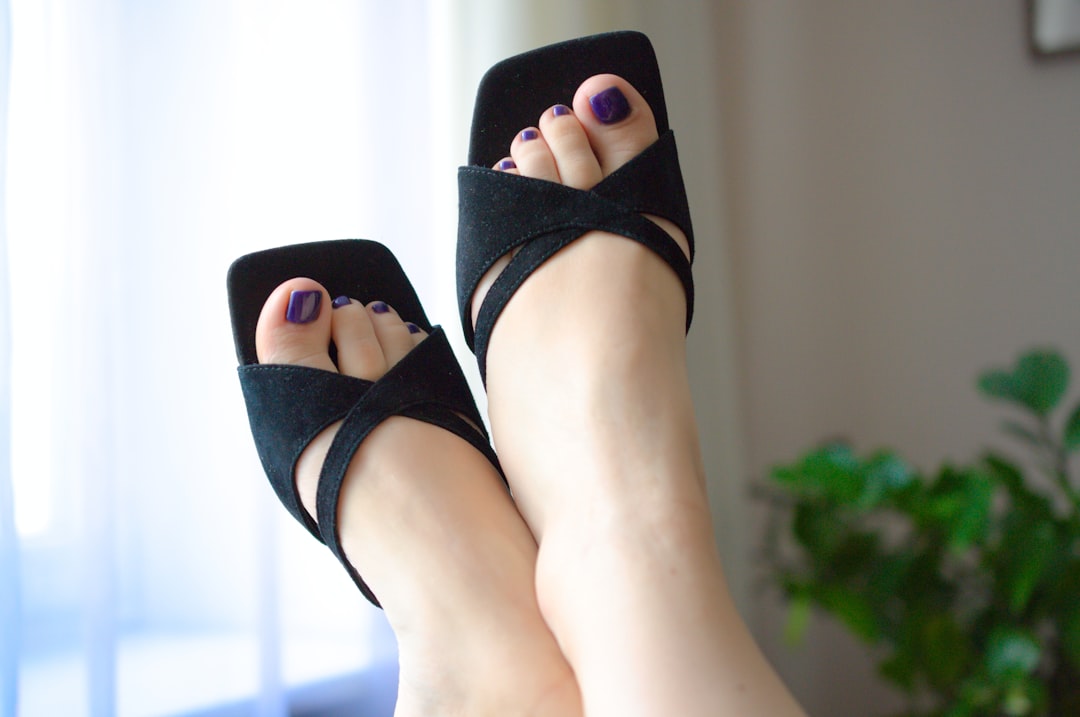
The soft shoe versus hard shoe split matters too. Ghillies—those delicate black lace-ups—create whispers. Hard shoes, with their fiberglass tips and heels, create thunder. A single dancer can produce a wall of sound that rivals a drum kit. No electronic amplification needed. Just wood, leather, and fury.
Why It Still Hits Different
Plenty of dance forms have gone viral. Ballet had its TikTok moment. K-pop choreography floods every feed. But Irish dance endures for a reason that has nothing to do with algorithms. It's communal. At a ceili, you don't need training—you need willingness. Someone calls the sets, the music kicks in, and strangers become partners for the next eight bars.
There's also a competitiveness that keeps it sharp. Feiseanna happen every weekend somewhere in the world, from Dublin to Dubai. Dancers as young as five compete alongside adults in their sixties. The adjudication system is notoriously exacting—wrong angle on a turnout, half a mark deducted. That pressure produces athletes disguised as artists.
The community aspect shouldn't be underestimated either. Irish dance families spend their weekends in school gyms and hotel ballrooms, trading tips on wig tape and comparing scoresheets. Kids form friendships that span continents. There's a shared language in the rhythm, a mutual respect for blistered feet and early-morning rehearsals.
One Step at a Time
Next time a reel kicks up—whether it's a tin whistle in a pub corner or a full orchestra in a concert hall—pay attention to your own feet. They'll twitch. Maybe just a toe tap, maybe a full shuffle. That reflex isn't coincidence. It's centuries of Irish tradition reaching through the music and grabbing you by the ankle.
You don't need to understand time signatures or know the difference between a light jig and a slip jig. You just need to feel the floor vibrate and let it pull you in. That's the real magic. Not the costumes, not the trophies, not the viral videos. The beat. Always the beat.