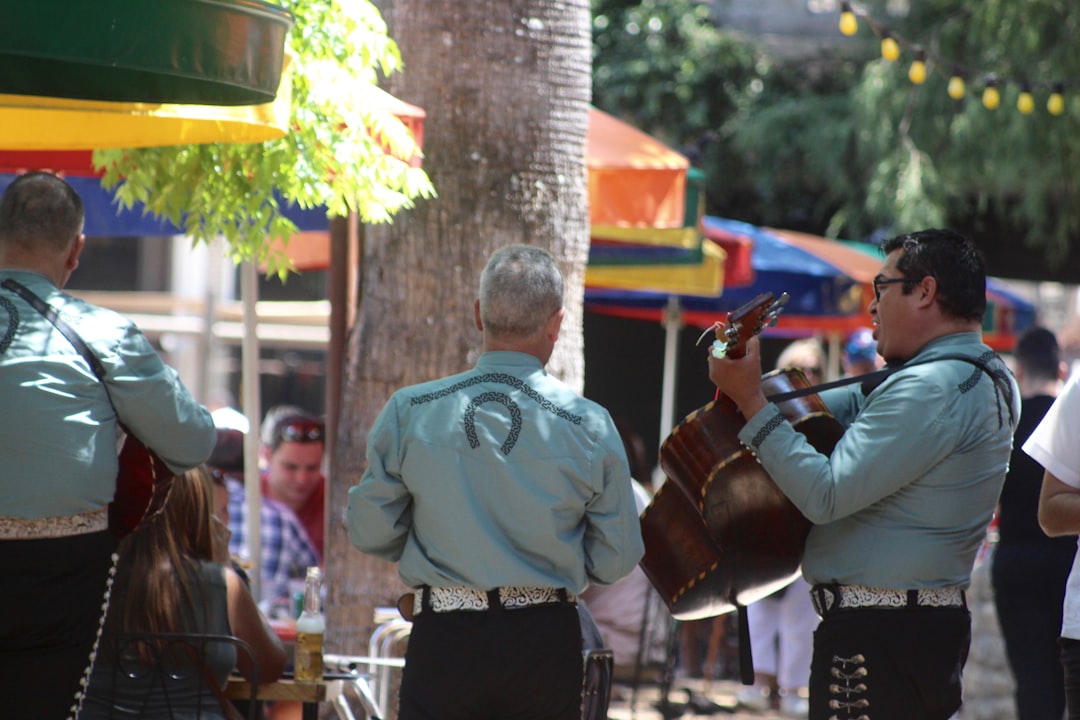
The berimbau buzzes. Two people enter the roda. One of them is about to get absolutely schooled.
That was me, circa 2017, standing inside a circle of strangers at a batizado in Salvador da Bahia. I thought three months of classes had prepared me. A woman named Dona Cida, maybe 60 years old, swept my legs out from under me with a movement I didn't even have a name for yet. The crowd laughed. She smiled and offered me her hand.
That moment rewired my brain about what Capoeira actually is. It's not a gym workout with cool music. It's not a martial art pretending to be a dance. It's a centuries-old conversation between bodies, and learning to speak it fluently takes a lot longer than most people expect.
The First Year Is About Getting Comfortable Looking Bad
You'll spend months doing the ginga over and over until your legs burn and your coordination clicks into place. Not because it's glamorous, but because every single thing in Capoeira branches out from that rocking, swaying base movement. Kicks, escapes, takedowns — they all connect back to how well you can shift your weight while staying loose.
Most beginners quit around week six. The initial novelty wears off, the bruises accumulate, and you're still struggling with esquivas while the advanced students are doing backflips. That gap feels permanent. It isn't.
Here's something nobody tells you early enough: filming yourself and watching the footage is painful but necessary. You think you're moving like water. You look like a confused scarecrow. That contrast between how it feels and how it looks drives real improvement, if you can stomach it.
Finding Your Mestre Isn't a Checklist Exercise
People talk about finding a Mestre the way they talk about picking a college — pros, cons, comparisons. That misses the point. A good Mestre-student relationship is built over years, not selected in an afternoon.
That said, some red flags matter. If a teacher can't explain why you're doing something beyond "this is how we do it," keep looking. If they dismiss the music side as optional, or if they never mention the history of enslaved Africans hiding fight techniques inside dance — walk away. Those aren't pedagogical preferences. They're signs someone learned the movements without understanding what they carry.
Worth doing: drop into classes at two or three different academies before committing. Watch how the instructor treats beginners. Notice whether students seem relaxed or terrified. The energy of a group tells you more than any credential.
Music Isn't a Side Skill — It's Half the Language
I resisted learning the berimbau for my first two years. Seemed like a separate hobby. Then a visiting Mestre from São Paulo told me something that stuck: "You can't play Capoeira if you don't hear it."
He meant that literally. The rhythm of the berimbau dictates the tempo, the energy, whether the game is playful or aggressive. A good Capoeirista shifts their movement instinctively when the music shifts. A great one is the music made physical.
So learn the berimbau. Learn the pandeiro. Memorize at least five ladainhas and a handful of corridos. You don't need to be a musician, but you need to understand what the instruments are saying.
Rodas Will Break You Open
Nothing accelerates your growth like regular roda participation. Nothing.
Class teaches technique. The roda teaches improvisation, reading another person's body language, managing fear, and timing. It's where you discover that a meia lua de frente that works perfectly against a training partner crumbles against someone who plays a completely different style.
Travel when you can. A roda in Bahia feels different from one in Berlin, which feels different from one in Tokyo. Different groups emphasize different things — some lean into the acrobatic side, others keep it grounded in Angola, some focus on the theatrical. Sampling that range makes you a more adaptable player.
Teaching Forces You to Actually Understand What You Do
When a student asks you to explain why their arm position is wrong, you can't hand-wave it. You either know the answer or you don't. Teaching exposes every gap in your understanding, which is exactly why it's valuable.
Start assisting your Mestre before you feel ready. You won't feel ready for a while. That discomfort is the point — it's the same discomfort you felt as a white belt, and it keeps you honest.
Opening your own group or academy later is a different beast entirely. It means running a business, building a community, and carrying the responsibility of someone else's introduction to this art. Don't rush into it.
The Part Nobody Puts in the Brochure
Professional Capoeira doesn't pay well, at least not directly. Mestres with decades of experience supplement income with workshops, merchandise, performance contracts, and university residencies. The ones who make it work treat their career like an artist treats a studio practice — multiple income streams, constant networking, relentless self-promotion wrapped inside genuine generosity.
International events and batizados are where connections happen. Go to them even when you can't afford it easily. The Capoeira world is smaller than you think, and reputation spreads fast.
None of this is romantic advice about following your bliss. It's practical. Capoeira rewards people who show up consistently, stay curious, and accept that mastery is a horizon that keeps moving. The day you stop learning is the day you start fossilizing.
Dona Cida is still playing roda at 70-something. She still catches people off guard. That's the standard. Not a belt color or a title — the willingness to keep entering the circle.