---
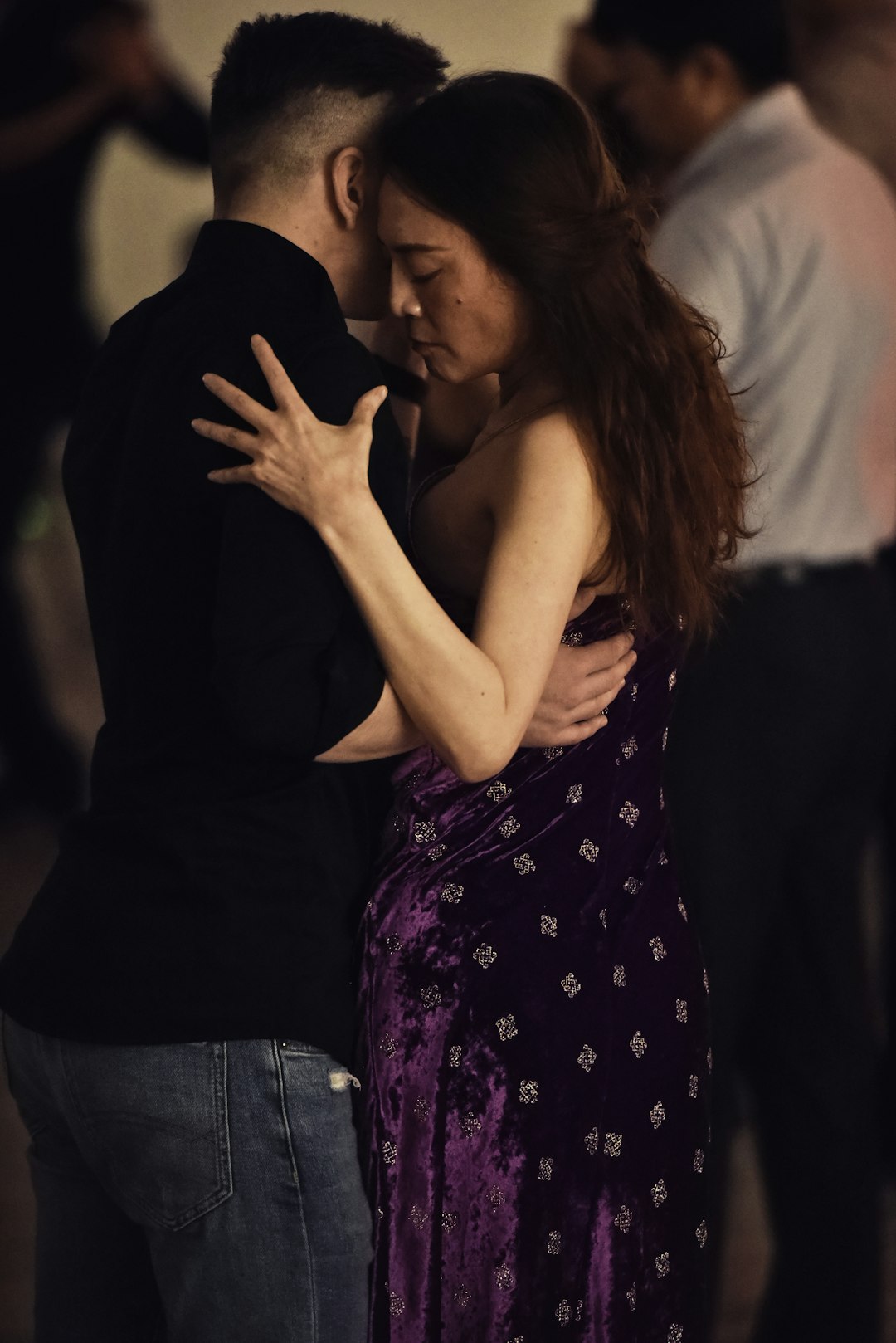
There's a woman at the social who must be sixty-something. She wears reading glasses perched on her head and a sundress that looks borrowed from another decade. When the DJ drops a Bachata, she doesn't consult anyone. She walks onto the floor and simply starts. And the room—everybody in the room—makes room for her.
You don't know the steps yet. You're not sure your feet remember anything from that one Zumba class in 2019. But something in you recognizes what you're watching. It's not the movement. It's the ease. The absolute refusal to perform—just this quiet, embodied yes to being alive in the music.
That's the part nobody tells you about Latin dance. You think you're signing up to learn steps. You end up learning something else entirely.
Finding Your People (and Your Floor)
The good news if you're in or around Sullivan City, Missouri: you don't have to travel far to find studios that take this seriously. The better news is that the right studio for you depends less on credentials or studio footage and more on one thing—vibe.
Some places run tight, technique-first classes where you'll drill the basic step of a Salsa turn until your body surrenders and your brain finally stops overthinking it. That's the right fit if you're the kind of learner who wants structure, correction, and the satisfaction of getting a movement exactly right. Smaller class sizes matter here. You want instructors who move through the room, not just demonstrate from the front.
Other studios lean harder into the social, the immersive. You'll learn steps faster than you expect, but less through drilling and more through doing. Watching a more experienced student in front of you and just copying what they do. Being thrown into a partner rotation before you've fully internalized the footwork. This sounds chaotic. It is. It's also how a lot of people actually learn to dance—through the body, not the lecture.
Neither approach is wrong. Both work. Your job is to figure out which environment your nervous system responds to.
The Test Drive
Before you commit to a package, show up and watch. Don't take notes. Just sit with a coffee and observe a full class.
Notice whether students look like they're having a good time or enduring a workout. Notice whether the instructor seems to know everyone's name or just everyone's mistakes. Notice the floor—is it sticky, cramped, or do people actually have room to move? These things matter more than the marketing photos.
Ask to try a beginner class. Feel how the instructor cued turns, how corrections were delivered (you want specificity without humiliation), how the other students treated the newcomers. If people smile at you in the changing room, that's data.
The Styles Themselves
If you're new to this world, here's the short version: Salsa is the gateway. It's the most widely taught, the most social, and the most forgiving of imperfect timing. Start there. Find your weight distribution, your frame, your ability to listen to music with your body instead of your ears.
From there, Bachata will catch you off guard. It looks smoother, almost restrained, until you feel how much hip action is hiding in the basics. Once it clicks, it's addictive. The Dominican style is sharper, more percussive. The Sensual version is what you're probably picturing—slow, close, dramatic body movement. Both are worth exploring.
Merengue is the one nobody talks about but everyone loves at parties. It's fast, it's simple, and you can dance it with anyone in any shoes. It's also the style that teaches you not to overthink, because overthinking Merengue will destroy you.
Cha-Cha rewards precision. If you like structure, you'll love the countable satisfaction of landing each chasse on the exact right beat. It's a precision instrument compared to the looser conversation of Bachata.
What You Actually Need
The gear thing is overblown. You need shoes with some grip—not rubber sole, not ice-skating slick. Leather or suede soles are ideal. You can get dance shoes, but you can also just wear clean shoes you don't mind sweating in. Nobody at a Sullivan City studio is grading your footwear.
The only thing you actually need to bring is a willingness to look foolish. Not forever. Not even for that long, if you're consistent. But for the first few sessions, you will feel uncoordinated, confused, and behind. That discomfort is the admission price. Pay it.
---
You're not too old. You're not too stiff. You're not starting too late.
The woman in the sundress was sixty-three when she walked into her first Salsa class. She says she didn't know what she was doing. She still says that. Nobody believes her.
Go find out what your body already knows.