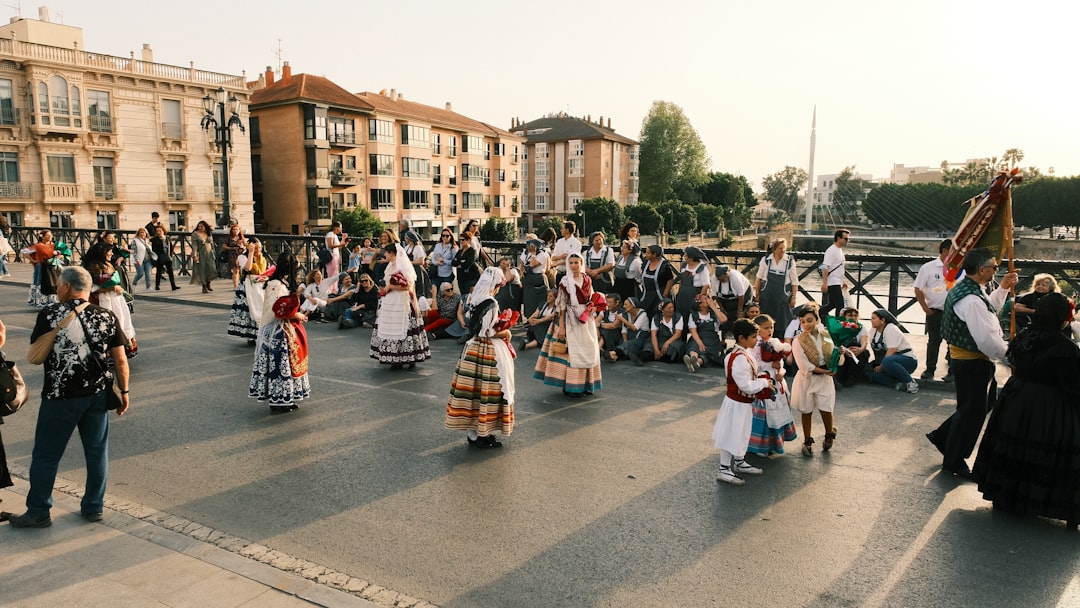
There's a moment every swing dancer knows. You're on the floor, the music's playing, but something's off. Your footwork feels mechanical. Your partner seems out of sync. You blame yourself, maybe the floor, perhaps the lighting. But here's the truth nobody talks about: sometimes the problem isn't you. It's the song.
The right track transforms dancing from memorization into conversation. It tells your body when to kick, when to slow down, when to let go and improvise. Pick the wrong one, and you're fighting the music instead of riding it. I've spent years on dance floors across the country watching this happen in real time—watching dancers light up the moment the right song comes on. It's like watching someone finally exhale.
Let's talk about which songs unlock what, because matching moves to music isn't some mystical art. It's pattern recognition, and once you see it, you'll never DJ the same way again.
---
The Charleston: When Chaos Becomes Art
The Charleston lives in chaos. It's fast, it's percussive, it's got that "I might fall but that's part of the vibe" energy. So why do so many dancers pick songs that are too polished, too smooth? They're trying to tame something wild.
What works: Pencil Full of Lead by Paolo Nutini. That song has grit. It's got groove in places that feel almost broken, and that's exactly what makes the Charleston sing. The rhythm pushes you to kick higher, snap harder, let your arms swing wider than feels comfortable. When the lyrics get playful, you get playful. When the beat drops, you find that explosive energy that defines the dance.
Here's what most tutorials won't tell you: the Charleston isn't about perfection. It's about releasing tension. That song gets that. You don't need a partner who knows every step—you need a song that makes you want to move even when you're alone in your living room.
---
Lindy Hop: The Song That Makes You Brave
Lindy Hop is where technique meets fearlessness. You can know every swingout variation in the book, but if your song doesn't make you brave, you'll play it safe. You'll do the safe version. The pretty version. The version that doesn't scare you a little.
Enter Sing, Sing, Sing by Benny Goodman. This isn't just a song—it's a dare. The opening drum roll alone makes you want to throw someone (in a good way). When those horns come in, you stop thinking about whether your footwork looks clean and start thinking about what you can get away with. That's the magic. The song demands you rise to it.
What I love about dancing Lindy Hop to this track is that it rewards risk. The chorus isn't designed for careful dancing. It's designed for aerials, for turns that push the edge of control, for that moment where you're suspended mid-air and the room goes quiet before you land. Every serious Lindy Hop dancer has a story about the first time they really let go to this song. It's a right of passage.
---
Jitterbug: Pure Velocity
Jitterbug doesn't mess around. It's the youngest of the classic swing dances, and it shows—it's direct, it's athletic, it's all about speed and split-second decisions. If Lindy Hop is a conversation, Jitterbug is an argument. In a good way.
Jump, Jive, an' Wail by Louis Prima is the obvious choice, and it's obvious for a reason. It works. The energy never lets up, and neither should you. But here's the thing nobody emphasizes enough: this dance isn't about keeping up with the music. It's about letting the music carry you so fast that you stop planning ahead. Your body reacts. Your feet react. You're not thinking three moves ahead—you're reacting to what's happening right now.
The Jitterbug floor at any social dance is where you'll find the youngest energy, the most laughter, the most "wait, did that actually work?" moments. That song creates that atmosphere on purpose. It's built for dancers who haven't quite figured out the rules—and don't want to.
---
Balboa: When Less Actually Becomes More
Balboa is the anti-dance in the best possible way. No flourishes, no aerials, no showboating. Just two people standing close, communicating through weight shifts so subtle you might miss them if you're not paying attention. It sounds boring. It's not. It's the hardest thing in swing to learn and the most satisfying when it clicks.
For this, you need a song that respects the silence between the notes. Take the 'A' Train by Duke Ellington is the gold standard, and honestly, nothing's knocked it off. The melody is unhurried. The rhythm is steady. There's nowhere to hide. If your frame is off, if your connection is weak, this song exposes it. But if you've put in the work? It feels like flying without leaving the ground.
What Balboa teaches you—and what this song embodies—is that you don't need to fill every moment with movement. Sometimes the most powerful thing you can do is hold still, wait, and let your partner lead you into the next step like it was their idea all along.
---
Carolina Shag: The Southern Groove
Carolina Shag is beach music. It's coastal, it's relaxed, it's got that summer-night-open-road feeling that makes you want to drive with the windows down even if you're on a crowded floor.
In the Mood by Glenn Miller doesn't just work for Shag—it defined what Shag sounds like. The song glides. Your feet should glide too. This isn't about sharp beats or quick direction changes. It's about long, lazy lines, letting your partner stretch out the connection, finding that pocket where you're both moving as one unit instead of two individuals trying to coordinate.
The best Shag dancers make it look effortless. That's not because they're not trying—it's because they've found songs that match their flow. This is that song.
---
Your Turn
The playlist matters. Not as background noise, but as the actual teacher. Next time you head to a social, don't just pick your favorite songs. Pick your favorite dances first, then find the songs that make those dances click. Notice what changes when the right track comes on. Notice how your posture shifts, how your energy rises, how suddenly you're not performing anymore—you're just moving.
That's the difference between dancing and actually dancing. It's not complicated. But it takes paying attention.