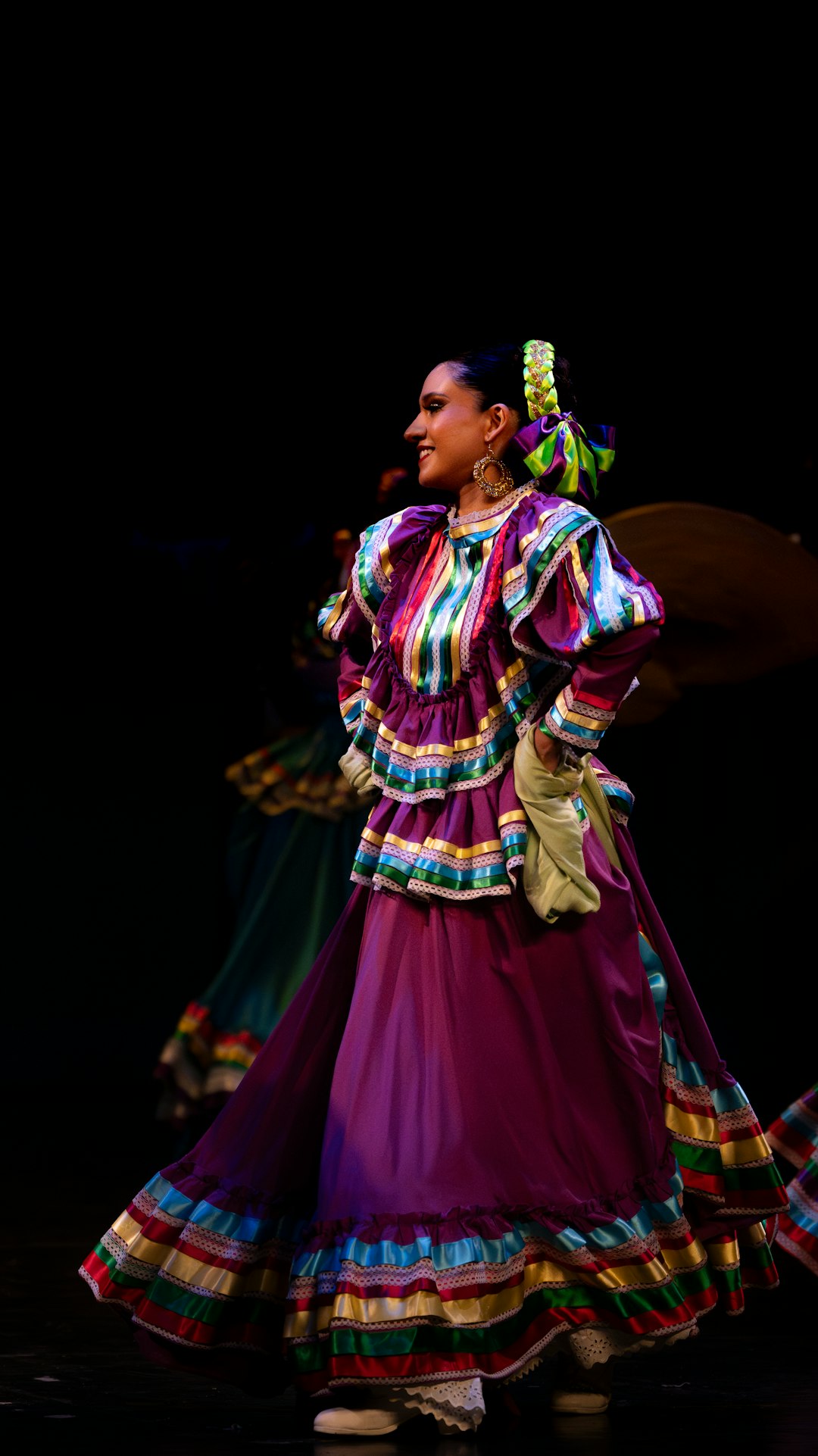
The Gap Nobody Talks About
You know that moment at a milonga when you watch a couple and the entire room goes quiet? Their steps aren't complicated. Their vocabulary isn't flashy. But something about the way they move together makes you forget to breathe.
That's not talent. That's a thousand tiny decisions made in a split second — and you can learn every single one of them.
Get Comfortable Being Uncomfortable With Milonga
Here's a secret: most tango dancers avoid milonga because it exposes them. The faster tempo doesn't allow for faking it. You either hear the rhythm or you don't, and your feet will rat you out every time.
Spend a month dancing milonga exclusively. Not as a warm-up, not as a joke between "real" tandas — as your primary practice. The syncopation will sharpen your musicality in ways that slow, dramatic tangos simply can't. Your ochos will get faster. Your axis will get cleaner. And when you circle back to tango, you'll move with a precision that catches people off guard.
Listen Like a Musician, Not a Passenger
Most dancers hear the beat. Great dancers hear the conversation between instruments.
That bandoneón phrase that rises and falls like someone sighing? That's not background noise — that's your cue to soften your chest and let the embrace breathe. The piano riff that skips ahead of the downbeat? That's permission to play with your timing instead of marching through the song like it's a metronome.
Try this: pick one tango track and listen to it five times, each time focusing on a different instrument. Then dance to it. You'll hear things you never noticed, and your body will respond to them without you having to think about it.
The Culture Isn't Optional
You can learn the steps anywhere. But tango without Buenos Aires in your bones is like playing blues without ever feeling low.
Watch Carlos Gardel's old films — not for the choreography, but for the attitude. Read the lyrics to "Cambalache" and understand why that song still makes porteños emotional eighty years later. The poetry of Discépolo, the orchestras of Pugliese and Di Sarli — these aren't history lessons. They're the reason tango feels the way it does.
When you carry that weight in your chest, your dance stops being a performance and starts being a conversation.
Partnering Is Listening With Your Whole Body
Advanced figures — giros, molinetes, volcadas — look impressive from the outside. But here's what separates the good from the breathtaking: the space between the moves.
A professional lead doesn't just signal "turn now." They create a question with their chest, and their partner answers with her axis. There's a fraction of a second where neither person knows exactly what will happen — and that uncertainty is where the magic lives.
Practice with different partners. A lot of them. Every person teaches your body something new about pressure, timing, and surrender.
Stop Dancing Steps. Start Telling Stories.
Film yourself. Not once — regularly. Watch it back with the sound off. Does your face tell the same story as your feet? Is there tension in your shoulders that has nothing to do with the music?
Professional tango performers don't just execute sequences. They build a narrative arc across the entire song. There's a beginning that draws you in, a middle that takes risks, and an ending that leaves you hanging. Your body is the pen. The music is the paper.
The Room Where It Happens
Workshops and festivals matter — not just for the instruction, but for the collisions. The teacher who watches you for ten seconds and says the one thing you needed to hear. The late-night milonga where you dance with someone from a completely different school and realize your technique has blind spots you never knew existed.
Tango communities are generous by nature. Show up consistently. Ask questions. Give honest feedback when it's requested. The connections you build will shape your dancing more than any solo practice ever could.
---
The gap between "good enough" and extraordinary isn't a mystery. It's patience, curiosity, and the willingness to look foolish while you figure things out. The floor is waiting.