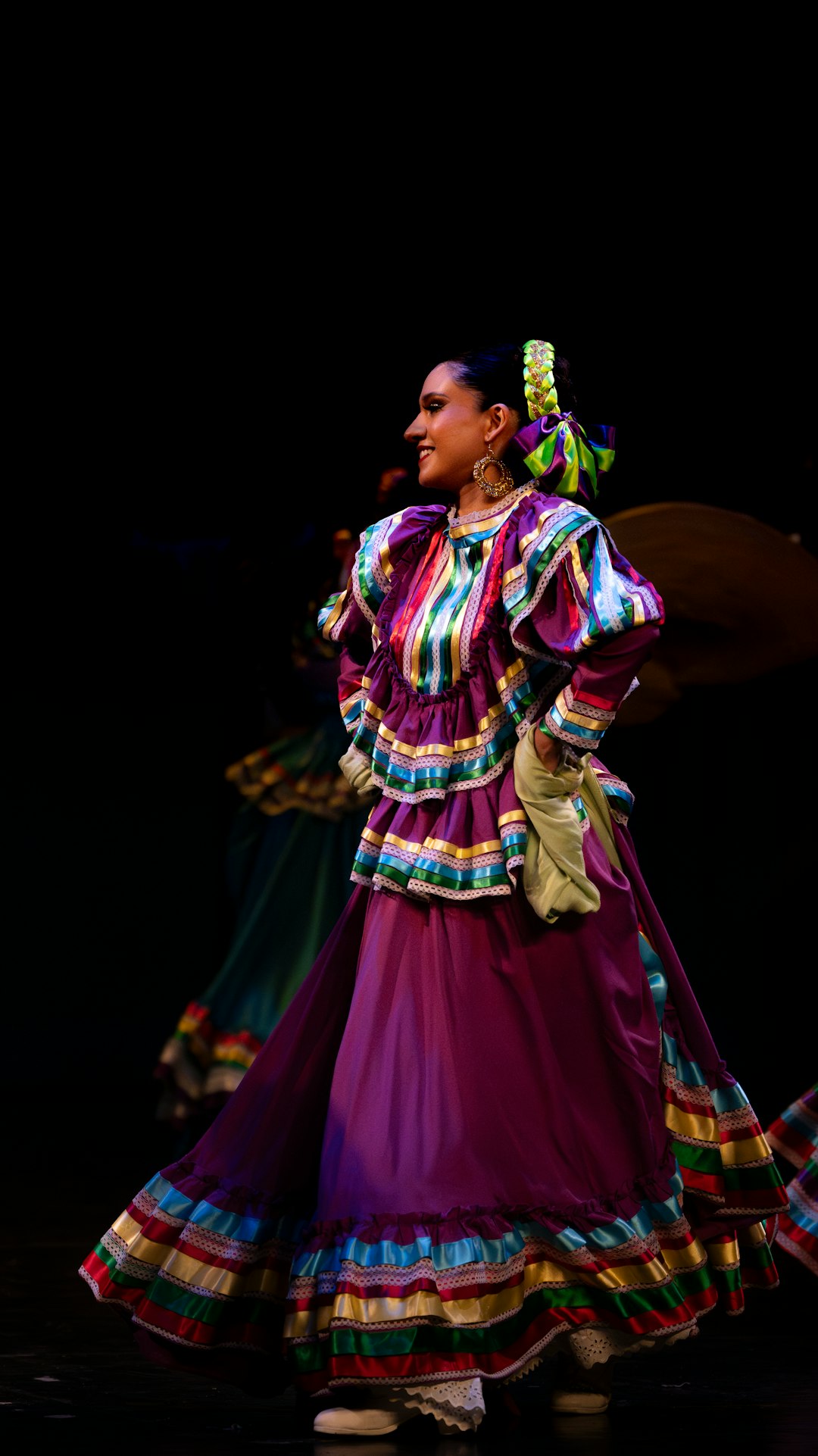
There's a moment every tango dancer recognizes. You've put in the hours. You know your ocho from your caminata, your boleo from your volcada. But something's still missing. The dance feels technically correct but emotionally hollow—like watching a beautiful painting through a window. You're not alone. This is the invisible wall that separates competent dancers from the ones who make audiences lean forward in their chairs.
Here's the thing nobody warns you about: technical proficiency in tango is necessary but insufficient. I've watched brilliant technicians reduce a dance floor to polite applause while a couple with half their skill level brought the room to tears. What makes that difference? Let me walk you through what actually separates the dancers who plateau from those who keep growing.
---
The Improvisation Trap
Most intermediate dancers misunderstand what improvisation actually means. They think it means "not planning ahead" or "freestyling." That's not it at all.
True tango improvisation is reactive listening at lightning speed. Your body becomes a receiver, parsing your partner's weight shifts, breath patterns, and micro-tensions in real-time. When a leader adjusts his frame pressure by three percent, the follower registers that signal and moves before conscious thought intervenes.
This takes a specific kind of practice. Not drilling patterns until they feel automatic—though that matters—but listening drills where you deliberately remove visual cues. Dance with your eyes closed. Dance to unfamiliar music. Dance with partners who move nothing like you. Each of these forces your body to develop the sensitivity that improvisation actually requires.
A teacher I admire, based in Buenos Aires, runs an exercise where couples hold a balloon between them while dancing. No hands, just the balloon. The frame must be perfectly calibrated—too rigid and the balloon pops, too loose and it falls. After twenty minutes of this, something clicks. Your connection stops being something you think about and starts being something you simply feel.
---
The Walk Nobody Teaches
Every tango curriculum covers the walk. Weight transfer, heel-toe placement, axis alignment—yes, yes, yes. But there's a layer below all of that which gets glossed over: the walk as emotional expression.
Watch a master dancer navigate a crowded milonga. Their walk isn't transportation from point A to point B. It's a statement. A declaration of presence. When I finally understood this, my teacher had me walk across the floor while imagining I was approaching someone I loved after two years apart. Then again, approaching someone I'd never met and would never see again. The footwork was identical. The emotional texture was completely different.
Your walk should prepare the room for what's coming. A subtle shoulder rotation, a slight pause at the heel contact, the way your chest leads or follows your weight—these aren't technical corrections. They're vocabulary. The walk is where your tango stops being a sequence of movements and starts being a language.
Practice this by taking one pattern you know intimately and performing it three times: once with grief, once with desire, once with quiet contentment. Same geometry. Completely different dance.
---
Connection Isn't a Technique
Here's where advanced dancers often go wrong. They treat connection as a skill to be developed—like learning a ganchos or a sacada. But connection isn't something you do. It's something you allow.
The physical components matter: frame integrity, center-to-center alignment, pressure gradients between bodies. But the real work is psychological surrender. When you lead, you're offering an invitation, not issuing commands. When you follow, you're accepting vulnerability, not relinquishing control. Both require a willingness to be affected by another person without armor.
I struggled with this for years. My frame was technically sound, but I was using it as a shield. I maintained perfect position while remaining emotionally disconnected. A follower once told me afterward that dancing with me felt like being held by a very precise mannequin. Ouch. But she was right.
What changed? I started prioritizing the quality of stillness over the quantity of movement. In the pauses between steps—the pregnant silences that tango does so well—I learned to simply be present with another person. Connection happens in those moments of mutual vulnerability, not in the flashy combinations.
---
Why Milongas Are Your Real Teacher
You can take classes forever. Workshops with visiting masters are valuable. Private lessons accelerate progress. But none of these compare to dancing in a real milonga.
The social dance context introduces variables that no studio can replicate. The floor is crowded. The lighting is dim. Your partner is someone you've never met. The music is a tanda—three or four songs played consecutively—and you commit to all of them regardless of chemistry. The DJ chooses, not you.
This is where technical skill either serves you or fails you. A dancer with great technique who can't adapt becomes a liability on a packed floor. A dancer with solid fundamentals and strong listening skills navigates any situation gracefully.
Attend milongas regularly. Dance with everyone, not just people at your level. Notice how your dancing changes when you're in a room full of strangers versus a controlled studio environment. The tensions, the spatial awareness, the pressure to connect quickly—these are the conditions that will actually stress-test your growth.
---
The Emotional Architecture of Tango
Tango music is theatrical. It's designed to tell stories with clear emotional arcs—tension, release, longing, resolution. Your dance should mirror these structures.
Before you step onto the floor, ask yourself: what is this song about? Not the lyrics, necessarily, but the emotional narrative embedded in the arrangement. Is it a confrontation? A reconciliation? A farewell? A first meeting? Your body language, your floorcraft, your choices within the choreography—all of these should serve that emotional narrative.
This sounds abstract, but it becomes concrete with practice. Pick one song you know well. Dance to it five times, each time with a different emotional premise. Film yourself if possible. You'll see how the same steps can communicate completely different stories.
Advanced dancers aren't the ones with the most vocabulary. They're the ones who can make you feel something specific with whatever vocabulary they have.
---
The Slow Build Nobody Wants to Hear
I'm going to tell you something you already know but probably don't want to believe: this takes time. Not months. Years. Decades, if you're serious.
The dancers who frustrate me most are the ones who expect mastery on a schedule. They measure progress in techniques acquired rather than depth of feeling. They want the destination without the journey.
But here's the secret reward for patience: every plateau has a door. What feels like stagnation is usually integration. Your body is absorbing lessons at a level below conscious awareness. The breakthrough you need is already happening; you just can't see it yet.
Keep practicing. Keep dancing. Keep showing up to milongas even when you feel like you're not improving. The day will come when someone watches you dance and says what was said to me, years ago, by a stranger in a crowded Buenos Aires ballroom: "You dance like you've lived something."
That's the moment you realize all those hours were worth it. That's what advanced tango actually looks like.