The Moment I Got Hooked
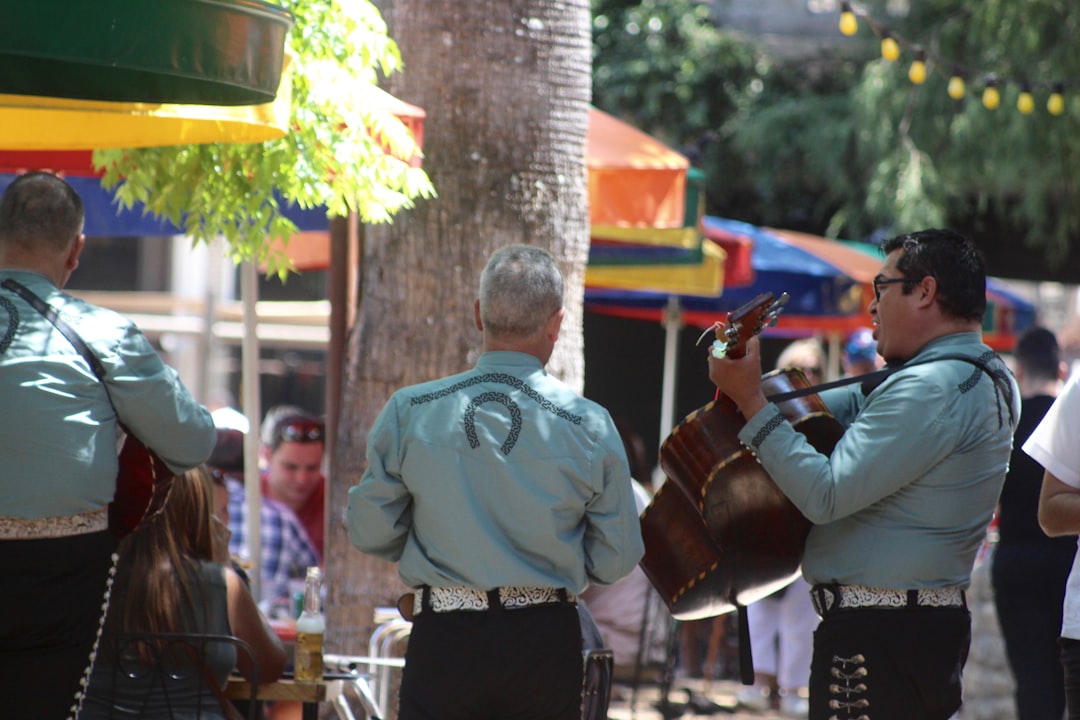
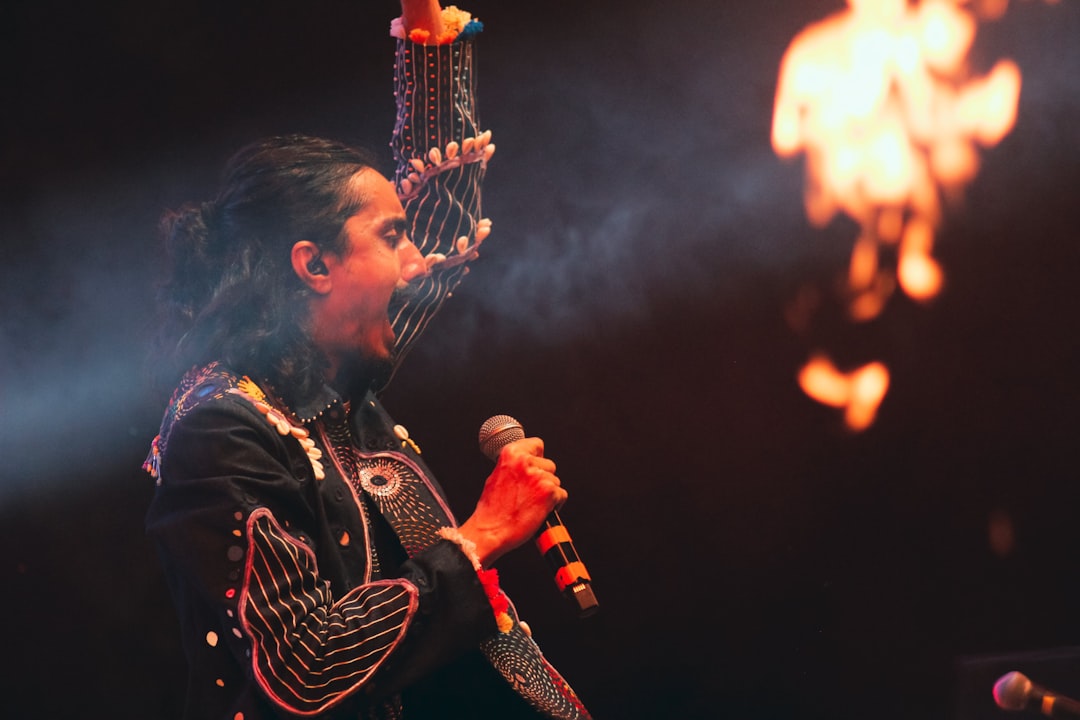
There's this thing that happens the first time you watch a roda in person. The berimbau starts its hypnotic twang, voices rise in Portuguese call-and-response, and two people move in ways that look impossible — part fight, part dance, part conversation you're suddenly desperate to understand. That's exactly what happened to me three years ago in a cramped studio downtown, and I haven't stopped training since.
Richville City has quietly become a legitimate Capoeira hub. The scene here isn't massive like Salvador or São Paulo, but what we lack in size we make up for in heart. Newcomers find welcoming communities. Veterans find serious training. And everyone finds that weird, beautiful thing where music and movement blur together.
Where to Actually Train
Not every spot works for every person, so here's the honest breakdown of what's available.
Ginga Richville Academy sits right in the city center, and Mestre João runs the show. He's been doing this for over two decades, and it shows — not in some intimidating way, but in how he can watch you struggle through a cartwheel and somehow fix it with one sentence. They handle all levels here. Beginners get patient instruction. Advanced students get pushed hard. The Saturday morning open rodas draw people from across the region.
Axé Capoeira Collective takes a different approach. Less formal academy, more grassroots community. They care deeply about the cultural roots — the music, the songs, the history behind every movement. They run workshops on berimbau technique and traditional corridos that most schools skip entirely. Their weekend rodas are open to everyone, and honestly, that's where I learned more about real Capoeira than any structured class could teach.
Richville Capoeira Fitness Studio appeals to people coming from a fitness background. Classes focus heavily on strength, flexibility, and cardio conditioning. If you're athletic but new to Capoeira, this is a solid entry point. They also run virtual sessions, which saved my training during a particularly brutal winter last year.
Getting Past the Beginner Plateau
Here's what nobody tells you when you start: the first six months feel amazing because everything is new. Then you hit this wall where basic movements feel boring but advanced ones feel impossible. That's where most people quit.
The ones who don't quit? They do a few things differently.
Show up regularly, even when motivation dips. Twice a week minimum if you want actual progress. Three times if you want to surprise yourself.
Learn the music. Seriously. Pick up a pandeiro and start practicing rhythms at home. When your body understands the music from the inside, your game transforms. Movements stop being exercises and start being expressions.
Cross-train with purpose. Yoga helps with flexibility. Gymnastics builds the strength for flips and handstands. But don't just do random workouts — train with Capoeira in mind. Focus on core stability, hip mobility, and spatial awareness.
Show up to every roda you can find. Watching videos helps, but nothing replaces the nervous electricity of facing another person in the circle with everyone watching. You'll freeze. You'll mess up. And then you'll land something you didn't know you could do, and everything clicks.
The Events You Shouldn't Miss
Richville City hosts batizados, workshops, and festivals throughout the year. These bring in visiting mestres who trained in Brazil, and their perspective often reframes everything you thought you understood. The annual festival in late summer is particularly worth attending — multiple groups perform, beginners get baptized into their cord progression, and the after-party usually involves capoeiristas from three or four different schools trading stories and berimbau licks.
Follow local groups on social media for dates. They post updates regularly, and spots fill fast when guest instructors visit.
The Truth About Starting
Nobody walks into their first Capoeira class looking graceful. You'll look ridiculous. Your ginga will feel awkward. Your cartwheel will land sideways. That's normal.
What isn't normal is finding an art form that simultaneously teaches you self-defense, dance, music, acrobatics, and a 400-year history of resistance and survival. Capoeira does all of that, and Richville City gives you multiple paths in.
Grab some loose pants, show up to whichever school speaks to you, and let the roda pull you in. That first circle changes people. I've seen it happen dozens of times.