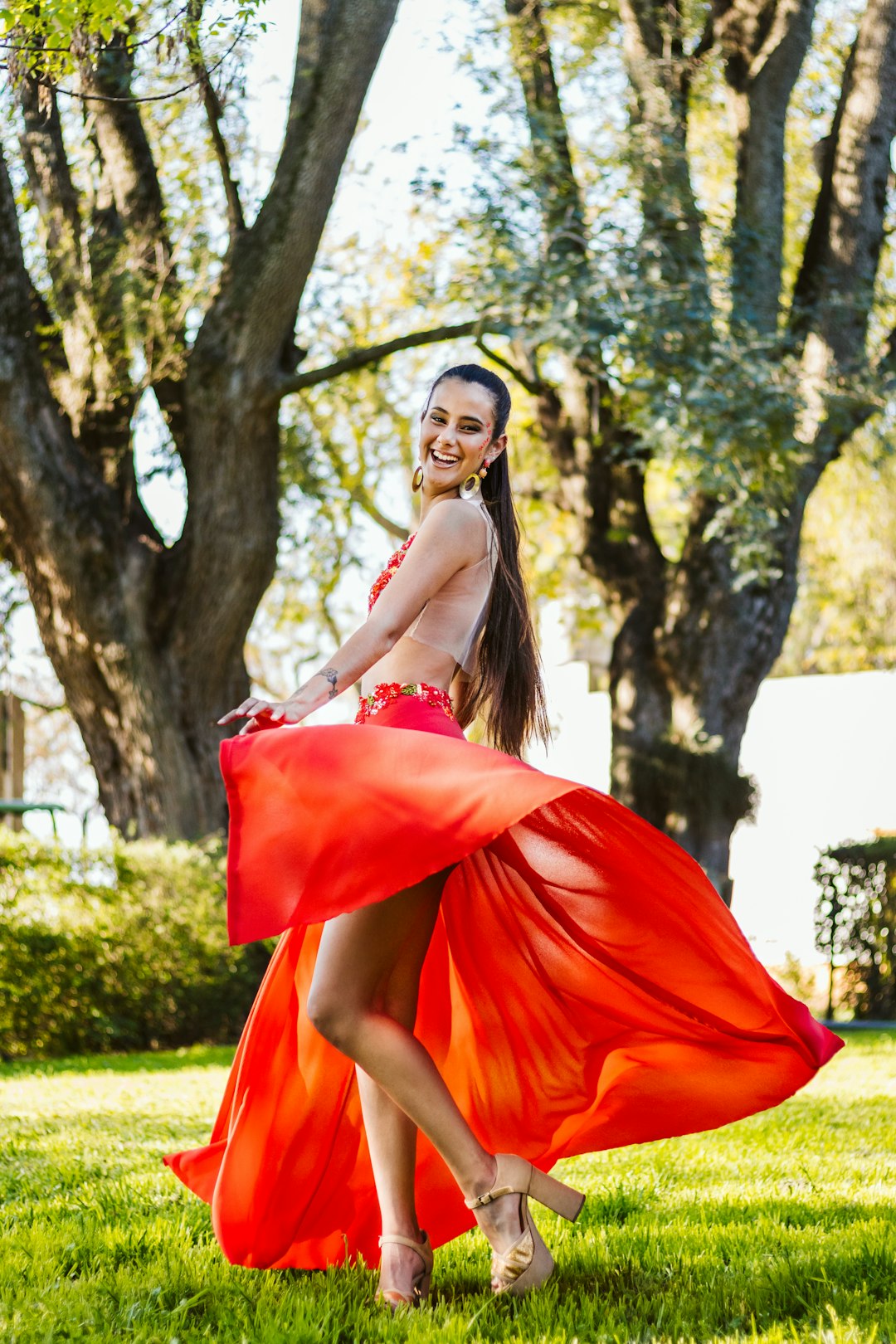
A Beginner's Guide to Contemporary Dance Foundations
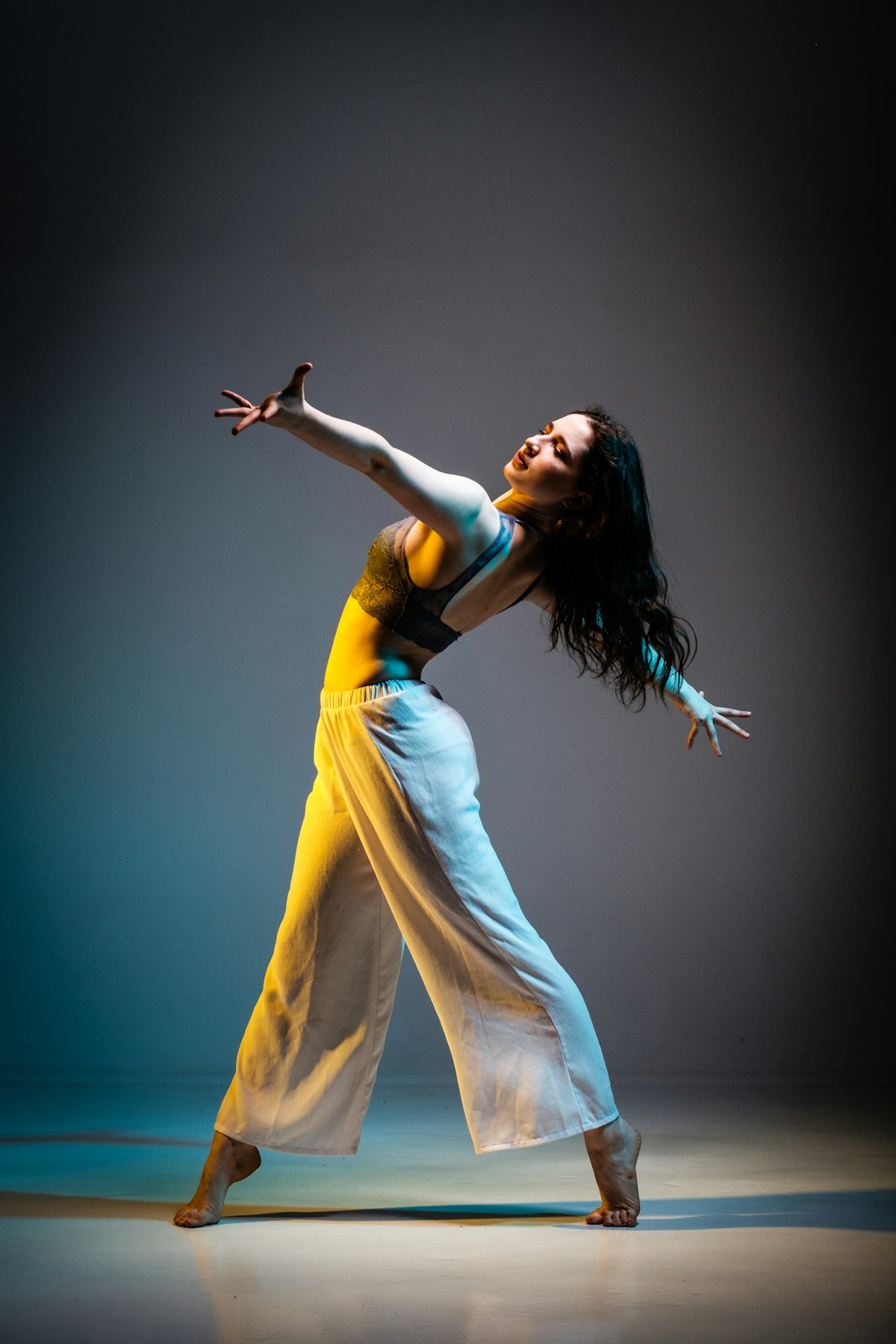
You’re here. Maybe you’ve watched a performance that left you breathless, seen a reel of effortless-looking movement, or simply felt a deep, physical urge to express something words can’t capture. Contemporary dance can feel like a mysterious language—all fluid spines, gravity-defying falls, and raw emotion. But every dancer, from the most renowned to the one reading this right now, started with a first step, a first breath, a first flow.
This isn't about learning rigid steps. It's about rediscovering the intelligence of your own body and giving it permission to speak. Let's build your foundation.
The Foundation is a Feeling
Before we move a muscle, let's address the biggest hurdle: the inner critic. Contemporary dance is an exploration, not a perfection.
Forget "right" or "wrong." There is no single correct port de bras or perfect turn-out here. The goal is authentic movement—movement that feels true and connected to you, in this moment.
Your body has a lifetime of stories, tensions, and rhythms. Contemporary dance asks you to listen to them. Are you holding stress in your shoulders? Let that inform a collapsed, rounded shape. Feeling light and expansive? Let that become a soaring reach.
Three Pillars to Move By
These concepts are your compass. Return to them whenever you feel lost.
1. Breath as the Conductor
Breath is not just oxygen; it's the initiator of every movement. Inhale to expand, to grow, to prepare. Exhale to release, to fall, to surrender. Try this now: Sit or stand. Inhale deeply, let your ribs expand. As you exhale, let your head and chest follow the breath downward. Your breath just created a movement phrase. That's the magic.
2. Weight & Gravity: Your Partners, Not Enemies
Forget fighting gravity. Dance with it. Contemporary dance celebrates weight—the giving into it, the shifting of it, the sudden release of it (a fall). It’s about being heavy to feel light, about using the floor as a source of power, not just a surface to stand on.
3. Isolation vs. Flow
Learn to move parts of your body separately (isolation)—a rolling shoulder, a spiraling rib cage. Then, learn to connect those isolated movements into a seamless river of motion (flow). The contrast between sharp, articulated action and smooth, continuous travel creates dynamic texture.
Your First Movement Explorations
Find a clear space, bare feet on the floor. Wear clothes that let you move. Put on some ambient, instrumental music—nothing with a heavy, dictating beat.
Exercise 1: The Body Scan & Sway
Stand feet hip-width apart. Close your eyes. Scan from your toes to your crown. Notice points of contact, tension, ease. Now, with eyes soft, let your body sway subtly forward/back, side/side, like seaweed in a current. Let your breath lead. Do this for 2 minutes. This is your baseline presence.
Exercise 2: Spine as a String of Pearls
Start standing. Imagine your spine is a string of pearls. Drop your chin to chest and begin to curl forward, one vertebra at a time, until you're in a loose hang. Then, reverse, stacking the pearls back up, crown of the head rising last. Explore curling sideways. This is spinal articulation—the core of fluidity.
Exercise 3: Give & Take with Gravity
Stand tall. Inhale reach an arm up. Exhale, let your entire body follow that arm off-balance into a lunge, a lean, or a step. Recover. Now, exhale quickly and "drop" your weight into a deep plié, as if the floor pulled you. Recover slowly. Play with speed and surrender.
Exercise 4: The Endless Roll
Sit on the floor. Initiate a movement in your wrist. Let it roll into your elbow, then your shoulder, your rib cage, your hips. Can the wave travel down one leg and into the toes? Reverse it. This is flow. There is no destination, only the journey of the impulse.
Creating Your First Mini-Flow
Now, let's sequence these explorations into a 30-second phrase of your own.
- Begin in stillness. Feel your breath. (5 seconds)
- Initiate a spine curl down on an exhale. Hang. (5 seconds)
- From the hang, sway side to side, then let the sway turn into a step. (8 seconds)
- Take that momentum into an arm reach that pulls you into a new shape—a lunge, a turn, a fold. (7 seconds)
- End by returning to stillness, different from your start. Feel the echo of the movement. (5 seconds)
Repeat it. Change it. Make it slower. Make one part bigger. This is your composition. This is your first flow.
The Path Forward
Practice these foundations not as drills, but as daily conversations with your body. Take a class when you're ready—the energy of a studio is irreplaceable. Watch professional work, not to compare, but to expand your sense of what's possible.
Your contemporary dance journey is uniquely yours. It's a practice of curiosity, not critique. It's about finding strength in vulnerability, story in sensation, and freedom in flow. The most important step is the one you're about to take. Now, go move.










