The Moment Everything Clicks
Maria stumbled into her first folk dance class thinking she'd just learn a few steps. Three hours later, she was drenched in sweat, laughing with strangers who'd become friends, and completely hooked on the infectious energy of traditional Romanian circle dances. "I came for exercise," she told me later. "I stayed for the joy."
That's the thing about folk dance that most beginners don't expect. It's not really about the steps.
Start With Your Feet, Not Your Head
Here's what trips up most newcomers: they overthink everything. They stand in the back, watching the instructor's feet like they're solving a math problem. But folk dance was never meant to be studied—it was meant to be lived. Village dancers didn't have YouTube tutorials. They learned by jumping in, messing up, and laughing it off.
Your first class? Expect to feel clumsy. Everyone does. The woman next to you who looks like she's been doing this forever? She once went left when everyone else went right and nearly took out the entire circle.
Let the Music Do the Heavy Lifting
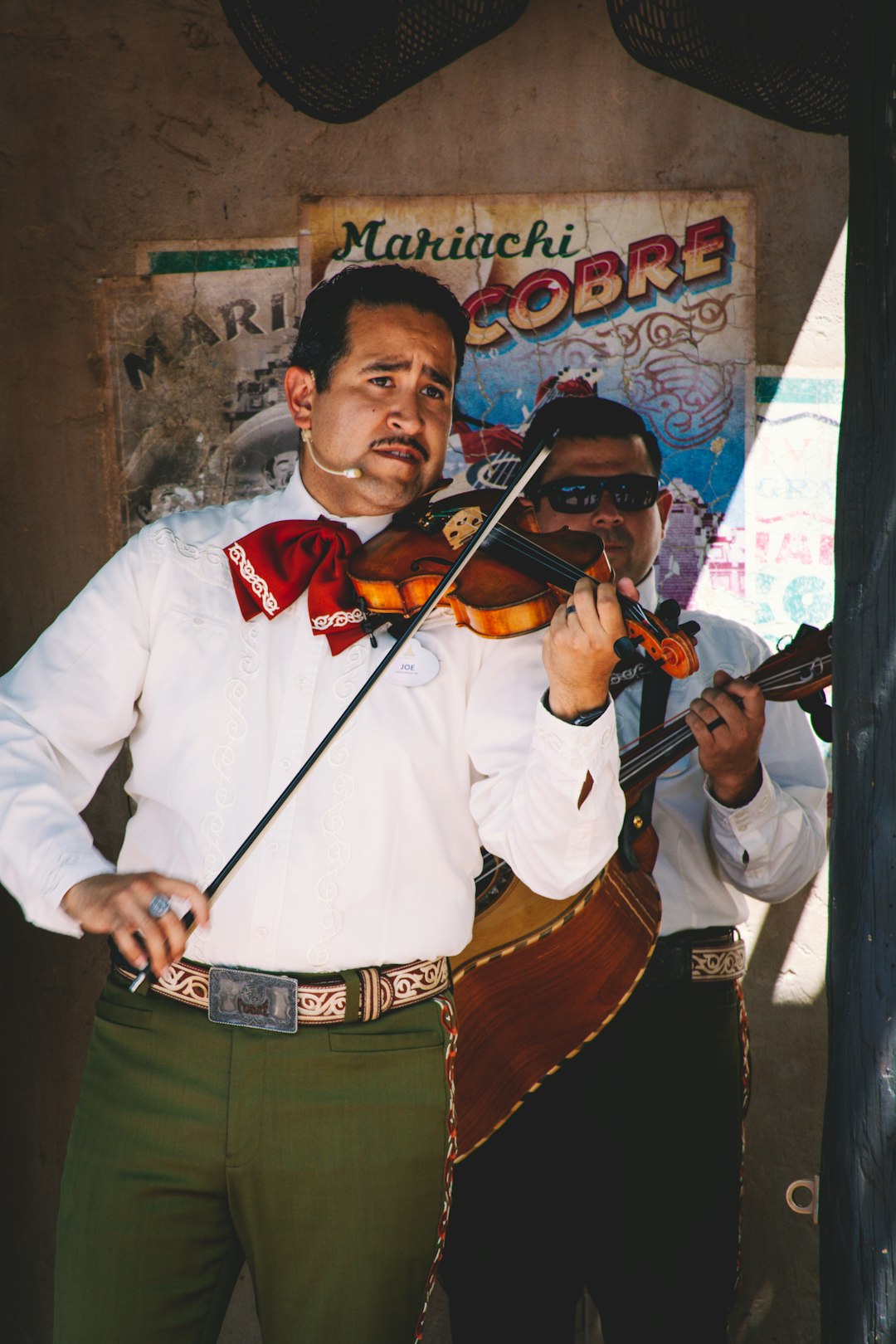
Folk melodies carry centuries of muscle memory in their rhythms. That polka beat? Your body already knows what to do with it—you've just never given it permission. Close your eyes during the instrumental breaks. Let the accordion or fiddle or hand drum sink into your bones.
The dancers who progress fastest aren't the ones with perfect technique. They're the ones who stop fighting the music and start riding it.
Find Your People
Solo practice has its place, but folk dance is fundamentally social. Those intricate formations, the hand-holding, the whoops and calls between dancers—these aren't extras. They're the whole point.
Most cities have folk dance groups that welcome beginners with open arms. Some offer free trial classes. Others host monthly community dances where the beer flows and nobody judges your footwork.
What to Wear (And What to Skip)
You don't need embroidered vests or leather boots. You need shoes that won't stick to the floor and clothes you can sweat in. Some of the best dancers I've known showed up in ratty t-shirts and worn-out sneakers.
The one exception: avoid rubber-soled shoes for turns. Your knees will thank you.
The Real Secret
Nobody masters folk dance. Not really. A grandmother in a Bulgarian village has been dancing the same horo for sixty years, and she's still finding new nuances in it. The goal isn't perfection—it's presence. Being in your body, in the moment, in the circle.
So yes, learn the steps. Practice the basic patterns. But don't forget what drew you here in the first place: the chance to move with others, to feel music in your bones, to connect with something older than any of us.
That first class will feel chaotic. By the fifth, you'll start recognizing patterns. By the tenth, something shifts—and suddenly you're not thinking about your feet anymore. You're just dancing.