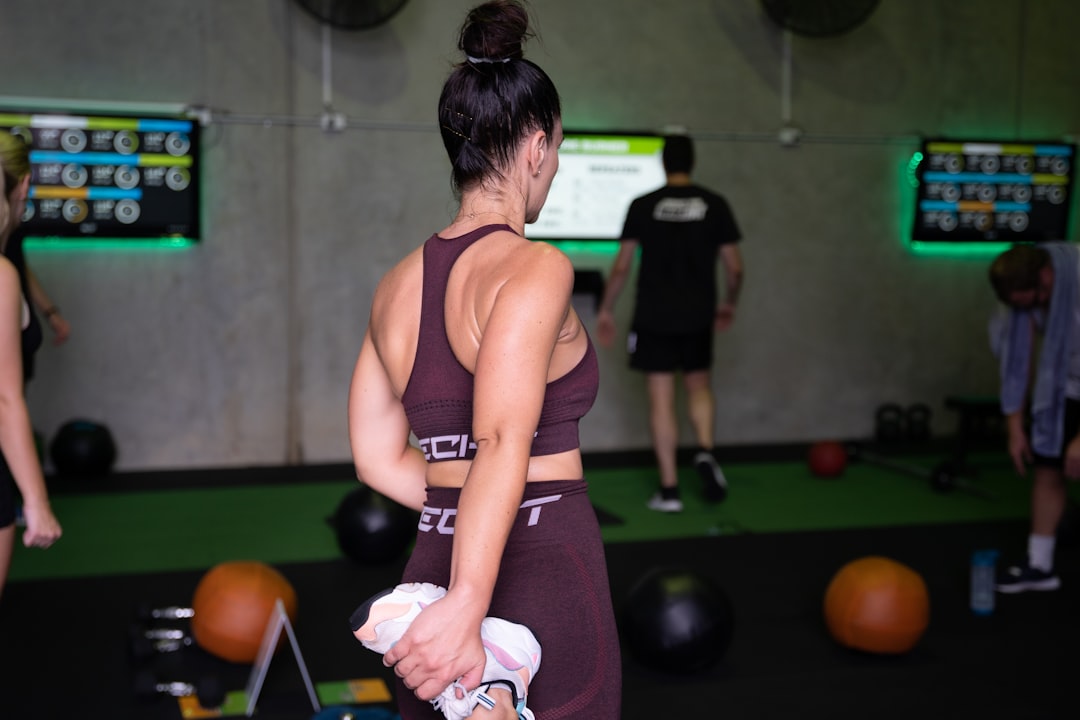
The Back Row Isn't a Punishment, It's a Rite of Passage
You walk in ten minutes early. The studio mirrors catch the fluorescent lights, and somewhere in the corner, a speaker thumps with a bassline that vibrates in your chest. You pick a spot near the exit—just in case—and try to stretch like you know what you're doing. Then the instructor bounds in, hits play, and suddenly everyone's moving in ways your brain hasn't quite downloaded yet.
I've been there. We all have.
That guy in the front row popping every accent like he choreographed the track? He spent six months staring at his own confused reflection. The woman nailing the footwork? She tripped over her own sneakers last Tuesday. Hip hop dance doesn't care about your starting point. It cares that you showed up.
Your Body Will Feel Like a Rental for the First Month
Here's what nobody puts on the studio website: your first attempt at a body roll will look like a malfunctioning robot. Isolations—moving your chest without moving your shoulders, or your shoulders without your ribs—will feel physically impossible, like trying to wiggle one ear at a time. You'll leave class convinced your hips are welded to your spine.
This is normal. Actually, it's necessary.
Hip hop was born in house parties and battles, not ballet academies. The style lives in groove and bounce, not pointed toes and perfect turnout. Your body knows how to ride a beat; it just hasn't been asked to do it consciously yet. Give it twenty days, not twenty minutes.
The Music Has Layers You've Never Noticed
Most people hear lyrics. Dancers hear drums.
When you're starting out, don't stress about catching every move. Stress about catching the pocket—that cushy space between the bass kick and the snare where your body wants to settle. Try this: stand still and just bob your head to a track. Now add your shoulders. Now let that bounce travel down to your knees. That's not choreography; that's conversation. You're answering the music with your body instead of just listening to it.
Start with old-school tracks where the beat sits heavy and obvious—think early Jay-Z, Missy Elliott, or even some old breakbeats. The slower tempo gives your brain time to wire itself to your feet.
The Mirror Is a Liar (and Eventually Your Best Friend)
For the first three weeks, the mirror will only show you what you're doing wrong. You'll spot the person two mats over who somehow makes a simple step-touch look like a music video, and you'll shrink. You'll wonder if your clothes are wrong, if your stance is too stiff, if everyone can see your internal panic.
Then, around week four, something shifts. You catch yourself hitting a move at the exact same moment the bass drops. Your arm angles start matching the instructor's without you checking every two seconds. The mirror stops being a surveillance camera and becomes feedback. But you can't get to week four if you quit at week three because your reflection bruised your ego.
Rhythm Isn't Something You're Born With—It's Something You Steal
"I don't have natural rhythm" is the biggest excuse in dance, and it's nonsense. You walk with rhythm. You blink with rhythm. Your heart literally beats in time.
The difference is practice, not genetics. At home, put on a track while you're brushing your teeth and just shift your weight from left to right. When you're waiting for coffee to brew, practice the bounce—slight bend in the knees, up and down, relaxed spine. These micro-movements rewire your body without the pressure of a class environment. By the time you walk back into the studio, your hips won't feel like strangers anymore.
The Breakthrough Doesn't Look Like a Movie Moment
Spoiler: there won't be a dramatic montage where you suddenly transform into a backup dancer for Beyoncé.
Your breakthrough will be smaller and better than that. It'll be the first time you remember an entire eight-count without looking at the instructor. It'll be catching your own eye in the mirror and not flinching. It'll be staying for the freestyle circle at the end of class instead of ducking out to "tie your shoe."
Those quiet wins stack up. Six months from now, you'll be the one in the second row that newcomers watch when they're lost. You'll forget to be nervous because you're too busy feeling the music.
Show Up Messy
You don't need $200 sneakers. You don't need to know the history of the Bronx in 1973 (though it's worth learning eventually). You don't even need to arrive confident.
You just need to arrive.
Hip hop dance rewards repetition more than talent. The culture was built by kids who practiced on cardboard in parking lots until their knees bruised. The studio floor is no different. Every drop of sweat is interest paid into an account that compounds faster than you expect.
So take the spot near the exit if you need to. Hide in the back row. Mess up the choreography so badly you laugh out loud. Just come back next week and do it again. The groove doesn't find perfect people—it finds persistent ones.
And someday, probably when you're walking home with sore calves and your playlist hitting different than it did that morning, you'll realize you're not faking it anymore. You're just dancing.