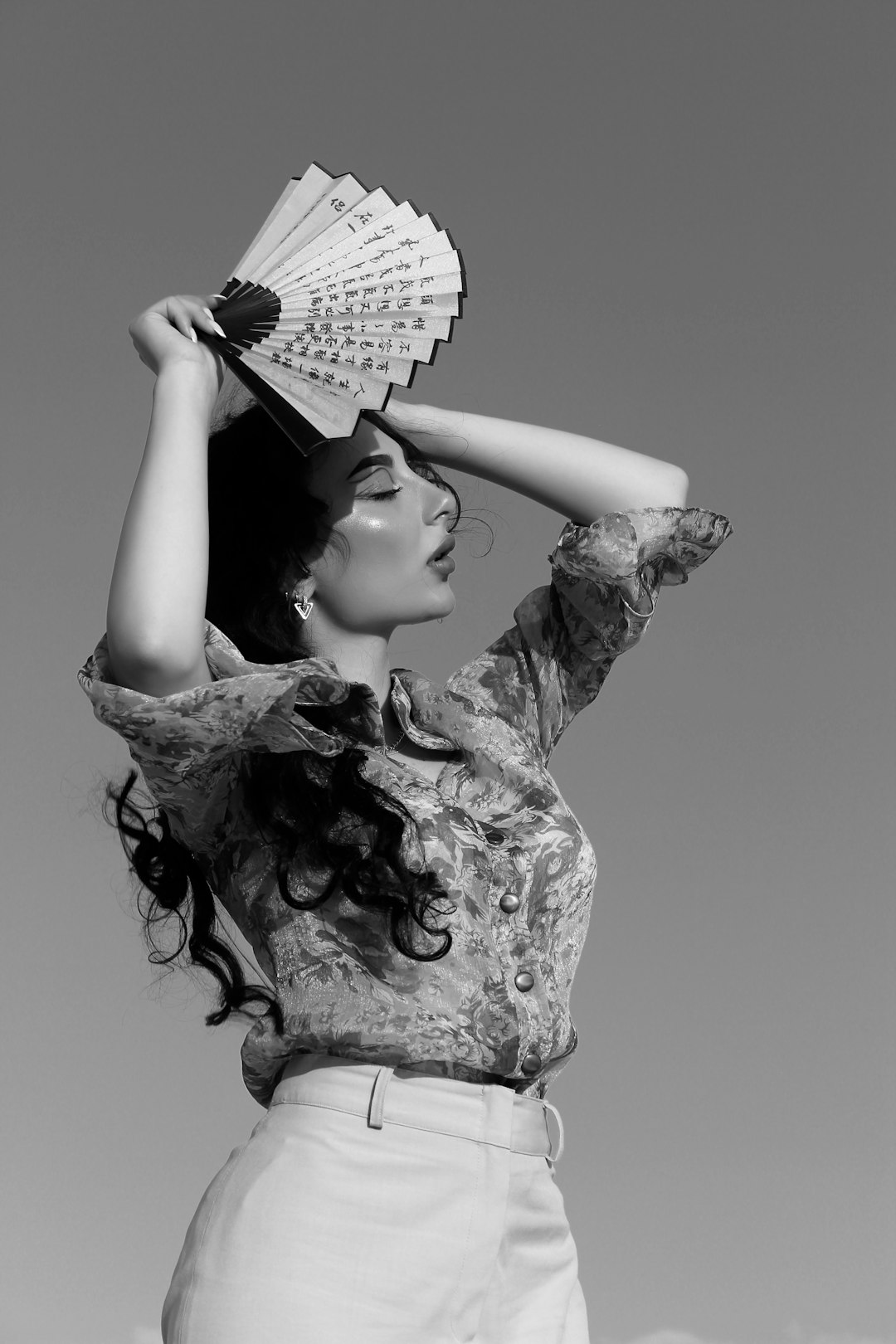
The Club Was Packed. So Was the Floor.
The first time I watched a bebop dancer work, I didn't know what I was seeing. A woman at a late-night session in Chicago was moving through Charlie Parker's "Ornithology" like the music had gotten inside her — not following it, not reacting to it, becoming it. Her shoulders rotated against the beat while her feet landed exactly where the changes landed. Eight bars later she was somewhere else entirely. That was the moment I understood what jazz dancing actually is.
It's not accompaniment. It's conversation.
The problem is most dancers approach jazz music wrong. They treat it like background — something to nod along to, to let wash over them. But the whole point of bebop, swing, boogie-woogie, and everything that came after is that it demands a response. The music asks a question with every phrase, and your body is supposed to answer.
Bebop: Where Technique Meets Vertigo
Bebop emerged from the 1940s jazz underground — musicians playing faster, denser, and smarter than the dance bands of the previous decade. Charlie Parker's alto saxophone moved in serpentine lines, Dizzy Gillespie built pyramids of sound on his trumpet, and Thelonious Monk sat at the piano like he was solving equations nobody else could see. The swing dancers who showed up to these clubs expecting something to sway to were often bewildered.
But the dancers who stayed — who learned to listen differently — found something extraordinary. Bebop demands that your body think. The chord changes move before you expect them to. The tempo doesn't wait for you to catch up. When you're dancing bebop, you're not counting steps; you're in a constant negotiation with the music, staying close enough to hear where it's going and far enough away that you don't get knocked off balance.
"A Night in Tunisia" is the best proof of this. That opening bass line is one of the most disorienting things in popular music — it sounds like it's going one direction and then flips. Dancers who know the track use that moment as a hinge. They drop, they shift, they let the unexpected landing carry them into the next phrase. It's not about being perfect. It's about being awake.
Swing: The Weight of Joy
Swing is the antidote to bebop's intensity, and you need both in your practice. Where bebop is precision and confrontation, swing is release and buoyancy. Duke Ellington's band wasn't trying to impress you with how fast they could play. They were trying to make you feel like the floor was alive.
The difference in dancing is immediate. In bebop you're solving problems; in swing you're sharing something. When Count Basie hit that opening chord on "One O'Clock Jump," hundreds of dancers in the 1930s would move as one organism — not matching each other step for step, but breathing together, riding the same wave. That's what made swing such a social art form. It required a room full of people willing to be ridiculous in front of each other and trust the music to hold them together.
"Take the 'A' Train" still works this way. It has that locomotive momentum — the rhythm section hits a groove so steady you could close your eyes and feel the track physically moving forward. Lindy hoppers talk about "keeping the frame," that solid upper-body connection that lets you follow and lead without speaking. On a track like this, the frame isn't restrictive. It's what gives you the freedom to fly apart and snap back together.
Boogie-Woogie: The Body Can't Lie
If swing is social release, boogie-woogie is personal one. Pinetop Smith's "Pinetop's Boogie Woogie" is eighty years old and it still sounds like someone just sat down at a piano in a juke joint and forgot to stop playing. The bass pattern is hypnotic in a way that electronic music has been trying to replicate ever since. Your hips don't have a choice — they start moving whether you planned to dance or not.
This is the genre that taught me the difference between dancing to music and dancing with it. Bebop is a conversation. Swing is a collective. Boogie-woogie is a trance. The best dancers who work in this style stop thinking about their feet entirely. They let the left hand — the rolling bass on the piano — anchor them, and everything above the waist does what it wants. A good boogie-woogie dancer looks completely unhinged and completely in control at the same time.
The Andrews Sisters understood this when they recorded "Boogie Woogie Bugle Boy." They took the hypnotic groove of boogie-woogie and layered it with the energy of swing, and the result is one of those tracks that makes people who swore they don't dance start tapping their foot, then nodding, then standing up. You can't intellectualize your way out of it. The body responds before the brain catches up.
What You Do With All of It
Modern jazz sits on top of all of this, and that's exactly why it can be so satisfying. Dave Brubeck's "Take Five" works because it takes everything you've learned — the rhythmic alertness from bebop, the social trust from swing, the release from boogie-woogie — and then breaks one of the rules you've internalized. Five-four time sounds wrong at first because you have a four-beat expectation built into you. When you learn to move through it, you understand your own body better. The restriction teaches you something the freedom never could.
Nina Simone's "Feeling Good" is the other direction entirely. You don't need to learn anything for this one. You just need to mean it. The song is built for dancers who are past the point of showing off and ready to perform. The technique is still there — the isolations, the weight changes, the breath control — but all of it serves the emotional delivery. You hear the lyrics about a new dawn and your body doesn't just move to the music. It agrees with the music.
This is what nobody tells you when you're starting out: the playlist isn't the point. The progression through eras, the historical context, the recommended tracks — none of that is the point. The point is learning to listen so deeply that the music stops being something external and starts being something you carry. Bebop teaches your nervous system to stay alert. Swing teaches it to trust. Boogie-woogie teaches it to let go. And the moment all three of those things are true at once, you don't need a genre anymore. You just need the floor.