The Shoes Change Everything
I still remember the first time I slipped on a pair of hard shoes. The weight felt foreign, almost clumsy — until I struck the floor and heard that sharp, satisfying crack echo through the studio. That sound? It hooked me instantly. And it taught me something every Irish dancer eventually learns: your shoes aren't just gear. They're part of your voice.
Getting the right pair matters more than most beginners realize. A bad fit can throw off your timing, kill your confidence, and leave you nursing blisters for weeks. But the right pair? They disappear — you stop thinking about your feet and start dancing.
Hard Shoes vs. Soft Shoes: Two Different Worlds
You'll need both eventually, so let's break them down.
Hard shoes are the percussive powerhouse. Think of them as tiny drums strapped to your feet. The thick soles and metal plates on the toe and heel produce that iconic rhythmic thunder — the sound that makes audiences gasp at feiseanna. When you're shopping for hard shoes, pay attention to three things: how well they hold up under relentless pounding, whether the metal plates ring out with a clean tone (muddy sound = cheap plates), and whether you can actually stand in them for an hour without wanting to cry.
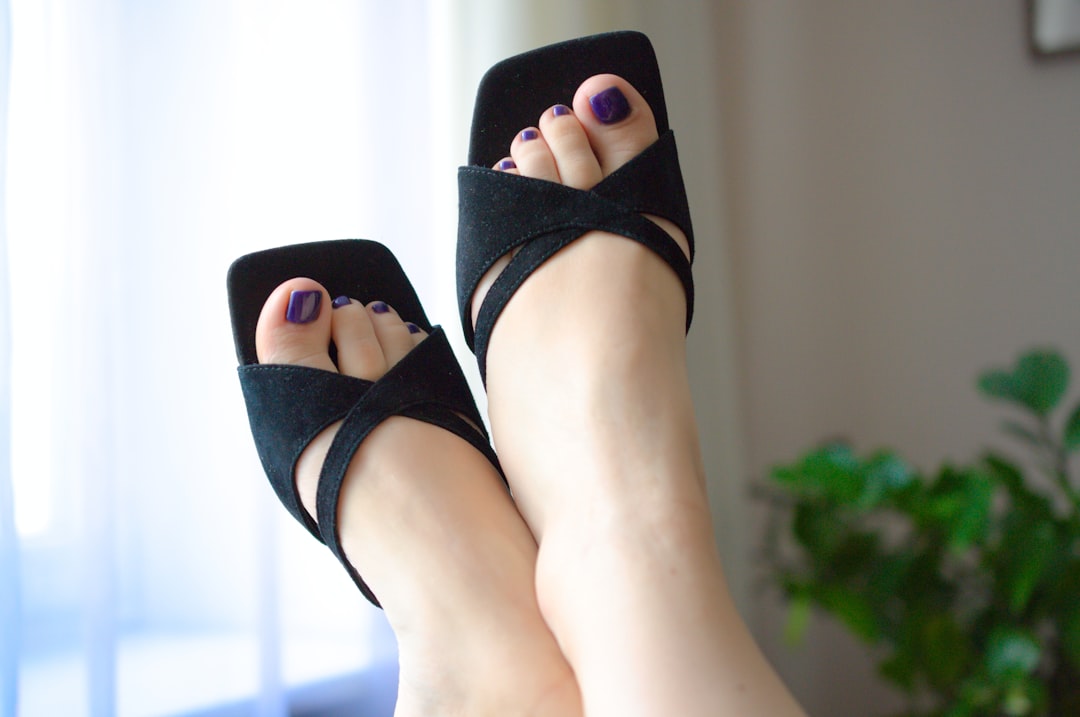
Soft shoes, or ghillies, are a different animal entirely. They're all about lightness and control. The leather sole lets you glide, leap, and flick with precision — no clunking, no resistance. A good pair should feel like a second skin. If they're sliding around on your foot, they're too big. If your toes are curled, they're too small. Simple as that.
Getting the Fit Right
Here's where people mess up most often: they guess their size. Don't. Measure both feet — yes, both, because they're almost certainly different sizes. Use the socks you'll actually dance in when you try shoes on. Walk around. Do a few basic steps. Jump. If something pinches in the store, it'll be torture after thirty minutes of treble work.
One thing worth knowing: most shoes need a break-in period. They should feel snug but not painful on day one. If they're comfortable straight out of the box, they're probably too loose.
Brands That Won't Let You Down
Not every brand earns the trust of competitive dancers, but a few have earned it over decades.
Fays makes solid options for both hard and soft shoes — reliable across skill levels, which is why you'll see them everywhere from beginner classes to championship stages. O'Neill has a loyal following for their sound quality and durability; their hard shoes in particular have a reputation for holding up season after season. And if you want something custom-molded to your foot, McDonagh is worth the investment. They're not cheap, but dancers who swear by them say there's no going back.
Keep Them Alive
A pair of hard shoes can last years if you treat them well. Wipe them down after every session — sweat eats leather. Condition the leather every couple of weeks so it stays supple instead of cracking into stiff cardboard. And please, don't leave them baking in a car trunk or stuffed into a damp dance bag overnight. A cool, dry spot is all they need.
One Last Thing
Your first pair of Irish dance shoes probably won't be perfect. You'll learn what you like, what you hate, and what you'd never tolerate again. That's normal. The important thing is to start with something that fits well and feels right — because once you hear that first clear strike of a hard shoe, or feel the soft leather of a ghillie wrap around your foot, you'll understand why dancers get so particular about their footwear. It's not obsession. It's respect for the craft.