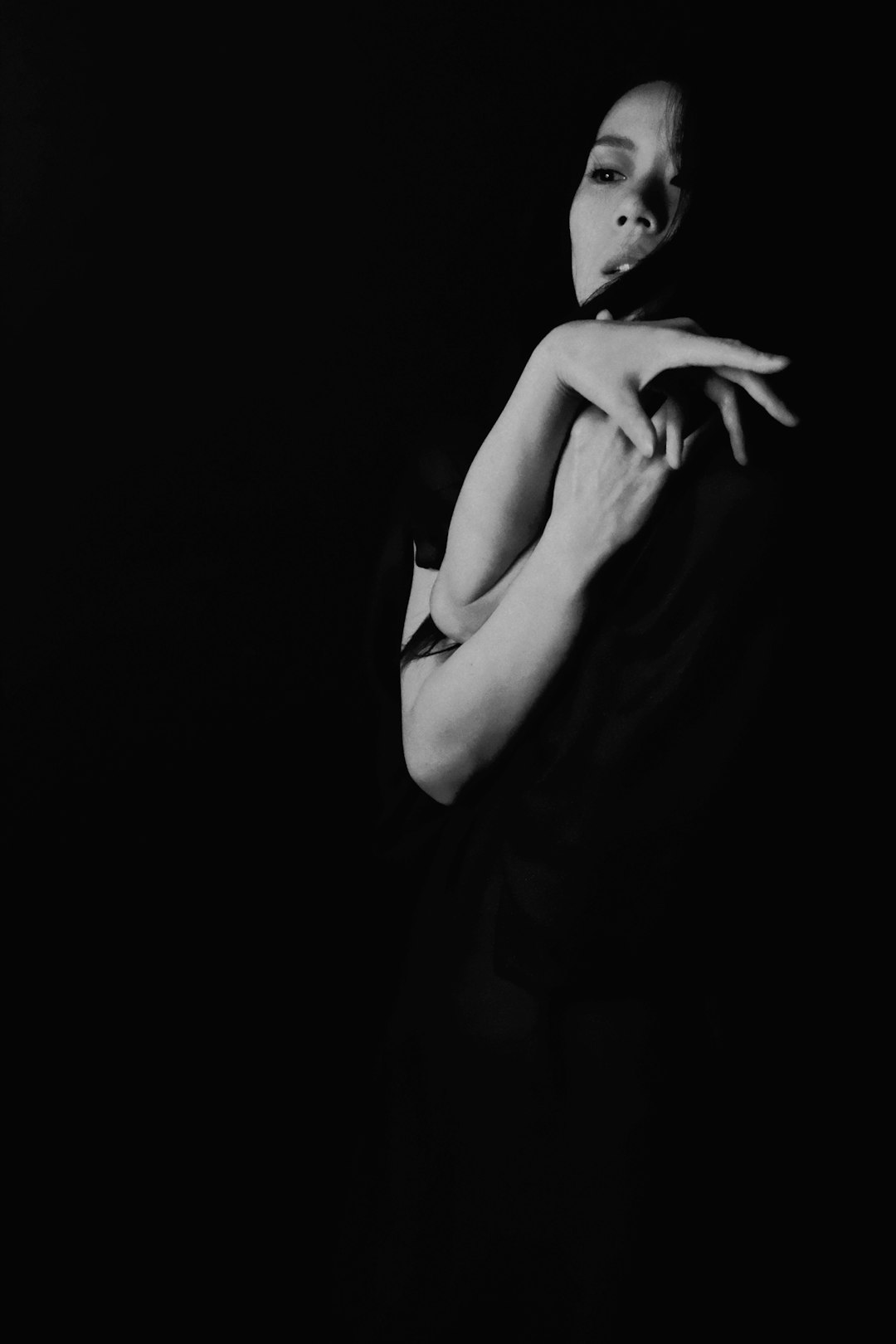
The bass drops, your palm hits the concrete, and for a second, you’re just another newcomer copying YouTube tutorials. But what if you could flip that script from day one? I spent my first six months in sneakers so worn out they had holes on top of holes, learning that breaking isn't about mimicking—it's about translating your story into motion. Forget standing out; let's talk about how to show up as unmistakably you.
Stop Chasing Moves, Start Speaking the Language
I get it. You saw a clip of someone float into a headspin and thought, "I need to learn that." But here’s the raw truth: power moves without foundation are like shouting gibberish. Your first love letter should be to toprock. Seriously. That rhythmic, upright swagger isn't just a warm-up; it’s your opening statement. Mine was awkward—a stiff nod to the beat until a veteran pulled me aside. "Your shoulders," he said. "They're telling the crowd you're scared. Let them talk." So I practiced in my kitchen, shoulders rolling to the funk, until my body understood the conversation before it ever hit the floor.
Craft Your Signature Before You Have One
Everyone says "find your style," which sounds like some mythical quest. It’s not. It’s a series of tiny, conscious choices. Maybe your six-step naturally veers left, creating a lazy, looping circle. Play with that. Don’t fight it; feature it. I knew a guy who couldn’t do a clean freeze to save his life, but he’d collapse into this sudden, boneless drop that looked like a puppet with its strings cut. It was his signature. He built entire sets around that moment of deliberate "failure." Your job isn't to drill a perfect copy of someone else’s baby freeze. It's to notice what your body does when you're tired, frustrated, or ecstatic—and then polish that raw instinct until it shines.
Train in the Gaps, Not Just the Gym
Practice isn’t about logging hours. It’s about consistency in the cracks of your life. I built my foundational strength not in a studio, but while waiting for pasta to boil, holding a chair freeze against the kitchen counter. Muscle memory is forged in those five-minute bursts. But the real magic happens in the cypher. A crew isn’t just a team; it’s a live feedback loop. The first time I bravely jumped into a circle, my "power move" was a clumsy collapse. Instead of laughing, a B-boy showed me how to use that fall, how to roll my weight to spring back up. That’s the gift of a crew: they see the potential in your mistakes.
Respect the Machine
This body is your instrument, and breaking will test its limits. I learned the hard way that "pushing through the pain" is a fast track to a sidelined wrist. Hydration isn’t a suggestion; it’s your fuel. Sleep is when your brain wires those movement patterns together. Treat yourself like an athlete. Fuel the machine with real food, give it rest days, and for goodness sake, warm up your wrists and ankles. The floor doesn’t care about your enthusiasm; it respects only preparation.
Break the Pattern, Not Just the Moves
Here’s the final secret: the crowd remembers what surprises them. Don’t just link moves—create a narrative. Start with a slow, deliberate toprock that builds intensity. Let your footwork tell a story of evasion. Then, when everyone expects a big power move, drop into a slow, controlled freeze, holding their gaze. That contrast—that musicality and intentional choice—is what separates a dancer from an athlete. It’s what makes your performance a moment, not just a display.
So lace up, not to copy the greats, but to begin the lifelong conversation with the floor. The most groundbreaking move you’ll ever learn isn’t a windmill or a flare. It’s the moment you stop asking, "How do they do that?" and start declaring, "This is how I do it." Now go leave your mark.