Where to Actually Start Dancing
So you want to learn folk dance. You've probably typed "folk dance classes near me" into Google a dozen times, stared at the results, and felt more confused than when you started. I get it — Grand Detour City has options, but knowing which one fits your vibe is a different story.
Here's the thing nobody tells you: these institutions aren't interchangeable. Each one has a personality, a specialty, a reason it exists. Find the right match, and you'll wonder why you ever waited. Pick wrong, and you'll end up in a sterile studio wondering if folk dance just isn't for you.
It is. You just need to find your people.
Grand Detour Folk Dance Academy — When You Want the Full Package
This is the one that shows up first in every search, and honestly? It earns that spot. The Academy wraps everything into one neat package — dozens of dance styles under one roof, instructors who've been teaching longer than you've been alive, and a schedule that actually works around a 9-to-5.
Walk into their main studio on Maple Street during a Balfolk night, and you'll see what I mean. Beginners stumble alongside veterans, nobody bats an eye, and by the end of the night you've learned steps you didn't think your knees could still manage. The facilities are clean, the sound system doesn't distort, and there's enough space to actually move without kicking someone else's shoes.
What surprised me: they take a la carte seriously. Don't want a full commitment? Drop into single classes. Want to go pro? Their performance troupe auditions every spring, and the showcase at the summer arts festival is genuinely worth watching.
Book a trial class before you commit to a semester. Most people find their fit in the first session.
Heritage Dance Studio — When Roots Matter More Than Reach
If the Academy is a department store, Heritage Dance Studio is that hole-in-the-wall restaurant your friend won't stop talking about. Smaller. Quieter. Somehow more alive.
This place focuses on what matters locally — the folk dance forms that grew up in Grand Detour City's neighborhoods, passed down through families, almost lost before a group of stubborn dancers decided to keep them breathing. Their workshops feel less like class and more like sitting in a grandmother's kitchen while she shows you how her mother moved.
The crowd skews older and warmer. I watched a woman in her seventies teach a twenty-something the precise way her great-grandmother danced at harvest celebrations in the 1940s. That's not metaphor. That's literally what happens here.
Family-friendly isn't a marketing line — kids at Heritage actually belong. Bring everyone. Stay for the potluck after the Saturday workshop. Don't skip the potluck.
Global Folk Dance Institute — When the World Is Too Small
Some dancers don't want to learn locally. They want to learn everything, everywhere, all at once. The Global Folk Dance Institute satiates that hunger.
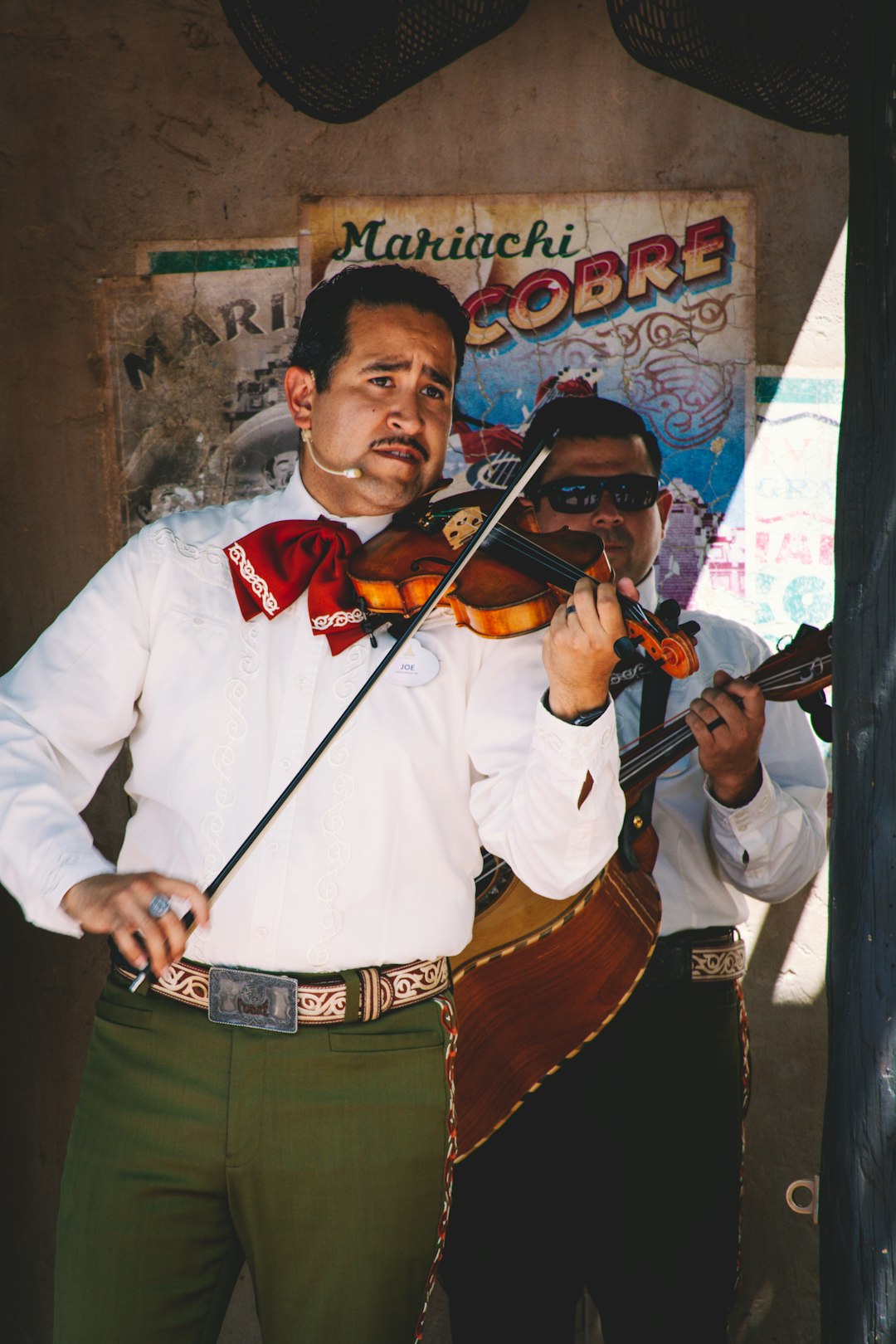
Balkan beats. Irish ceili. Brazilian forró. Indian bhangra. This place rotates through enough international styles to make your passport jealous, taught by instructors who flew in specifically to share their craft. The cultural exchange events aren't performative — they're genuinely run by communities who want connection, not spectators.
The trade-off: everything moves fast. If you want deep-rooted mastery in one style, go elsewhere. If you want to taste the entire world and figure out which flavor haunts you, this is your laboratory.
Pro tip: their "dance expedition" trips aren't tourist vacations. Think two weeks in a Bulgarian village with five hours of daily instruction. That kind of thing. Sign up early — spots vanish.
Dance of the Ancestors — When History Feels Personal
This one confuses people at first. It's not a studio in the traditional sense. It's a movement, a preservation project, a living archive wrapped in a body.
Ancestral and indigenous folk dances — the ones nearly extinct, the ones carried on only in memory — get revived here. Not reconstructed from YouTube videos, but learned from elders too often overlooked elsewhere. The storytelling emphasis isn't aesthetic. It asks you to carry meaning, not just movement.
What you'll experience: costume workshops using techniques from generations ago. Music made on instruments you won't find in a music store. Performances at community festivals where the audience isn't watching — they're participating.
This isn't for everyone. If you want light exercise and a fun night out, save yourself the commute. If you want to understand why dance ever existed as more than entertainment, show up with an open question.
Your Move
Here's what I wish someone told me a year ago: you don't need to choose the best. You need to choose the one that makes you want to come back.
Try the Academy for a week. Then try Heritage. Then Global. Notice which studio makes you check your phone less. Which floor makes your feet feel lighter after. Which people you actually want to grab coffee with after class.
That's how you know.
Grand Detour City's folk dance scene isn't waiting for you to be ready. It's just waiting for you to show up.