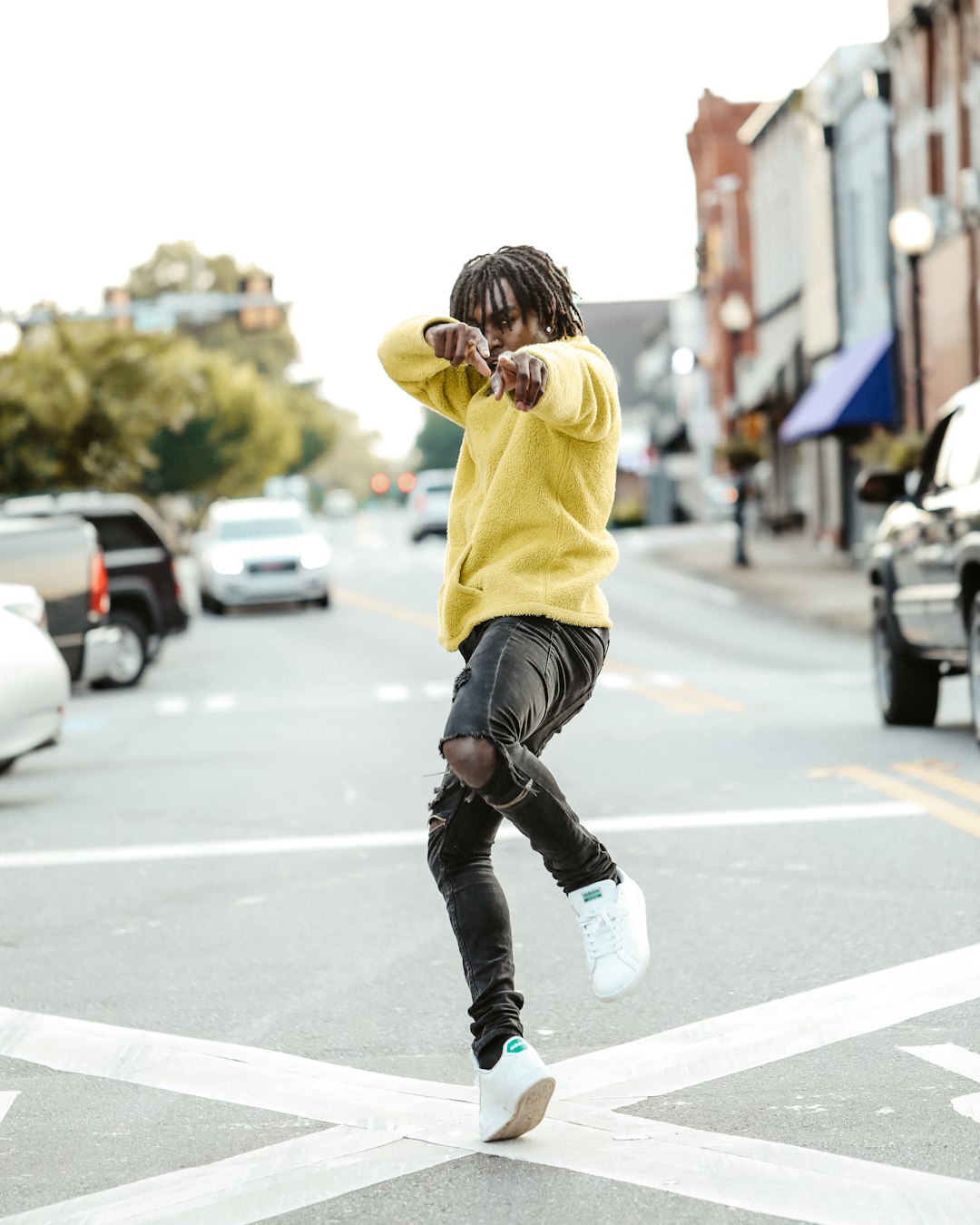
Learning tap dance is a thrilling journey where your feet become the instrument and the floor your drum. For newcomers, the unique vocabulary can seem like a foreign language, but don't let that hold you back! Mastering these foundational terms is your first step toward fluency. It will help you understand instructor cues, break down combinations, and build the strong technical base needed to progress confidently. More importantly, learning this language is the key to unlocking your creativity and truly conversing with the music through your taps.
Let's explore the essential terminology, grouped to mirror your natural learning progression from simple sounds to foundational patterns.
Before You Begin: Quick Tips
- Find a Hard Surface: Practice on a non-carpeted floor like wood, tile, or vinyl for the clearest sound.
- Listen Closely: Pay as much attention to the sound you make as the movement. Clean, distinct sounds are the goal.
- Start Slow: Speed comes later. Begin slowly to master the weight transfer and isolation of each movement.
The Alphabet: Basic Sounds & Strikes
Think of these as the individual notes in your tap vocabulary. Clean, isolated sounds are the bedrock of all more complex steps.
Heel Drop
A sharp, clear, percussive accent made by dropping the heel of your tap shoe firmly to the floor.
- Practice Tip: Keep your leg straight but not locked. Let the weight of your leg create the sound.
Toe Tap
A light, precise sound made by tapping the tip (toe) of your tap shoe against the floor.
- Practice Tip: Lift your knee slightly to isolate the foot and aim for a crisp, distinct "tap."
Ball Change
A swift, two-sound weight transfer. It consists of a quick step onto the ball of one foot (often an unaccented "and"), followed by an immediate step onto the ball of the other foot (the accented "ONE").
- Practice Tip: Start slowly. The key is the rapid transfer of weight from one foot to the other.
Building Blocks: Fundamental Moves
Now, let's combine motion and sound. These are the core movements you'll use constantly.
Brush
A fundamental swing of the leg where the ball of your shoe strikes the floor in a forward or backward motion, creating a single, sweeping sound.
- Practice Tip: Keep your leg relaxed and initiate the swing from your hip, not just your knee.
Shuffle
The cornerstone of tap! This is a two-sound move combining a forward brush and an immediate backward brush with the same foot. It creates a quick "shh-shh" rhythm.
- Practice Tip: Focus on getting two clear, even sounds. The magic is in the rebound of the foot.
Adding Complexity: Beginning Steps & Combinations
These steps introduce coordination and rhythm, layering the basic sounds and moves you've just learned.
Flamenco Tap
A stylish, two-sound step: a toe tap followed rapidly by a heel drop from the same foot. It mimics the flair of Spanish flamenco dance.
- Practice Tip: Isolate the toe tap first, then add the heel drop. Aim for a quick "ta-TOM" rhythm.
Cramp Roll
A smooth, four-sound roll (e.g., toe-heel-toe-heel) that often travels slightly. The sounds flow into one another, creating a continuous, rumbling effect.
- Practice Tip: Start very slowly, placing each part of your foot deliberately to master the weight transfer and rolling motion.
Paddle and Roll
A distinct, four-sound roll (toe-heel-toe-heel) performed strictly in place. Emphasize the separation between each sound to create a rhythmic, chugging pattern, like a locomotive.
- Practice Tip: Think "PAD-dle and ROLL," focusing on making each of the four sounds clear and separate.
The Foundation: Core Patterns
These are classic rhythmic sequences that form the backbone of tap routines and improvisation.
Time Step
A classic, rhythmic building block used to start a routine or establish tempo with a band. There are many variations, but a basic single time step might sound like: "STAMP (heel), step, heel, step, STEP, ball-change."
- Practice Tip: Learn the rhythm by clapping or saying it out loud before adding your feet. Watch a basic time step tutorial here (link to external video resource).
Clog Step
A sturdy, grounded step with folk dance roots, often involving a shuffle followed by a firm, accented stamp.
- Practice Tip: Focus on the contrast between the light, swift shuffle and the powerful, weighty stamp that follows.
Your Next Step on the Dance Floor
See how it all connects? You start by mastering the clean sounds of a Heel Drop and Toe Tap. Then, you combine them into a Shuffle. Soon, you're linking Shuffles and Ball Changes into a classic Time Step pattern. This vocabulary is your toolkit.
Now that you know the terms, put this knowledge into action. Watch a beginner tap tutorial online and see how many of these steps you can identify. Then, the real fun begins: grab your shoes, find a hard surface, and start making your own rhythm. Remember, every great tapper started with these very first steps.
Happy tapping!
Quick-Reference Glossary | Term | Core Description | | :--- | :--- | | Heel Drop | One sound: dropping the heel. | | Toe Tap | One sound: tapping the toe. | | Ball Change | Two sounds: swift weight transfer. | | Brush | One sound: forward/backward leg swing. | | Shuffle | Two sounds: forward & back brush. | | Flamenco Tap | Two sounds: toe tap + heel drop. | | Cramp Roll | Four sounds: smooth, traveling roll. | | Paddle & Roll | Four sounds: sharp, in-place roll. | | Time Step | Rhythmic pattern to set tempo. | | Clog Step | Shuffle + a strong stamp. |










