The Stuff I Wish Someone Had Said Before I Started
I remember my first belly dance class vividly — a dusty community center, a mirror that made everyone look two inches shorter, and an instructor who moved like her hips were made of liquid mercury. I stood in the back row trying to shimmy and looked like a malfunctioning washing machine.
That was twelve years ago. Now I teach, perform at festivals, and get paid to do the thing I once embarrassed myself doing for free. But the path from "what am I doing" to "this is my career" had way more twists than any Instagram highlight reel suggests.
So here's what actually matters when you're starting out.
Practice That Actually Works
Forget the "practice 30 minutes a day" advice you see everywhere. It's not about clock-watching. Ten minutes of focused drilling on a single hip drop — really feeling the weight shift, the muscle engagement, the snap — beats an hour of half-awake shimmying in front of Netflix.
Your body learns through repetition with intention. Record yourself. Watch it back. Cringe. Then do it again. The cringing is how you know you're improving.
The Four Moves That Change Everything
Every flashy combination you see on stage is built from a surprisingly small toolkit. Nail these and you'll pick up everything else faster:
Hip drops and lifts — sounds simple until you try to do them cleanly at tempo. The control lives in your obliques, not your legs. Once that clicks, your transitions transform overnight.
Rib cage isolations — this is where belly dance separates from every other dance form. Your hips stay still while your upper body draws circles, figure-eights, slides. It feels impossible at first. Then one day it doesn't.
Arm lines — your hands and arms tell the story. A lot of beginners ignore them entirely because they're so busy concentrating on their torso. Don't be that dancer with floppy noodle arms.
Spotted turns — pick a spot on the wall, whip your head around to find it each rotation. Sounds elementary. Most beginners look like they're searching for a lost contact lens.
Find a Teacher Who Pushes Back
YouTube tutorials are fine for picking up a combination. They will not fix the shoulder tension you don't know you have, or the timing issue that's invisible to you but obvious from three rows back.
A good instructor corrects you in real time. A great one understands your body's specific habits and builds your training around them. Seek out workshops, even if they're in a different city. The investment pays for itself in months, not years.
Music Is Your Partner, Not Your Background Track
Here's a trap new dancers fall into: they learn choreography to one song and perform it mechanically. The music swells — nothing changes. The percussion drops out — still the same energy.
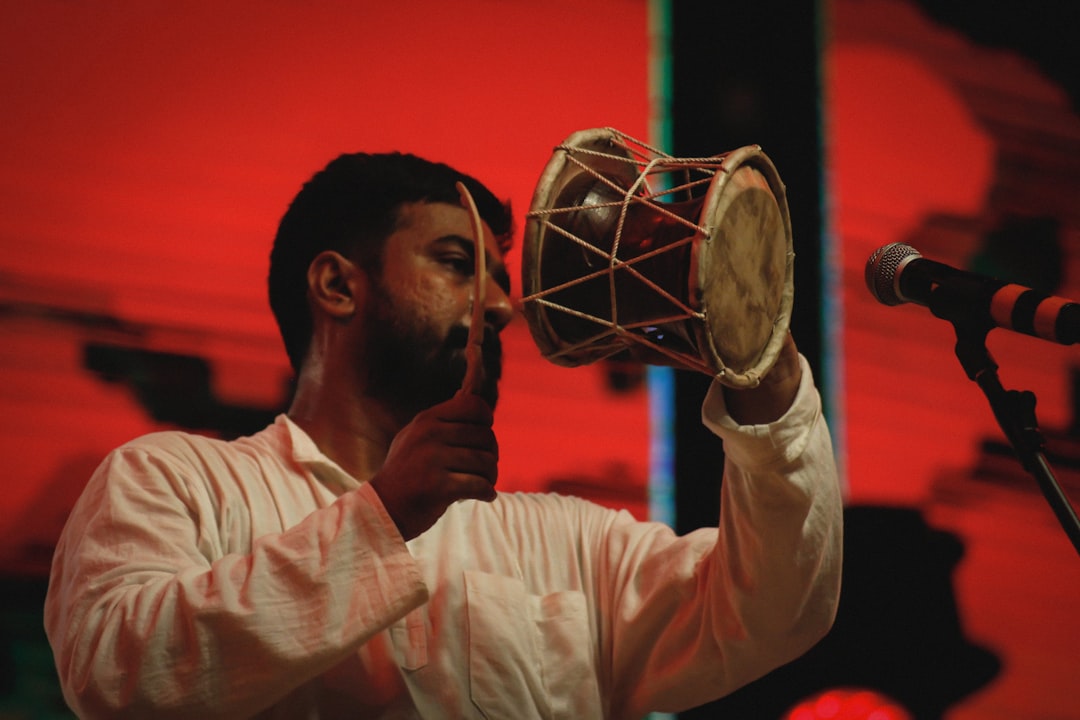
Listen to Arabic pop, Turkish classical, Egyptian shaabi, Indian fusion. Feel how a darbuka pattern demands sharp, percussive hips while a violin wants long, sweeping curves. Your body should be having a conversation with the music, not just moving on top of it.
Your Body Will Thank You for Cross-Training
Belly dance looks gentle. Your lower back will disagree after your first hour of sustained undulations. Core strength isn't optional — it's what lets you dance for an hour without your technique falling apart at minute twenty.
Yoga for flexibility and body awareness. Pilates for deep core stability. Even light weight training for shoulder endurance if you do prop work with fans or wings. You don't need to become a gym rat, but you do need to show your body some respect outside the studio.
Get on Stage Before You Feel Ready
You will never feel fully prepared. Sign up for the student showcase anyway. Dance at the community hafla. Volunteer for the local cultural festival. Every time you perform under pressure, you learn something no classroom can teach — how to recover from a missed cue, how to connect with strangers through movement, how to keep smiling when your veil gets tangled.
The dancers who wait until they're "good enough" wait forever.
Dress the Part (Without Going Broke)
A bedlah that fits properly changes how you carry yourself on stage. It doesn't need to cost a fortune — plenty of gorgeous, well-made costumes come from small studios on Etsy or direct from makers in Egypt and Turkey. Get measured properly. Avoid the temptation to buy something two sizes too small because it looked amazing on the model.
Your costume should move with you, not fight you.
Keep the Fire Going
Burnout is real, especially around month six when the initial excitement fades and you're grinding through technique that feels repetitive. Switch styles for a month — try ATS if you've been doing Egyptian, or take a drum solo workshop to shake things up. Watch performances that make you feel something. Dance alone in your living room to music you'd never use in class.
The dancers who last aren't the most talented. They're the ones who stayed curious.
The Honest Truth
Belly dance will humble you repeatedly. You'll have classes where nothing works and performances where you forget your choreography halfway through. That's not failure — that's the process showing up and doing its job.
Start before you're confident. Practice with purpose, not just habit. Find your people. And trust that the body you're training today is building the dancer you'll become next year.
Now go put on some music and move.