The Day I Realized I Couldn't Stand Still
I still remember my first Irish dance class. The fiddle music started, everyone around me began moving their feet like their legs had minds of their own, and I stood there awkwardly, completely lost. My teacher smiled and said, "Don't worry—we all looked like baby deer on ice at first."
That was three years ago. Now, when I hear a reel, my feet start moving before my brain even catches up.
If you're thinking about trying Irish dance, or you've just started and feel like you'll never get it, I promise you're in the right place. Let me share what I wish someone had told me on day one.
Shoes Matter More Than You Think
Here's something that surprised me: Irish dance has two completely different shoe types, and they change everything about how you move.
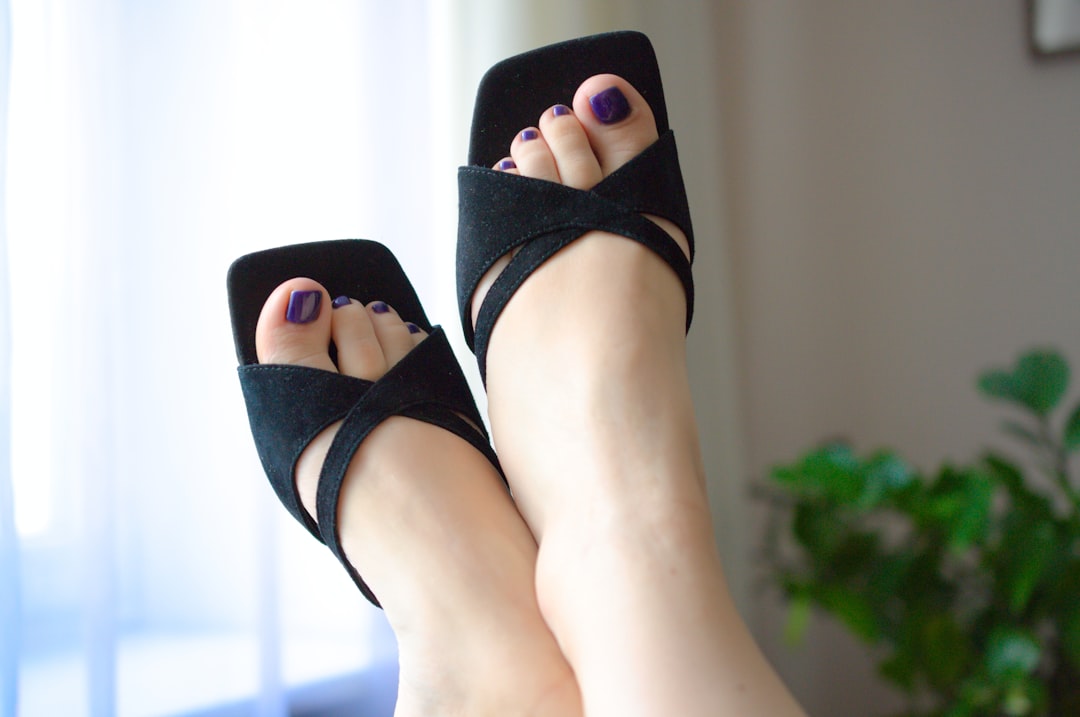
Soft shoes (called ghillies) feel almost like dancing barefoot. They're for lighter, faster dances like reels and slip jigs. When you wear them, you're focused on being light, quick, and graceful—think of a bird skipping across water.
Hard shoes are built differently. They have fiberglass tips and heels that click and clack against the floor. These are for hornpipes and treble jigs, where you become part of the percussion section. It's satisfying in a way I can't describe—you're making music with your body.
Most beginners start with soft shoes, and honestly, that's smart. You need to learn how to move before you add the noise. But don't be surprised if you find yourself eyeing the hard shoes after a few months. The sound is addictive.
Posture Isn't Just About Looking Good
You know how Riverdance dancers look so stiff? Arms glued to their sides, backs straight, faces calm? I thought it was just for aesthetics.
Turns out, there's a practical reason. When your arms stay still, your legs can move faster and more precisely. It's physics. All your energy goes into your footwork instead of being wasted on arm waving.
But here's the thing nobody mentions: holding that position takes real core strength. My first month, my abs were more sore than my feet. Now I understand why my teacher kept saying, "Engage your core!"
If you're struggling with posture, don't beat yourself up. It takes time to build the strength to hold it. Just keep practicing.
Start Small: The Steps That Build Everything
Irish dance footwork can look impossibly fast and complex. But every complicated routine breaks down into simple pieces.
The hop step is usually where everyone starts. It sounds basic—hop on one foot, step onto the other—but when you do it in rhythm, suddenly you're dancing.
Then there's the side step and sevens. Sevens are exactly what they sound like: you take seven steps to the side, then change direction. Sounds simple, but it's the foundation for traveling across the floor in almost every dance.
I practiced these three moves for weeks before my teacher added anything else. At the time, I was impatient. Now I'm grateful. Those basics are in every dance I've learned since.
Your Ears Are Your Best Teacher
Here's something that took me too long to figure out: Irish dance isn't just movement—it's movement married to music.
Jigs are in 6/8 time. Reels are in 4/4. Hornpipes have a swing to them. If you can't hear the difference, you'll always feel a step behind.
My breakthrough came when I started listening to Irish music outside of class. I'd play reels while cooking dinner, jigs during my commute. I'd tap my fingers on the steering wheel, trying to lock in the rhythm.
When I finally understood the music, the dancing clicked into place. The steps made sense because they fit the sound.
The Truth About Progress
Some days you'll feel like a natural. Other days, you'll trip over your own feet during a step you've done a hundred times.
That's normal. Every dancer I know—no matter how experienced—has days where nothing works. The trick is showing up anyway.
I practice for 20 minutes most days. Not hours. Not intense sessions. Just consistent, focused repetition. It's how I went from stumbling through basics to performing at my school's annual show.
You Don't Have to Do This Alone
YouTube tutorials exist, and they're helpful. But there's nothing like having a teacher watch you dance and say, "You're lifting your heel too early" or "Turn your foot out more."
A good instructor spots things you'll never see yourself. They push you when you need pushing and slow you down when you're rushing ahead.
Plus, dancing with other people is fun. The community aspect of Irish dance—classes, workshops, performances—is something I didn't expect to love as much as I do.
One Last Thing
I used to watch videos of champion Irish dancers and think, "I'll never be that good."
Here's what I know now: they weren't born dancing like that. They started exactly where you're starting—confused, awkward, and excited. They just kept going.
So lace up your shoes. Find a class. Let yourself be bad at something new. The rhythm will come.