The Music Makes the Magic
Picture this: a room full of dancers, feet stomping in unison, skirts swirling, laughter bouncing off the walls. Now imagine that same room with the wrong music playing. Flat. Lifeless. The steps are the same, but the spark? Gone.
That's the thing about folk dance — the music isn't background noise. It's the heartbeat.
Start With What You're Actually Dancing
Seems obvious, right? But you'd be surprised how many people throw on a generic "folk music" playlist without thinking about what their feet are supposed to do. An Irish jig moves at breakneck speed — your music better keep up. A Bulgarian horo has those tricky uneven rhythms that trip up even experienced dancers. Greek syrtos sways differently than a Romanian sirba.
Before you hit play, ask yourself: what does this dance feel like? Then find music that matches that feeling.
Go Straight to the Source
Traditional tunes exist for a reason. They've survived decades — sometimes centuries — because they work. The melody of "Zorba the Greek" didn't become iconic by accident. Those old Bulgarian wedding bands weren't recording for Spotify; they were playing for dancers who knew every beat by heart.
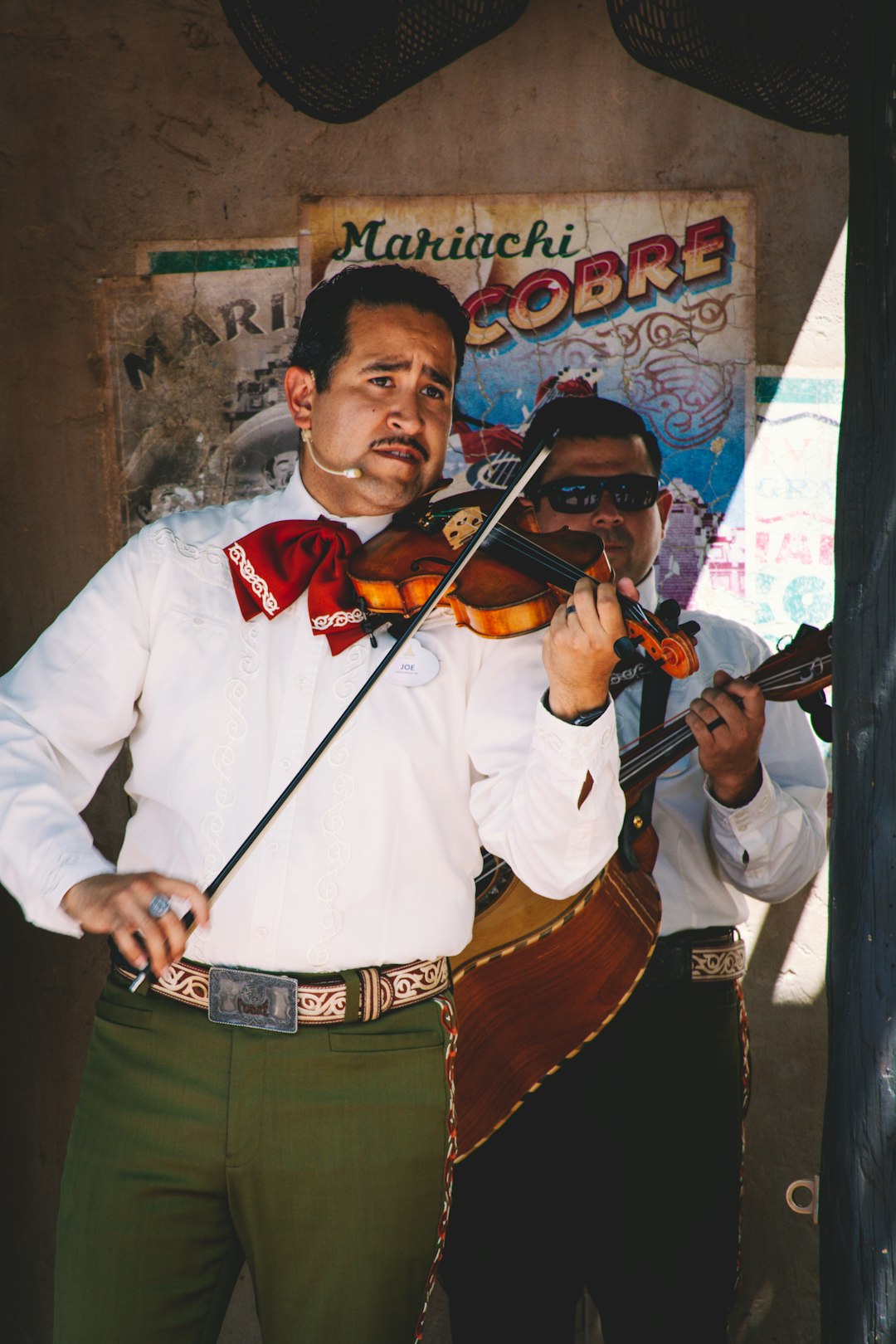
Dig into field recordings. Look for albums from regional ensembles. The authenticity hits different when the musicians grew up dancing to the same rhythms they're playing.
Old Meets New (And It Slaps)
Here's where things get interesting. The Hu takes Mongolian throat singing and layers it over heavy rock — and somehow it makes you want to move. Balkan Beat Box throws electronic grooves under Eastern European brass. These aren't "folk music" in the traditional sense, but they carry the same raw energy.
Mix a few of these into your playlist between the classics. The contrast keeps dancers on their toes — literally.
Build Your Set Like a DJ
Think energy curves, not random shuffle. Open with something warm and inviting — a slow waltz, a gentle kolo. Let people find their rhythm. Then crank it up. Build to those peak-energy tracks that make everyone throw their arms up. Pull back again before the finale.
A good playlist breathes. It doesn't just blast full speed from track one.
Match the Room, Not Just the Dance
A backyard party with twelve friends needs different music than a festival stage with two hundred dancers. Intimate settings call for acoustic instruments, melodic lines you can hum along to. Bigger crowds want bass, brass, and beats that shake the floor.
Read the room. Adjust accordingly.
Make It Yours
Here's my honest take: rules are guidelines, not laws. If a non-traditional track makes your dance group light up, use it. If a particular violin recording gives you chills every time, put it on repeat. The best folk dance playlists aren't assembled by committee — they're built by people who genuinely love the music.
Your playlist should make you want to dance. If it does, chances are everyone else will feel it too.