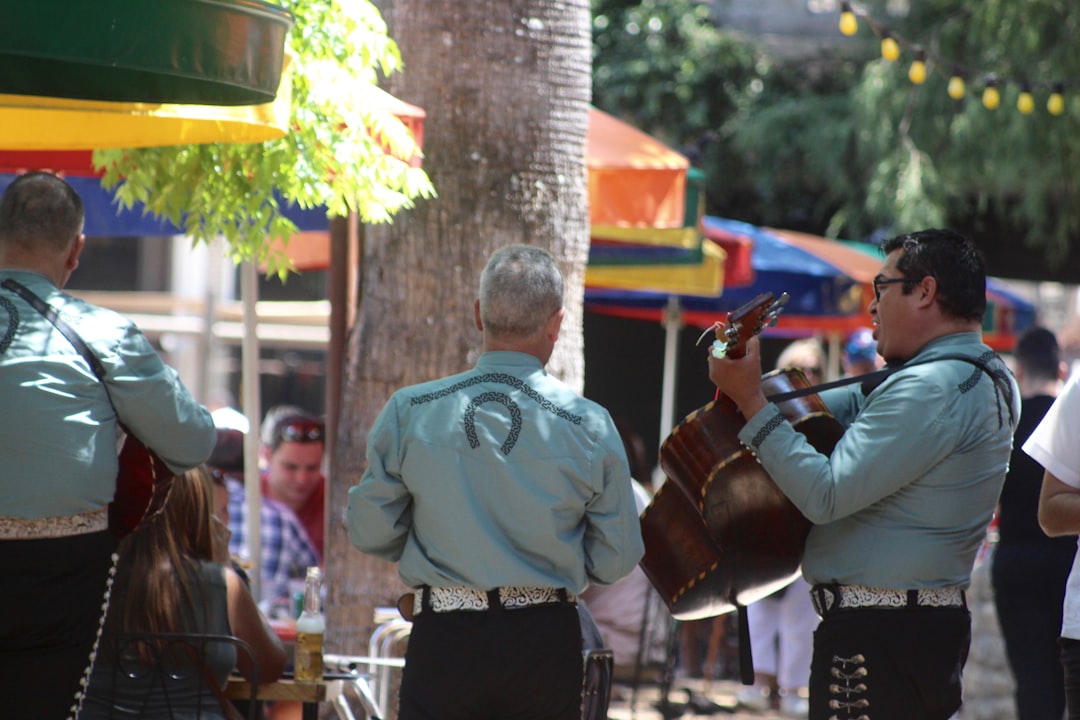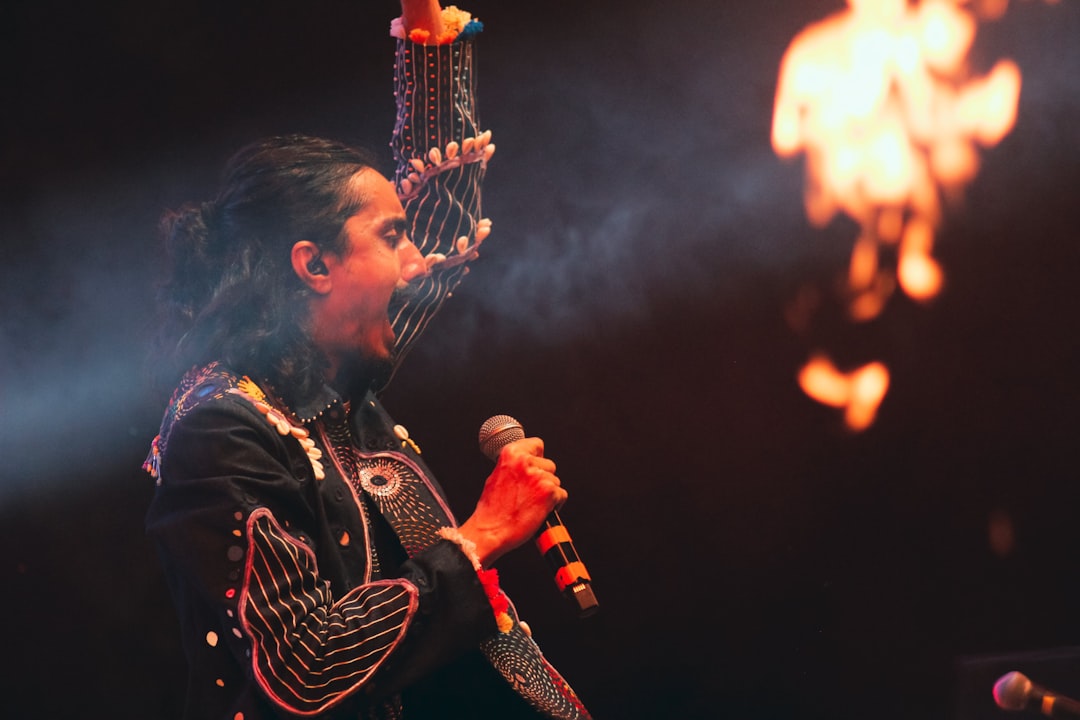
Picture this: you're standing in a circle of people clapping and singing in Portuguese. Someone's playing a berimbau, that single-stringed bow instrument that sounds like nothing else. Two players sweep into the center, trading kicks and sweeps that look more like a conversation than a fight. That's capoeira—and Cherokee City's scene is surprisingly deep for a small North Carolina town.
Whether you've been dreaming of learning those gravity-defying flips or just want a workout that doesn't feel like a workout, here's where to start.
Capoeira Mandinga Cherokee (Downtown)
Mestre Rio opened this spot fifteen years ago, and it shows in the best way. The walls are covered with photos of students past and present, and there's always the smell of coffee brewing in the corner—Brazilian style, black and strong.
This is where you go if you want the real deal. Classes blend Angola's low, ground-hugging movements with Regional's faster, flashier style. But what sets Mandinga apart is the cultural immersion. You'll learn the songs. You'll pick up Portuguese phrases. And if you stick around long enough, you'll probably end up at someone's house for feijoada on a Saturday.
Kids love it here. The youth program gamifies discipline in a way that doesn't feel like nagging. And the annual batizado—that's when students receive their cords and play with visiting mestres—turns the whole studio into a celebration.
Try it if: You want community, not just a workout.
Axé Capoeira Fitness (Riverside District)
Not everyone's here for the cultural immersion. Some people just want to sweat.
Contramestre Leticia gets that. Her classes at Axé move fast. Really fast. Expect capoeira sequences woven into HIIT intervals, core work that sneaks up on you, and playlists that make you forget you're doing burpees.
The mirrored studio and DJ-curated music give it more of a gym vibe than a traditional academy. But don't let that fool you—you're still learning proper technique. Leticia trained under MestreBesouro before moving stateside, and she doesn't cut corners.
They've also got 24/7 on-demand classes for those 6 AM motivation emergencies.
Try it if: You want a serious cardio burn or your schedule is all over the place.
Roda Livre Cultural Center (West Cherokee)
This one's different. Roda Livre runs as a nonprofit collective, which means nobody's getting rich—but everyone's welcome.
Classes operate on a pay-what-you-can model. Sliding scale, no judgment. If you can only throw in five bucks, that's fine. If you're broke this month, come anyway.
The vibe here leans heavily toward Angola style: slower, more strategic, played close to the ground. Monthly rodas happen in the park when weather permits, often drawing drummers and dancers from other traditions. They've even got a free instrument loan program if you've been itching to try the berimbau but can't justify the price tag.
Also worth noting: the vegan feijoada potlucks. Trust me on this one.
Try it if: Money's tight or you prioritize cultural connection over ranking systems.
Before You Sign Up
Drop in first. Every capoeira group has its own personality. Some feel like a martial arts gym; others feel like a family reunion that happens to include cartwheels.
Ask about lineage. Most Cherokee City instructors trained under Brazilian mestres, and that shapes everything from teaching style to how they run a roda.
And don't stress about picking the "right" style. Angola and Regional look different, but plenty of players train both. You're not marrying the first studio you visit.
Most places offer a free intro class. Use it. Find the space where the music hits right and the people make you want to come back. That's your spot.
Bora jogar.