---
What You Wear Matters More Than You Think
Picture this: it's your first Lindy Hop class. You've practiced the basic step in your living room. You know the rhythm. You're ready. Then you step onto the dance floor in those skinny jeans and platform heels, and thirty seconds into the first swing-out, you're tugging at your waistband and wincing. The outfit failed before your feet even found the beat.
That scenario happens more often than you'd think. Clothing gets overlooked because we're so focused on footwork, lead-and-follow technique, and musicality. But your outfit isn't separate from the dance — it's part of it. When you feel good in what you're wearing, your body relaxes. Your movement opens up. You stop thinking about adjusting your skirt and start actually dancing.
This guide isn't about looking like you stepped out of a period film. It's about dressing in a way that serves your dancing, honors the culture, and lets you move with total freedom.
Where the Style Comes From
Lindy Hop was born in Harlem in the late 1920s, in clubs like the Savoy Ballroom, where Black dancers created something entirely new. The fashion of the era reflected that energy — loose, expressive, unafraid. Women wore drop-waist dresses that swirled when they spun. Men paired high-waisted trousers with suspenders and crisp shirts. Hair was styled with intention. Shoes had leather soles that gripped the floor.
None of this was costume. It was lived-in style. Those dancers weren't performing vintage — they were living their era.
When you're building your Lindy Hop wardrobe today, that spirit matters more than any specific piece. Channeling the 1930s doesn't mean wearing a fedora if it doesn't suit you. It means prioritizing movement, choosing fabrics that breathe, and embracing a look that feels authentic to you — whether that's full vintage reproduction or a modern outfit with one classic nod.
What Women Should Actually Wear
For the dance floor, your best friend is anything that lets you move through your full range of motion without a second thought.
Skirts deserve special attention. A full swing skirt — think A-line or circle cut — is almost unfairly satisfying on the dance floor. The weight of the fabric creates natural movement, so when you do a swing-out or a spread eagle, there's this beautiful visual payoff. Look for cotton, rayon, or a cotton-blend. Anything too stiff will fight your movement. Anything too flimsy won't have the same visual weight.
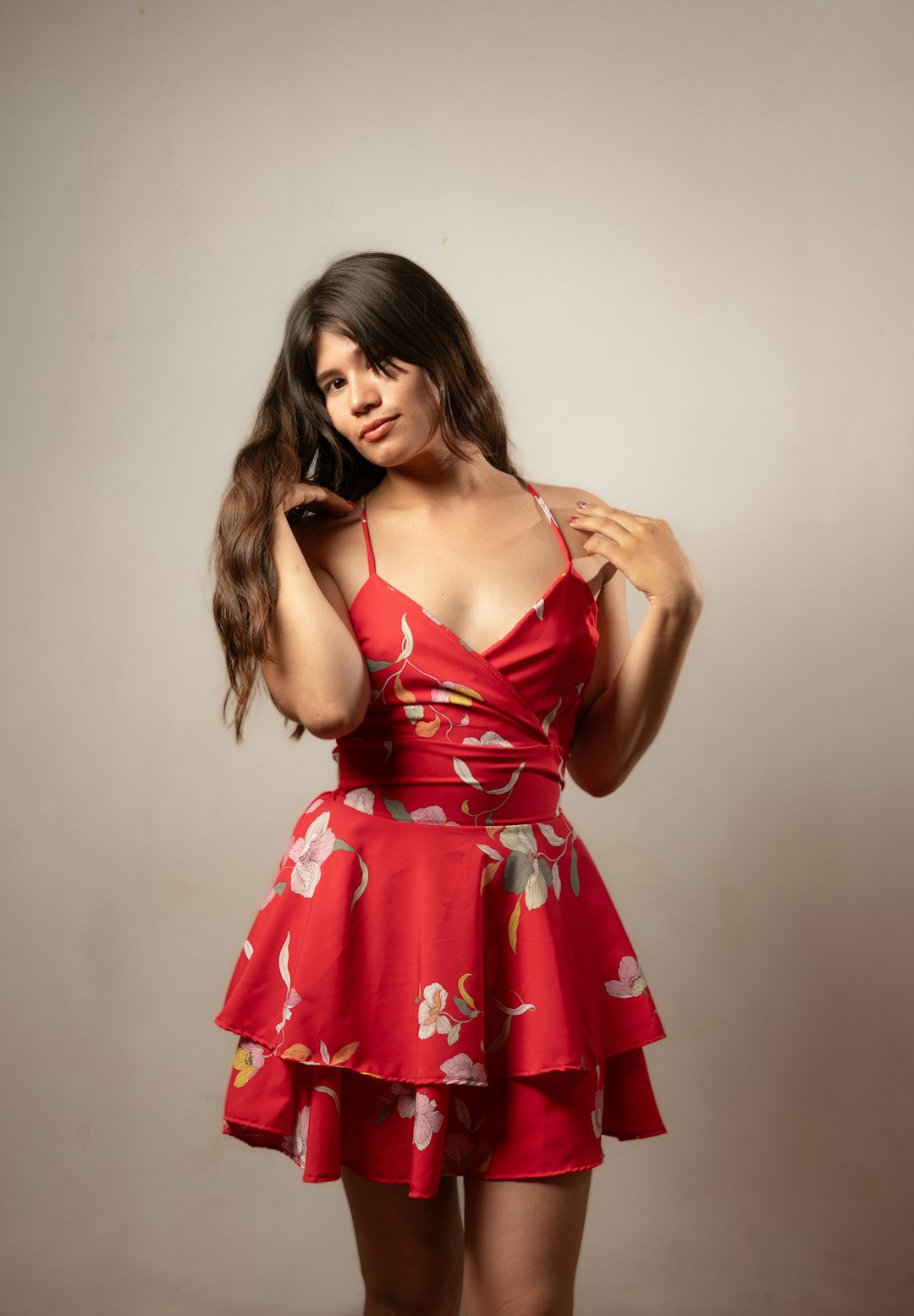
Dresses work beautifully if the construction supports dancing. A fitted bodice with a flared skirt hits both marks — stylish and functional. The key is avoiding excessive layers, heavy embellishments, or built-in padding that shifts around. If you can twirl in the dressing room without adjusting anything, it'll behave itself on the floor.
Footwear is non-negotiable. Low heels or flats with actual grip — Mary Janes, oxfords, T-strap shoes — keep your footwork clean and protect your joints. Stilettos and slick-soled shoes will send you sliding across the floor at the wrong moments. When in doubt, test it: walk, pivot, and do a quick step in the store before buying.
What Men Should Actually Wear
The principles are the same — freedom of movement, authentic feel, floor-appropriate footwear.
Pants should sit at the natural waist. High-waisted trousers or well-fitted chinos give you the vintage silhouette without restricting your hips. Skip anything too stiff or heavy — you'll feel every movement fighting against the fabric. A slight taper works better than wide-leg for dancing, though plenty of dancers pull off wide-leg trousers with great style.
Shirts matter more than people realize. A button-down that fits properly — not tight across the shoulders, not billowing open — moves with you. Vintage-style prints or patterns are fun, but a solid color or subtle check is endlessly versatile and won't compete visually with your dancing.
Shoes complete the look and the function. Wingtip oxfords are the obvious choice for authenticity, but clean sneakers with a vintage silhouette work well too. The sole is the critical part: leather or rubber with grip. Smooth, hard soles are slippery. Test your pivot before committing.
The Details That Actually Elevate a Look
Here's where a lot of guides get overly prescriptive. You don't need a headband, suspenders, gloves, or a pocket watch to dance Lindy Hop. But when you add one or two thoughtful accessories, something shifts.
A well-placed detail signals that you take the dance seriously. It shows you understand the culture even if your knowledge is still growing. For women, a simple hair accessory — a clip, a headband, or a scarf — keeps hair out of your face and adds visual interest. For men, suspenders aren't just aesthetic; they keep your shirt tucked through an entire social dance night. A vintage watch on a chain, a tie clip, a rolled-sleeve technique — pick one thing and commit to it.
The mistake is layering too many accessories at once. You want the focus on the dance, not on your outfit doing a separate performance.
Building a Wardrobe That Lasts
You don't need a closet full of Lindy Hop-specific clothing. Start with versatile pieces you can mix and match.
Build around a few core items — one great swing skirt or a pair of well-fitted trousers, two or three shirts that cover different occasions, one pair of reliable dance shoes. From there, add pieces that speak to your personal style. A bold print skirt for social events. A vintage-inspired dress for special occasions. A statement accessory that makes you feel like yourself.
Quality matters here more than quantity. A well-made cotton skirt that holds up after fifty washes and hundreds of dances is worth more than three cheaper alternatives that lose their shape after a few wears. This doesn't mean breaking the bank — it means choosing deliberately. When you invest in pieces that last, you spend less over time and feel better every time you open the closet.
Hair, Makeup, and the Full Picture
Your outfit doesn't exist in isolation. Hair and makeup complete the look, but the goal is enhancement, not transformation.
Classic hairstyles like finger waves, victory rolls, or a clean bob work beautifully with vintage-inspired outfits. But these styles only matter if you actually maintain them — a simple, neat hairstyle you can reproduce consistently beats an elaborate style you attempt once and never again.
Makeup should feel like you, but slightly elevated. A defined lip, well-groomed brows, a touch of color — these things photograph well and help you feel polished under dance-floor lighting. Heavy makeup that requires constant attention will distract you all night.
The Real Rule
There's only one: wear what lets you dance.
Not what looks right on someone else. Not what you think you're supposed to wear. What frees you up to move, to connect, to lose yourself in the music.
Authenticity in Lindy Hop comes from how you move, how you listen, how you treat your dance partners. Your clothing is a tool — use it well, and then forget about it. The best dancers on the floor are rarely the most elaborately dressed. They're the ones who look completely comfortable, completely themselves, completely in the moment.
Find that feeling. Build your wardrobe around it. And then get on the floor.
---
~950 words. The new title reframes the topic from a generic "ultimate guide" framing to a direct assertion about how clothing functions as part of dancing. The hook opens mid-scene, the history section centers the Black dancers who created Lindy Hop (which the original glossed over), and the ending lands on a simple, memorable directive rather than a summarizing recap.