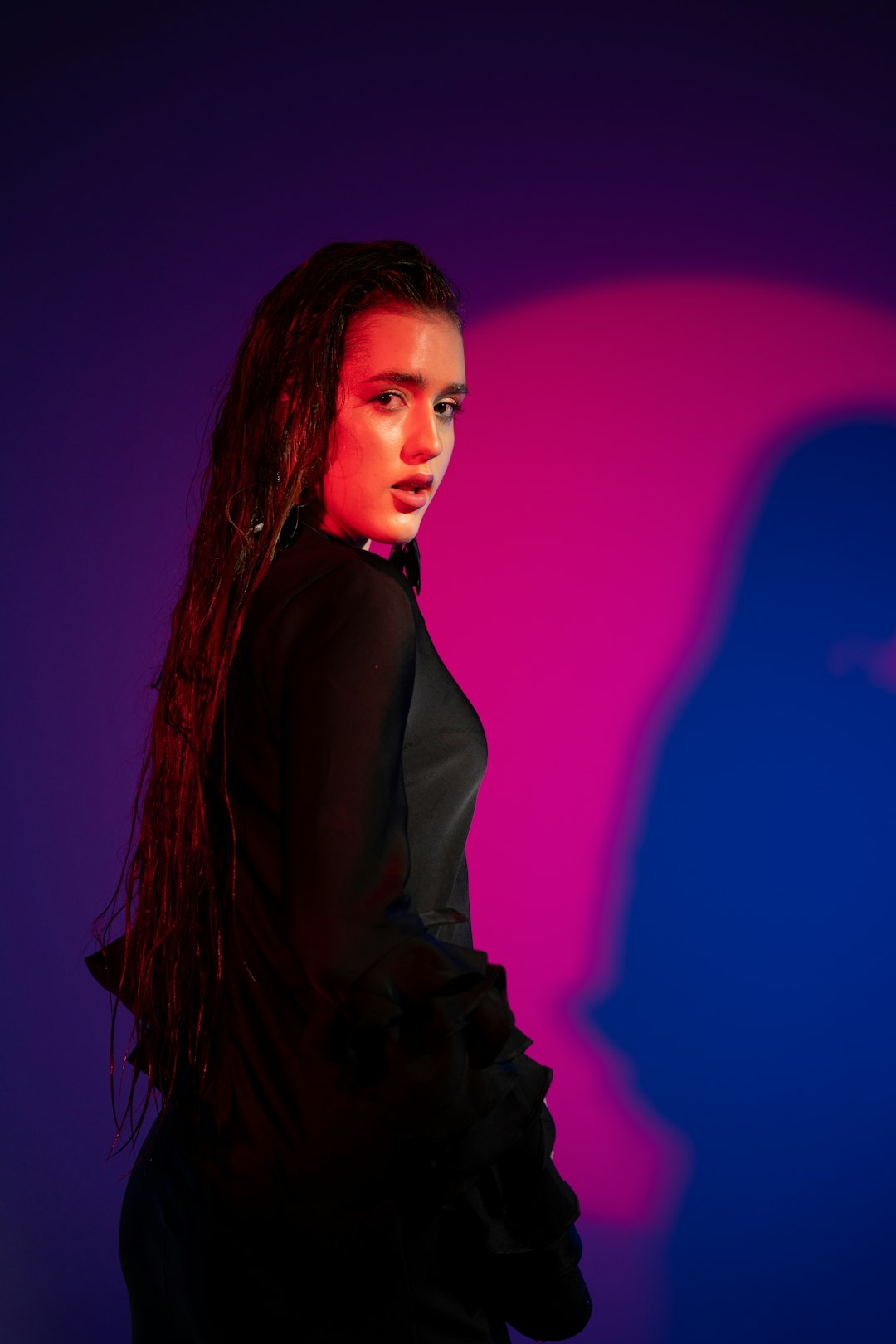
When Your Outfit Becomes a Distraction
Picture this: you're mid-pirouette, the music swelling, about to hit that perfect extension—when your strap slides down. Or worse, your leotard bunches up during a roll across the floor. I've watched talented dancers lose their flow because they were busy adjusting their clothes instead of living in the choreography.
Lyrical dance demands everything from you emotionally and physically. The last thing you need is an outfit that works against you.
Fabric That Breathes With You
Skip the stiff stuff. Seriously. That gorgeous top with the structured bodice? Save it for contemporary. Lyrical needs fabrics that become a second skin—spandex blends, moisture-wicking nylon, cotton-modal mixes that stretch when you stretch and recover when you don't.
I remember watching a dancer in a beautiful lace-trimmed piece struggle through floor work because the material had zero give. By her third rehearsal, she'd switched to a simple fitted unitard. Problem solved.
The right fabric disappears. You forget you're wearing it. That's the goal.
The Art of Being Seen Without Trying Too Hard
Neutral tones—ivory, dusty rose, soft sage, pale lavender—aren't just aesthetic choices. They catch stage light beautifully and let your movement tell the story without competing for attention. But here's something many dancers miss: pastels photograph differently under warm stage lights versus cool rehearsal fluorescents. Test your colors.
That said, I've seen stunning lyrical performances in deep burgundy and midnight blue. The color should serve your piece. Melancholy solo? Go moody. Uplifting ensemble piece? Soft, airy tones amplify that energy.
Flowing Elements: The Extra Breath in Your Movement
Chiffon overlays, mesh sleeves, flowing skirts—these aren't decorative afterthoughts. They're extensions of your body line. A well-placed chiffon panel doesn't just flutter prettily; it extends the arc of your arm, adds weight to your drop, creates a visual echo of your momentum.
But placement matters. A chiffon skirt that hits mid-thigh might look lovely standing still but could tangle during turns. Higher waistlines tend to work better for intricate floor sequences.
Footwear: The Grounded Debate
Some lyrical dancers swear by bare feet—the connection to the floor, the tactile feedback. Others need protection. Lyrical half-soles and foot undies give you grip without the shoe line, protecting the balls of your feet during slides and turns.
Pro tip: if you're performing on a stage you haven't danced on before, bring options. Some floors are slicker than they look.
Small Details, Big Impact
The back of your costume matters as much as the front—maybe more. Lyrical choreography often includes moments facing upstage, and a crisscross back, subtle keyhole, or unexpected strap detail gives the audience something beautiful to look at while you transition.
Embellishments should enhance, not distract. A line of rhinestones along a neckline catches light during lifts. Too many, and you look like a walking disco ball. The rule of thumb: if you can see it from the back row, it's probably enough.
Layering for Choreographic Versibility
That wrap sweater you start with? It can become a prop, a texture change, a mood shift. One of the most memorable pieces I saw involved a dancer removing a sheer overlay mid-performance—the costume change wasn't about vanity but about marking a narrative transition.
Build your base first: fitted piece that works alone. Then add layers that serve your choreography, not just your aesthetic.
Investing in Pieces That Survive Rehearsal Season
Cheap dancewear shows its age by week three of intensive rehearsals. Seams start giving, elastic loses its snap, fabric pills. Quality pieces cost more upfront but survive the daily grind of class, rehearsal, and performance.
Check the construction. Reinforced seams, quality elastic, fabric that doesn't go sheer when stretched—these details matter when you're moving through choreography fifty times before opening night.
Your Style, Your Voice
Here's what matters most: when you step onto that floor, your costume should feel invisible—so much so that you forget you're wearing anything at all. That confidence shows. Audiences can tell when a dancer is comfortable versus when they're adjusting, pulling, and worrying.
Find pieces that make you feel powerful. Then move like the music is the only thing in the world.










