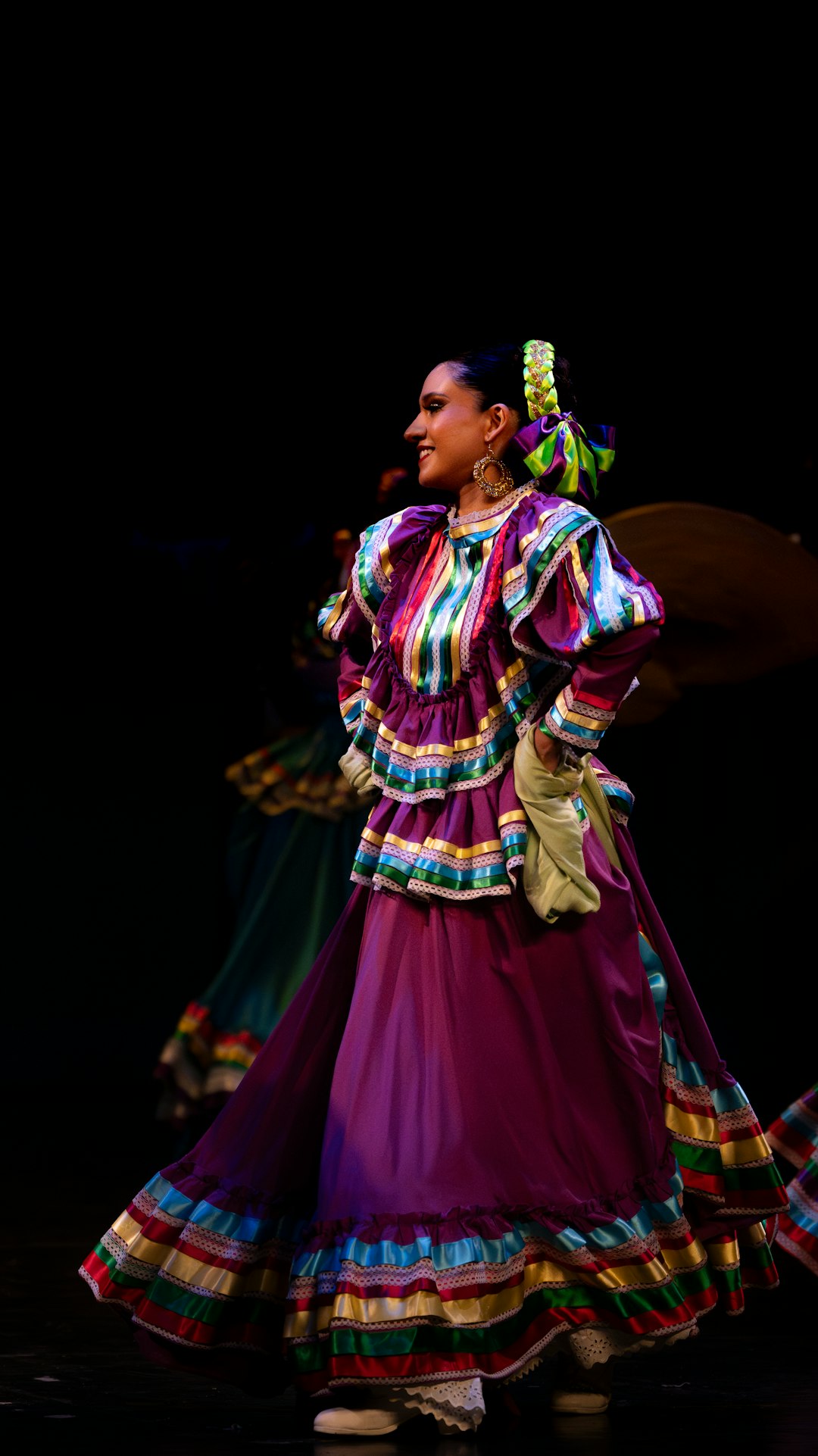
I once watched a woman walk onto a milonga floor in brand-new stilettos. Gorgeous shoes. Red satin, four-inch heels, the kind you'd see in a magazine. Within two songs, she was limping back to her seat, her partner trailing behind her with that awkward "should I help or pretend I didn't notice" look.
Don't be that woman.
Tango shoes aren't regular shoes with a dance label slapped on them. They're engineered for a specific kind of movement — the close embrace, the sudden stop, the slow drag of a foot across the floor. And picking the right pair? It'll change how you dance.
Start With the Sole (Seriously)
Here's the thing most beginners overlook: the sole is everything. You need shoes that let you pivot without wrenching your knee, but still give you enough traction to stop on a dime.
Leather soles are the gold standard. They offer that sweet spot between grip and glide — enough friction to control your movement, enough slip to let you pivot cleanly. Suede works too, especially if your local milonga has a sticky floor. Rubber? Leave those at the door. They'll catch and twist your ankles faster than you can say "ochos."
Heels: Higher Isn't Always Better
There's a myth floating around that real tango dancers only wear skyscraper heels. Rubbish.
Yes, traditional tango heels run between 2.5 and 4 inches. And yes, they shift your weight forward onto the balls of your feet, which is exactly where tango wants you. But if you're wobbling like a newborn giraffe, that height isn't doing you any favors.
Start where you feel stable. Some of the best dancers I know swear by 3-inch heels — tall enough to get the posture, low enough to actually move. Your ego doesn't need four inches. Your ankles will thank you.
The Comfort Conversation
Tango sessions last hours. Not twenty minutes, not forty-five — hours. Your shoes need to survive that.
Good leather molds to your foot over time, almost like it's learning your shape. A cushioned insole makes a massive difference during those marathon milongas where you've been dancing since midnight and it's somehow 3 AM. Look for shoes with a padded footbed and a secure strap — you want your foot locked in place, not sliding around like it's on a slip-n-slide.
And here's a pro tip nobody tells you: shop for tango shoes in the late afternoon. Your feet swell throughout the day, and a shoe that fits perfectly at 10 AM might feel like a vise by 10 PM.
Fit Is Non-Negotiable
I've seen dancers squeeze into shoes half a size too small because "they looked amazing." They did look amazing. They also looked painful, and pain shows up in your dancing.
Your tango shoe should feel snug — firm around the heel and midfoot, with just enough room in the toe box to wiggle. No pinching, no slipping, no gaps. If the shoe feels tight in the store, it won't magically loosen up on the dance floor. Walk away and try another pair.
Yeah, Looks Matter Too
Let's be honest — you want to look good out there. Tango is a visual art as much as a physical one, and your shoes are part of the performance.
Classic black goes with everything. Deep burgundy screams confidence. Metallic gold? Why not. Pick a color that makes you feel something when you look down. Because when you feel good in your shoes, you dance differently. There's a swagger to it. Your partner notices. The whole room notices.
Just make sure the pretty pair also passes the comfort test. Beauty without function is just expensive torture.
The right tango shoes don't just protect your feet — they become part of how you move, how you feel, how you connect. So try on a dozen pairs. Walk around the store. Pivot, shift your weight, do a quick rock step in the aisle. The perfect pair won't just fit your foot. It'll fit your dance.