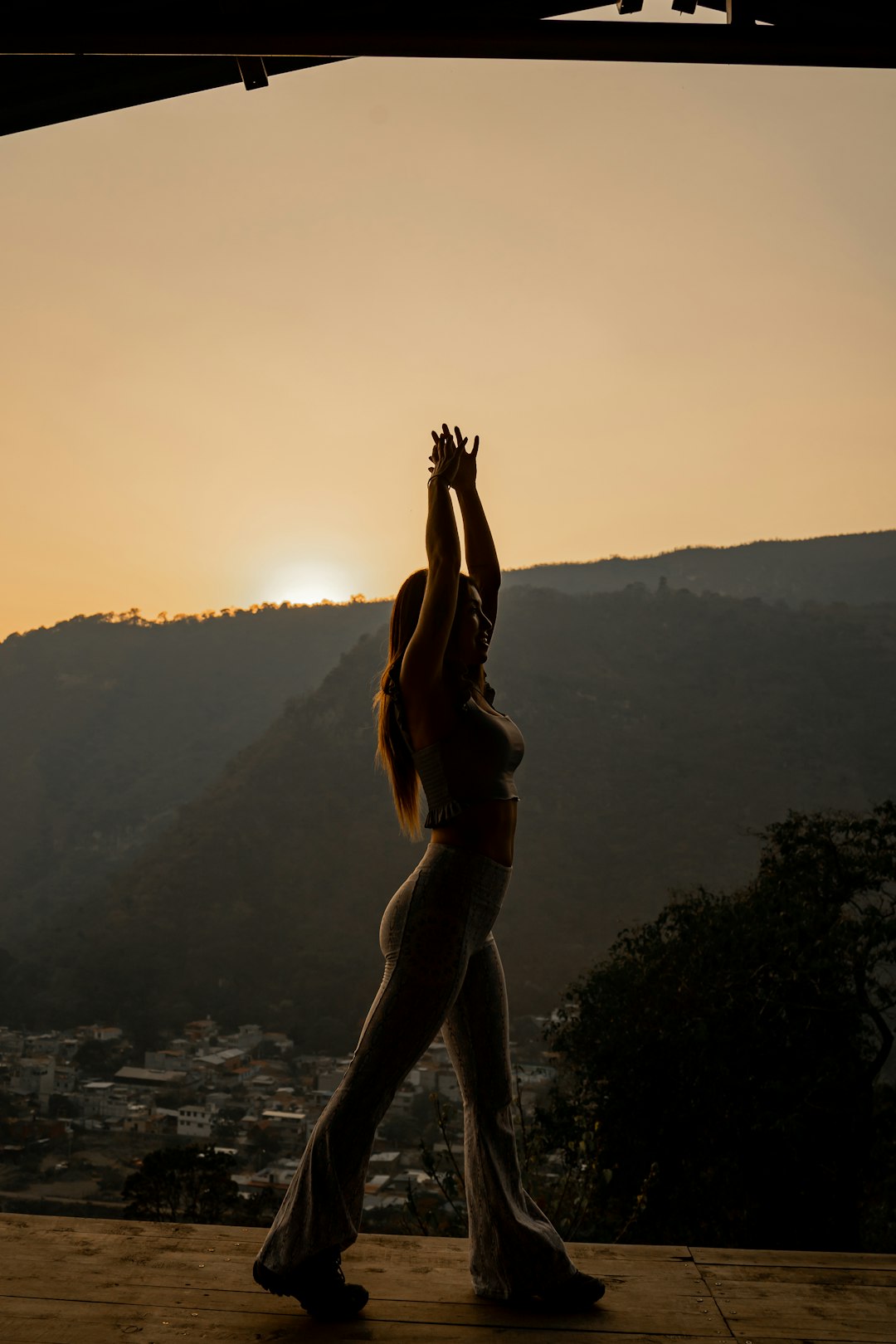
Welcome to the world of Zumba, where fitness meets fun. If you're new to this dance workout, you probably have questions: Do I need rhythm? What should I wear? Will everyone else know the steps? This guide answers all of that—and more—so you can walk into your first class with confidence.
What Is Zumba? (And Where It Came From)
Zumba began almost by accident. In the 1990s, Colombian aerobics instructor Alberto "Beto" Pérez forgot his traditional workout tape and improvised a class using the salsa and merengue cassettes in his backpack. That happy accident has since exploded into a global fitness phenomenon practiced in over 180 countries.
At its core, Zumba is a cardio dance workout built on Latin and international rhythms—think salsa, cumbia, reggaeton, and merengue. Each song follows a fitness formula: warm-up, peak intensity, and cool-down. The result? A full-body workout that feels more like a party than exercise.
Why Zumba Works
Zumba is more than a workout; it's a community. Here's why millions of people stick with it:
- Fun Factor: The infectious beats make it easy to forget you're exercising.
- Social Environment: Meet new people in a supportive, judgment-free atmosphere.
- Variety: Different music and dance styles mean no two classes feel the same.
- Proven Fitness Benefits: A 2016 study published in the Journal of Sports Science & Medicine found that Zumba significantly improved aerobic capacity in previously sedentary adults. Depending on intensity, you can burn 300–600 calories in a single hour-long class.
Finding Your Fit: Zumba Class Formats
Not all Zumba classes are identical. If you're browsing schedules and feeling confused by the names, here's a quick breakdown:
| Format | Best For | What to Expect |
|---|---|---|
| Zumba Fitness | Most beginners | The classic cardio dance party |
| Zumba Gold | Older adults or low-impact seekers | Modified intensity and simpler choreography |
| Zumba Toning | Those wanting strength elements | Lightweight maraca-like sticks (Toning Sticks) added for resistance |
| Aqua Zumba | Joint-friendly exercise | Dance moves performed in a pool |
| STRONG Nation | High-intensity lovers | Music-driven HIIT with bodyweight moves (not technically a dance class) |
If you're just starting out, Zumba Fitness or Zumba Gold are your safest bets.
What to Expect in Your First Class
Here's how a typical hour unfolds—and how to prepare:
What to Wear
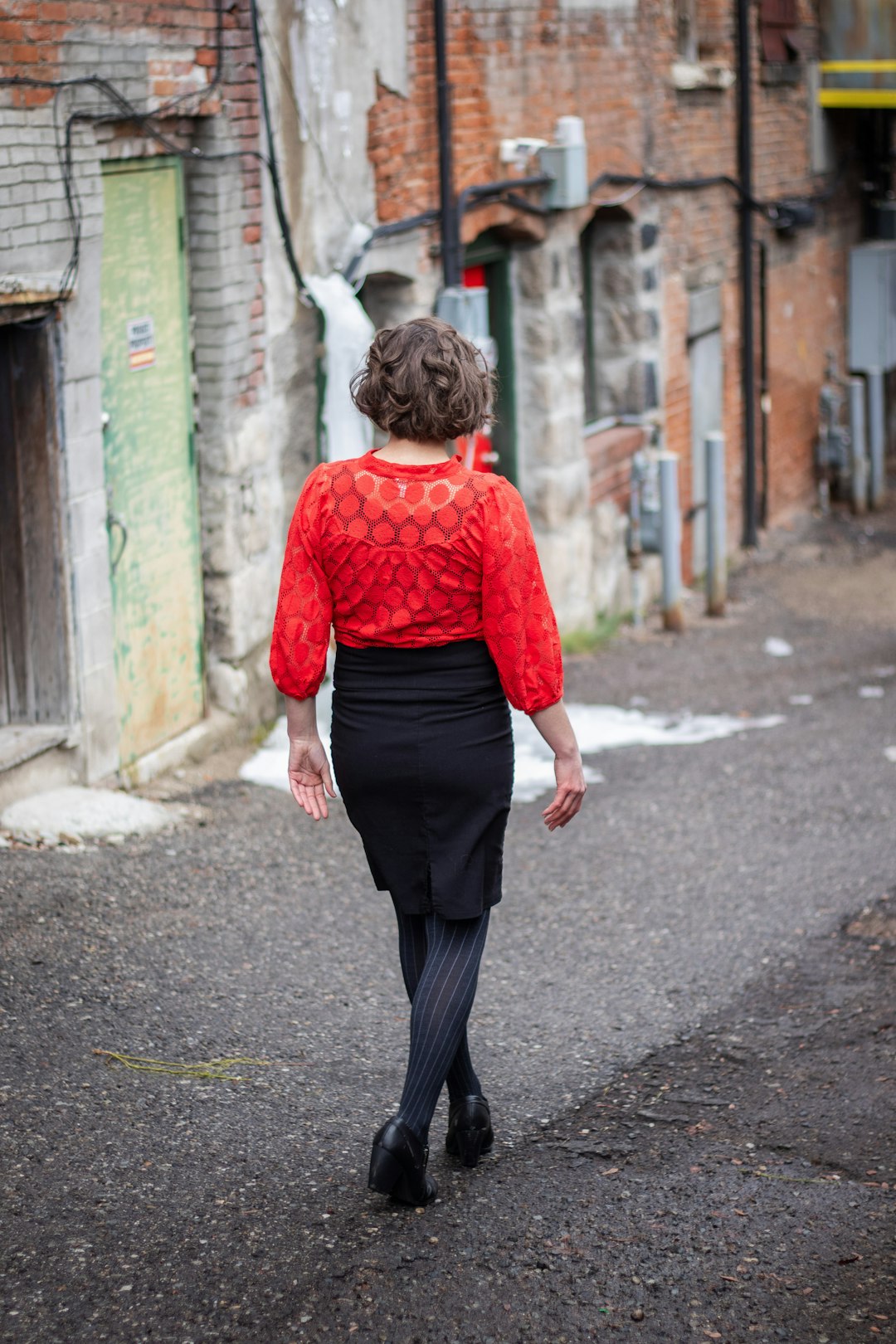
Choose breathable, moisture-wicking clothing you can move in freely. For footwear, pick cross-trainers or dance sneakers with minimal tread. Running shoes are designed for forward motion and can grip the floor during Zumba's frequent side-to-side and pivoting moves, increasing your risk of knee or ankle strain.
What to Bring
- A water bottle (you'll sweat more than you expect)
- A small towel
- An open mind
Class Structure
- Warm-Up (5–10 minutes): Gentle rhythmic movements like shoulder rolls, side steps, and hip circles to raise your heart rate gradually.
- Main Set (40–45 minutes): A series of songs, each built around one or two repeated dance sequences. Instructors use verbal cues and hand signals rather than stopping to teach step-by-step.
- Cool-Down (5–10 minutes): Slower music, deep breathing, and stretching to lower your heart rate and reduce soreness.
Beginner Tips: How to Survive (and Love) Your First Class
Feeling nervous is completely normal. These tips will help:
- Don't worry about mistakes. No one is watching you. Instructors often say, "If you're moving, you're doing it right."
- Start with your feet, add arms later. Focus on the lower-body rhythm first; upper-body styling can come once you're comfortable.
- Stand where you can see the instructor. The middle or slightly toward the back corners usually offers the best sightlines.
- Listen to your body. Take breaks whenever you need them. March in place until you're ready to jump back in.
- Show up consistently. Stamina and coordination build fast—most beginners feel noticeably more confident after 3–5 classes.
Frequently Asked Questions
Do I need dance experience? No. Zumba is designed for non-dancers. The choreography is repetitive and built for follow-along learning.
Will I be the only beginner? Probably not. Zumba classes attract people of all ages, sizes, and fitness levels. Many attendees are relative newcomers.
**What if