Most people in a Zumba class are not dancers. They're teachers, accountants, and parents who showed up because the gym felt like a chore. What keeps them returning is the same thing that makes Zumba effective: the workout hides inside the party.
Created in the 1990s by Colombian fitness instructor Alberto "Beto" Pérez, Zumba pairs Latin and international dance rhythms with interval-style cardio movements. The result is a fitness format that feels more like a social event than structured exercise—and that psychological shift matters more than most people realize.
What to Expect in Your First Class
A standard Zumba session runs 45 to 60 minutes and requires no prior dance experience. Instructors lead participants through choreographed routines set to salsa, merengue, reggaeton, and cumbia tracks. You'll move forward and back, side to side, and through diagonal patterns that engage your legs, core, and arms.
Wear supportive cross-training shoes with minimal tread (too much grip can strain your knees during pivoting moves). Bring water. Expect to feel slightly lost for the first 10 to 15 minutes. Most instructors design routines so that songs repeat for several weeks, meaning muscle memory kicks in faster than you'd expect.
The Physical Benefits: What's Backed by Evidence
Zumba functions as moderate-to-vigorous aerobic exercise, with measurable effects on several markers of fitness:
- Cardiovascular endurance: A 2016 study published in the Journal of Sports Science and Medicine found that sedentary women who participated in Zumba twice weekly for 12 weeks showed significant improvements in maximal oxygen uptake (VO₂ max), a key indicator of cardiovascular fitness.
- Calorie expenditure: According to estimates from the American Council on Exercise, a high-intensity Zumba session can burn between 300 and 600 calories per hour, depending on body weight and effort level. Combined with balanced nutrition, it can support weight management goals.
- Coordination and agility: The varied directional changes and rhythmic patterns challenge proprioception—the body's awareness of its position in space—which tends to decline with age and sedentary behavior.
The Mental Health Benefits: Why the "Fun" Factor Works
The psychological appeal of Zumba is not incidental. It is central to why people stick with it.
- Stress reduction: Rhythmic movement to music has been shown to lower cortisol levels and activate the parasympathetic nervous system. In practical terms: you leave class feeling measurably less tense than when you arrived.
- Adherence through enjoyment: "The mental health benefits of rhythmic movement are well-documented," says Dr. Leah Lagos, a clinical and sports psychologist. "When exercise feels like play rather than punishment, adherence rates increase dramatically—and consistency is what drives results."
- Confidence and self-efficacy: Mastering even a simplified choreography creates what psychologists call "mastery experiences," small wins that accumulate into improved self-esteem and body image over time.
- Social connection: The group format fosters low-pressure interaction. For people who experience isolation or gym intimidation, this environment can provide meaningful community—though individual needs vary, and not everyone requires social exercise to maintain mental wellness.
Why Zumba Still Matters in 2024
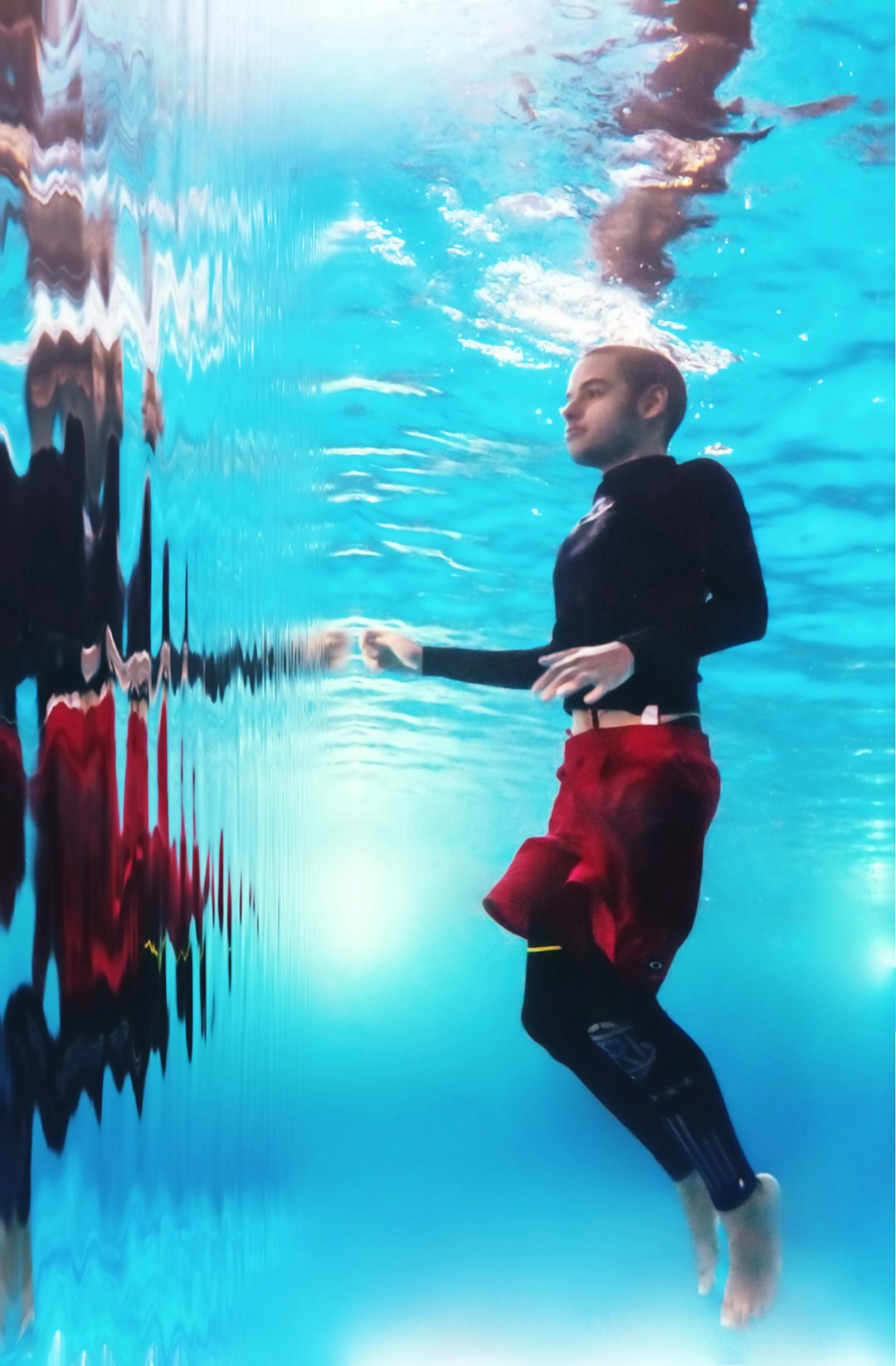
Zumba has outlasted countless fitness trends not because it reinvented itself dramatically, but because it expanded accessibly. Specialized formats now include Zumba Gold (modified for older adults), Aqua Zumba (low-impact, pool-based), and Zumba Kids. These adaptations have helped the program persist post-pandemic, particularly among populations who find traditional gyms unwelcoming or impractical.
The format also translates reasonably well to online platforms. While virtual reality Zumba remains niche, prerecorded classes and livestreamed sessions have made the workout available to people in rural areas, those with unpredictable schedules, and anyone who prefers to learn without an audience.
How to Make Zumba Work for You
If you're new to exercise or returning after a break, aim for two to three sessions per week. Consistency matters more than intensity. Choose classes led by licensed Zumba instructors—certification ensures that choreography is designed with movement safety in mind, not simply improvised to a playlist.
Listen to your body during high-impact segments. Most instructors offer low-impact modifications; use them. The goal is to finish the class energized, not depleted.
Final Thought
Zumba will not transform you overnight. No workout does. But it offers something rarer than extreme results: a sustainable way to move your body that you might actually look forward to. For many people, that distinction is the difference between quitting and staying active.
Find a class. Show up. Expect to feel slightly ridiculous for the first 15 minutes. Then expect to come back.