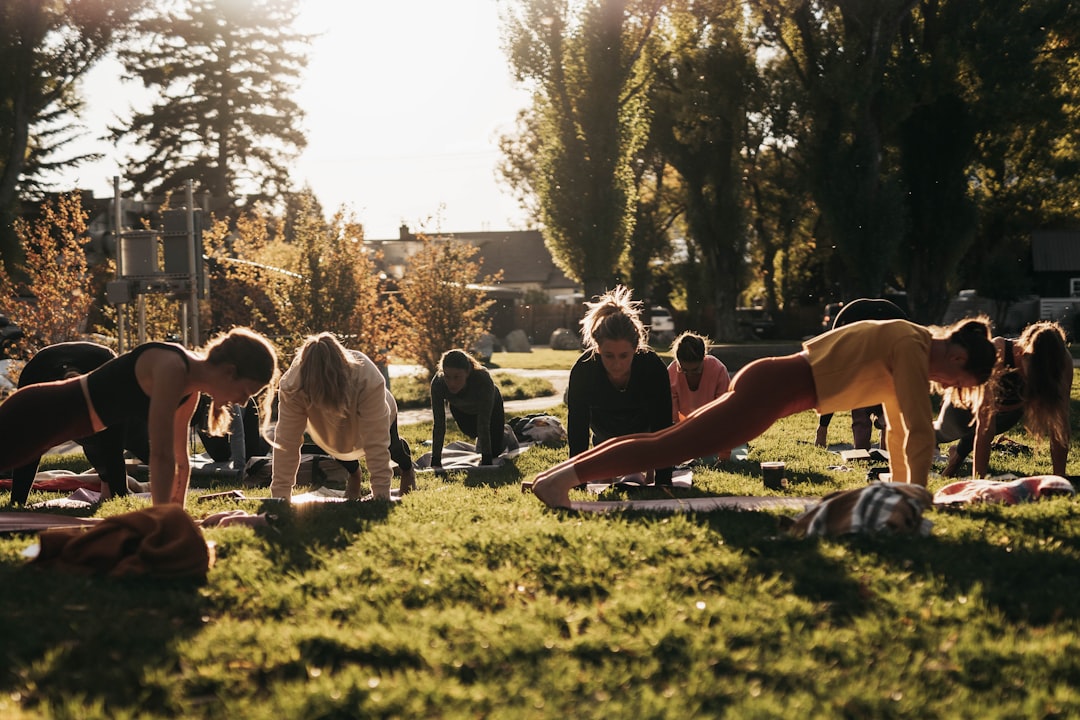
When Zumba Fitness LLC quietly retired its pandemic-era "Zumba at Home" standalone platform in March 2024, the move signaled something unexpected: a deliberate retreat from the virtual-first strategy that had defined the previous four years. Instead, the company doubled down on what executives call "phygital" integration—blending physical studio presence with digital tools that enhance rather than replace in-person community. Twenty-two years after Colombian aerobics instructor Alberto "Beto" Pérez accidentally launched the brand by forgetting his traditional workout tape, Zumba is navigating an identity crisis familiar to legacy fitness brands: proving relevance in an era dominated by Peloton, Apple Fitness+, and AI-powered personalization.
The Virtual Class Experiment Ends—Sort Of
The "ongoing pandemic" framing that dominated fitness writing through 2022 has given way to a more complicated reality. Zumba's 2024 instructor survey, released in June, reveals that 67% of licensed teachers now operate hybrid models—down from the 89% virtual-only peak of 2021, but far above the 12% pre-pandemic baseline. What changed isn't the technology but the expectation: participants want seamless movement between living room and studio without sacrificing either experience.
Miami-based instructor Carla Mendoza, who has taught Zumba since 2014, describes the shift in practical terms. "In 2021, I was desperate to get people on Zoom. Now I'm desperate to get them off—but they want the app for travel, for busy weeks, for when they can't find parking." Her solution, increasingly common among the 100,000+ licensed instructors worldwide, involves proprietary streaming setups rather than corporate platforms. Mendoza invested $4,200 in 2023 on professional lighting, multi-camera angles, and a subscription to PTZOptics—equipment choices that would have seemed extravagant five years ago but now represent table stakes for competitive independent operators.
The corporate response arrived in September: Zumba launched "Zumba Bridge," a white-label technology package allowing instructors to integrate their own streaming directly with class management, payment processing, and music licensing. Early adoption data shows 12,000 instructors enrolled within eight weeks, suggesting demand for infrastructure that respects instructor autonomy while reducing technical friction.
Wearables, AI, and the Gamification Ceiling
The breathless 2018–2020 cycle of fitness wearable integration has matured into something more subtle. Zumba's 2024 partnership with Garmin—announced at CES in January—exemplifies this evolution. Rather than displaying heart rate zones on-screen during classes (a feature Planet Fitness and Orangetheory popularized years ago), the collaboration focuses on post-class recovery metrics and longitudinal trend analysis. Participants receive weekly "movement pattern" reports comparing their Zuma sessions against recommended cardiovascular training distributions, with suggestions for class type selection based on training load balance.
More intriguing is the experimental "Zumba Choreo AI" tool currently in beta with 500 instructors. Developed with movement analysis startup Physmodo, the system uses computer vision to assess participant synchronization rates during class, providing instructors with real-time data on which combinations land and which lose the room. "It's not about shaming anyone," emphasizes Dr. Rebecca Torres, Zumba's Director of Education Innovation. "It's about giving teachers the feedback they'd get from a master class observer, but continuously."
Whether this represents meaningful innovation or solution-in-search-of-problem territory remains debated. Peloton's 2023 AI form-correction feature, while technically impressive, showed minimal impact on subscriber retention in subsequent quarters. Zumba's bet appears to be on instructor empowerment rather than direct-to-consumer algorithmic coaching—a distinction that preserves the brand's communal identity while acknowledging competitive pressure.
Beyond "Modifications": Structural Inclusion in 2024
The article's original framing of inclusivity—"modifications and adaptations for those with physical limitations"—reflects language the disability fitness community has largely moved past. Zumba's 2024 programming shifts attempt to match this evolution, with three specific launches worth examining:
Zumba Seated Pro, introduced in April, represents the first corporate-backed certification specifically for wheelchair and limited-mobility formats. Unlike previous "seated Zumba" offerings developed ad hoc by individual instructors, the program includes standardized choreography libraries, music licensing for adapted tempos, and marketing materials that position seated classes as primary offerings rather than afterthoughts. Fourteen months post-launch, 2,400 instructors hold the certification—modest numbers suggesting either deliberate quality control or slow market penetration.
Sensory-Friendly Zumba, developed in partnership with the Autism Society of America, addresses a gap rarely acknowledged in mainstream fitness: the overwhelming sensory environment of typical dance classes. Certified locations modify lighting (no strobes, reduced mirror reliance), sound (capped decibel levels, advance warning of music changes), and spatial organization (predictable movement patterns