You Know the Basic Step. Now What?
You've been doing the side-to-side thing for a few months now. Your feet know where to go. But something's off — you watch other dancers at socials and they just look different. There's a looseness in their shoulders, a weight in their hips, a conversation happening between their body and the music that you're not quite part of yet.
That gap between "I know the steps" and "I can actually dance" is where things get interesting. And honestly, it's where most people either level up or stall out forever. Here's what separates those two groups.
Stop Practicing Steps. Start Practicing Sound.
The biggest mistake intermediate dancers make is treating Cumbia like a sequence of movements. It's not. It's a response to music.
Put on a classic cumbia track — something by Los Ángeles Azules or Grupo Niche — and just listen. Don't dance. Count the beats. Notice how the accordion pulls you forward while the drums hold you back. Find the güiro scraping away in the background. That tension between instruments is exactly what your body should be reflecting.
Once you start hearing layers in the music, your dancing changes overnight. You stop moving at the song and start moving with it.
Your Hips Are Probably Too Tame
Here's a thing nobody tells beginners: the hip motion in Cumbia isn't optional decoration. It's the whole point.
When Colombians dance Cumbia, the hips lead. The feet follow. If you've been shuffling side-to-side with a stiff pelvis, you're doing it backwards. Try this: stand in place, lock your upper body almost completely still, and let your hips trace slow figure-eights in the air. Feel ridiculous? Good. That means you're doing it right.
The secret is control, not size. You don't need to gyrate like you're auditioning for a music video. Small, deliberate circles that flow from one beat to the next — that's what creates that effortless look you've been envying on the dance floor.
Turn Practice Is Where Confidence Lives
Spins are where a lot of intermediate dancers freeze up. The fear of losing balance, looking clumsy, or bumping into someone is real. But here's the truth: you'll never get comfortable with turns by avoiding them.
Start stupidly slow. An underarm turn at half speed. Focus on one thing only — picking a spot on the wall and snapping your eyes back to it every time you rotate. That's called spotting, and it's the difference between a controlled spin and a dizzy stumble. Once your neck muscles learn that pattern, your body follows.
Then try adding a simple vuelta. One full rotation. Don't worry about making it pretty. Just complete it without losing your footing. Pretty comes later.
Your Arms Are Betraying You
Watch yourself in a mirror while you dance. Now look at your arms. Are they hanging there like dead fish? Clenched at your sides? Waving around randomly?
Arms are the most neglected part of Cumbia styling, and they're the quickest way to tell an intermediate dancer from someone who's still faking it. The fix is simple: let them breathe. When your right foot steps, your left arm floats gently forward. When your body turns, your arms follow the curve — not leading, not dragging, just riding the movement.
Think of your arms like seaweed in a current. Soft, responsive, always in motion but never rigid. It sounds abstract until you try it, and then suddenly your whole silhouette changes on the dance floor.
Partner Work Changes Everything
Solo Cumbia is fun. Partner Cumbia is a whole different language.
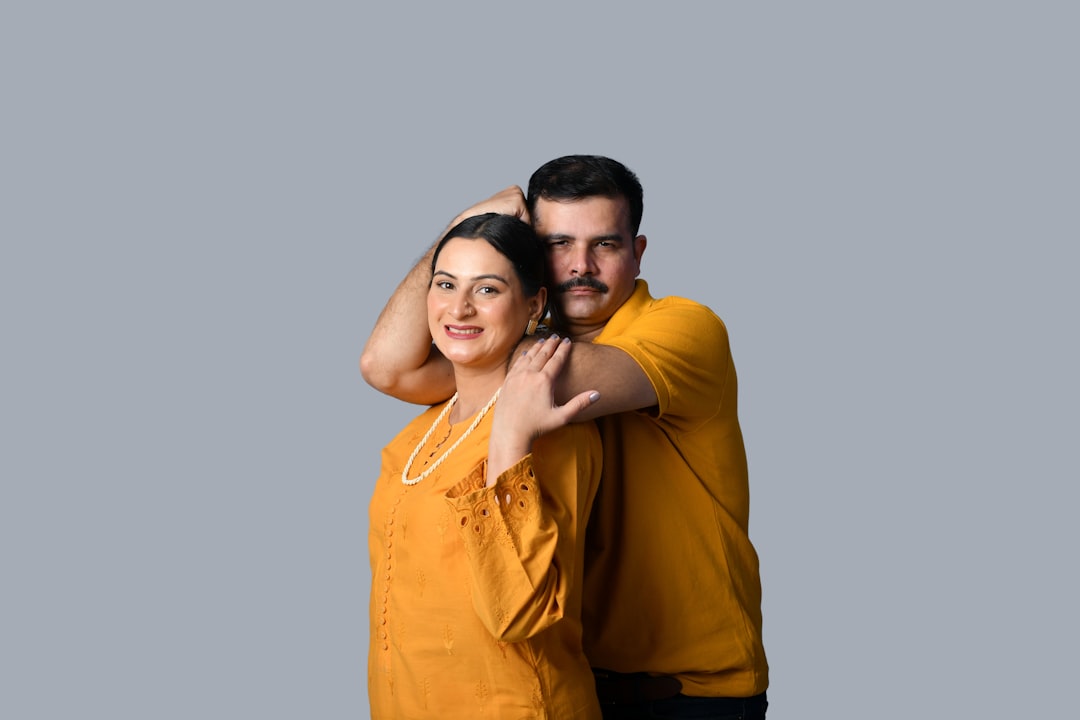
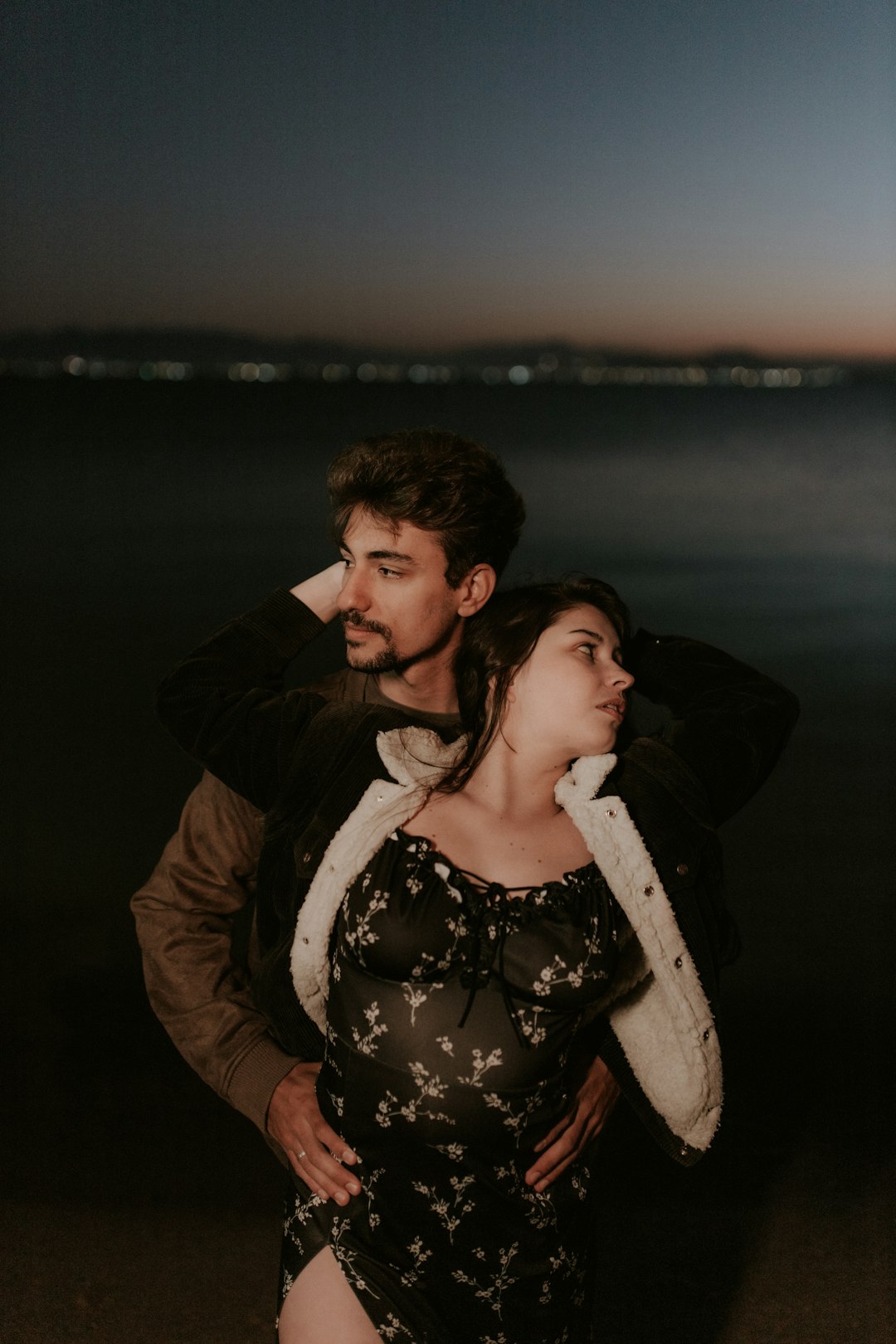
The frame — that invisible architecture between you and your partner — needs to feel like a firm handshake, not a dead fish and not a vise grip. You want enough tension that your partner can feel your intentions through your hands and shoulders, but not so much that you're muscling them around.
Leading isn't about forcing. It's about suggesting. A slight rotation of your wrist signals a turn. A gentle pressure shift says "let's change direction." When you get this right, it feels like telepathy. When you get it wrong, it feels like a wrestling match. Practice with someone patient, and don't be afraid to talk through what's working and what isn't.
Dance With Strangers
Classes are great for technique. Social dances are where technique becomes art.
Every partner you dance with teaches you something different. Some will be beginners who force you to simplify and clarify your leads. Others will be advanced dancers who push you to keep up. Both experiences are gold.
Find local Cumbia nights, Latin socials, or even outdoor events. The first few times will be nerve-wracking. You'll step on toes, miss beats, forget everything you practiced. That's normal. The floor is where theory stops and instinct begins.
Film Yourself (Even Though You Don't Want To)
Nobody likes watching themselves dance. It's cringe-inducing and uncomfortable. Do it anyway.
Prop up your phone during practice. Watch it back later with the sound off — just focus on your body. You'll catch things no mirror shows you in real time: a shoulder that hikes up when you turn, feet that never quite leave the ground, a face scrunched in concentration instead of enjoyment.
This isn't about self-criticism. It's about self-awareness. The dancers who improve fastest are the ones who can see themselves clearly and adjust.
Try Different Flavors
Colombian Cumbia moves differently than Mexican Cumbia, which moves differently than Argentinian Cumbia. Each tradition carries its own rhythm, its own attitude, its own history.
Dipping into multiple styles doesn't just expand your vocabulary — it deepens your understanding of why Cumbia moves the way it does. You'll notice Colombian styles keep the feet low and the hips high. Mexican Cumbia often adds more bounce and playfulness. These differences aren't just academic. They'll show up in your body the next time you dance.
The Part Nobody Wants to Hear
Consistency beats talent. Every single time.
You don't need to practice two hours a day. Twenty minutes of focused, intentional movement three or four times a week will outperform a monthly marathon session. The muscle memory that makes Cumbia look natural doesn't come from one heroic effort. It comes from showing up, again and again, until your body stops thinking and starts feeling.
Put on the music. Move your hips. Let the rest follow.